

Travel rewards programs have been around for decades, yet most people still use them poorly. Airlines advertise free flights, banks promote premium cards with glossy airport lounge imagery, and hotel groups encourage customers to collect points through every possible purchase. The assumption is that the system is simple: spend money, collect points, and travel for free later.
In reality, the people who extract serious value from rewards programs approach them very differently. They pay attention to timing, redemption value, airline partnerships, and the structure behind loyalty schemes themselves. A points balance can either cover a business-class international flight or barely offset a few nights in an average hotel, depending on how those points are used.
That difference matters more now because travel costs have risen sharply in recent years. Premium cabins, luxury hotels, and even standard international flights have become significantly more expensive in many markets. As a result, rewards programs are no longer just lifestyle perks for frequent travellers.
For some consumers, they have become a practical way to reduce the cost of high-value travel that would otherwise feel difficult to justify.
Why Sign-Up Bonuses Usually Matter More Than Spending
One of the biggest misunderstandings around travel rewards is the idea that large point balances are built slowly through everyday purchases. While regular spending contributes, the fastest way to accumulate meaningful rewards usually comes from sign-up bonuses.
Banks compete aggressively for premium customers, particularly in the travel card market. As a result, introductory offers can become surprisingly generous during promotional periods. A single sign-up bonus can sometimes provide enough points for an international flight or several hotel nights before the cardholder has even used the card long-term.

The timing behind these applications matters. Experienced rewards users often apply for new cards before known high-spending periods rather than forcing unnecessary purchases simply to meet spending thresholds. Large insurance payments, planned holidays, home expenses, or business costs can help trigger introductory bonuses naturally.
There is also a reason experienced travellers monitor bonus cycles carefully. Banks regularly increase welcome offers during competitive periods, and the difference between an average bonus and an elevated one can be substantial.
At the same time, rewards programs stop making sense the moment interest charges enter the equation. Carrying balances on premium travel cards usually wipes out any value generated by points. The people who benefit most from these systems tend to treat credit cards as payment tools rather than borrowing tools.
The Real Value Often Comes From Transfer Partners
Most banks promote their own travel portals because they are simple to use. Cardholders log in, search flights or hotels, and redeem points directly through the platform. Convenient as that may be, it is often not where the best value exists.
The real advantage of many premium rewards programs comes from transfer partnerships with airlines and hotel groups. Instead of redeeming points at a fixed value through a bank portal, users can transfer them into loyalty programs where redemption rates may become significantly more favourable.
This is where travel rewards start operating less like cashback systems and more like pricing inefficiencies. A flight that may cost several thousand euros in cash can occasionally be booked for a comparatively modest number of airline miles if reward availability aligns correctly.
The gap becomes especially noticeable in premium cabins. Airlines frequently charge disproportionately high cash prices for business and first-class seats, yet award pricing does not always rise at the same pace. That disconnect is one of the main reasons experienced travellers focus heavily on airline transfer strategies.
Hotel programs work similarly, although the value varies more dramatically between brands. During peak travel periods when room prices surge, points redemptions can sometimes generate outsized value compared to paying cash.
The challenge is that loyalty systems constantly change. Airlines adjust award pricing, hotels modify redemption charts, and availability on popular routes can disappear quickly. Travellers who remain flexible with destinations and dates generally extract far more value than those trying to force rigid travel plans around reward availability.
Why Online Banking Is Quietly Becoming Part of Travel Strategy
Travel rewards are no longer only about point accumulation. The banking platform attached to everyday spending now plays a larger role in determining how much value travellers actually keep.
Traditional banks have historically performed poorly when it comes to international spending. Foreign transaction fees, weak exchange rates, and expensive overseas withdrawals quietly add costs to almost every trip. Those charges may seem small individually, but over time, they can significantly reduce the value created through rewards programs.
That is one reason digital banking platforms like Revolut have become increasingly popular among frequent travellers. The platform allows users to hold multiple currencies, exchange money directly through the app, and spend internationally with exchange rates that are often far more competitive than those offered by traditional banks.

For travellers booking flights, hotels, or transport in different currencies throughout the year, that flexibility matters. Reducing conversion costs effectively improves the value of every purchase tied to a travel rewards strategy.
Revolut has also evolved well beyond the image of a prepaid travel card. The company now operates as a licensed financial institution in several markets and offers services that increasingly resemble those of traditional banks, including local accounts, debit cards, savings features, and international transfers.
For many travellers, the most effective setup is no longer built around a single credit card. It is a combination of strong rewards cards for earning points and a digital banking platform designed to minimise international banking costs.
A Smarter Way to Approach Rewards Programs
The most successful travel rewards users are usually not the people chasing every possible point. They are the ones who understand how the systems actually work.
That often means focusing on a small number of high-value cards instead of constantly applying for new ones. It means understanding when transfer partners create better value than direct bookings. Most importantly, it means recognising that flexibility is often more valuable than the points themselves.
Travel rewards programs are ultimately designed to influence spending behaviour. Banks want cardholders using premium products regularly, airlines want loyalty, and hotel groups want repeat customers. Consumers who benefit most are usually the ones who stay disciplined enough to use the system strategically without allowing the system to shape unnecessary spending.
When approached carefully, rewards programs can reduce the cost of expensive travel significantly. Business-class flights, luxury hotels, and international trips that once felt financially excessive become far more achievable. The difference is that the best results rarely come from collecting points casually. They come from understanding where the real value sits inside the system.
Photo by www.kaboompics.com: https://www.pexels.com/photo/person-using-a-macbook-and-holding-a-credit-card-4968391/
Photo by Atlantic Ambience: https://www.pexels.com/photo/non-cash-forms-of-payment-12969399/
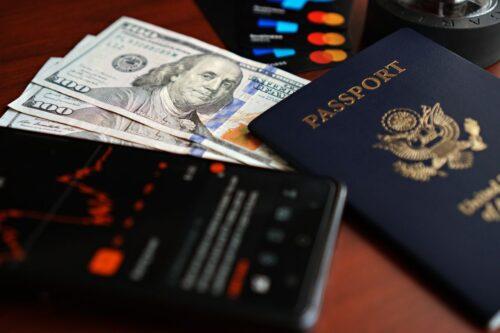
Photo by DΛVΞ GΛRCIΛ: https://www.pexels.com/photo/travel-essentials-passport-currency-and-cards-32269246/
Photo by Ebrart p: https://www.pexels.com/photo/couple-enjoying-scenic-river-view-on-bridge-29340728/