
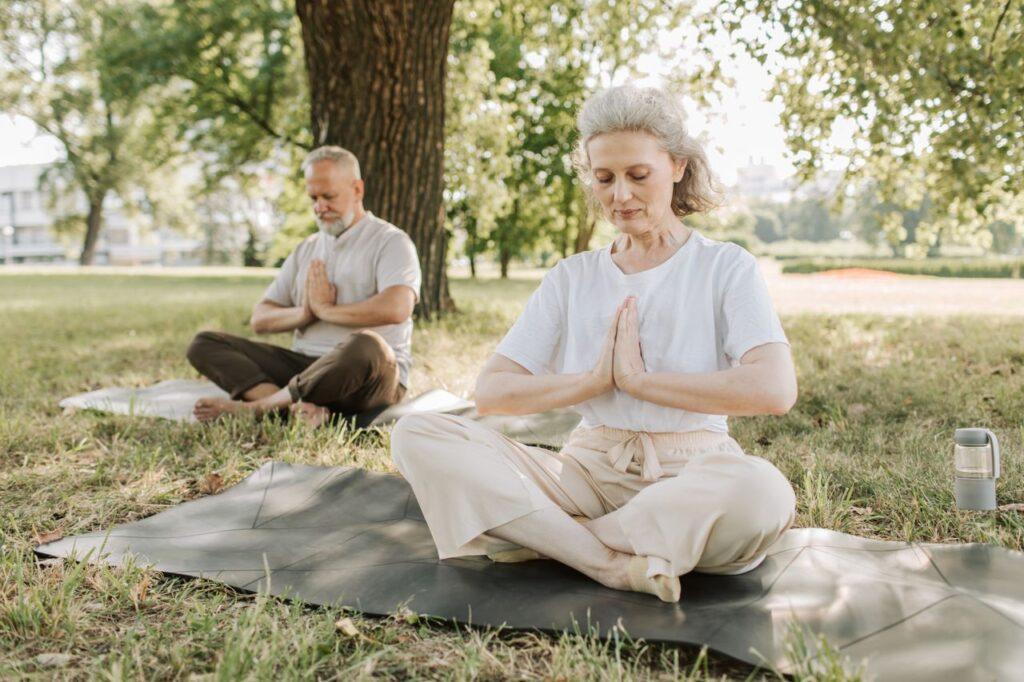
Stress has become an increasingly common part of modern life. While short-term stress can help us respond to challenges, chronic stress places significant strain on both the body and mind. Persistent activation of the body’s stress response can contribute to sleep difficulties, anxiety, elevated blood pressure, digestive issues, and reduced overall well-being.
As awareness of nervous system health continues to grow, many people are exploring mind-body practices that promote relaxation and resilience. Among the most discussed approaches are techniques that stimulate the vagus nerve, a key component of the parasympathetic nervous system.
Often referred to as the body’s “rest and digest” system, the parasympathetic nervous system helps counterbalance the stress response and restore physiological calm. By learning how to activate this system intentionally, individuals may improve their ability to manage stress and recover more effectively from daily pressures.
Understanding the Vagus Nerve and Stress Response
The vagus nerve is the longest cranial nerve in the human body, connecting the brain to major organs including the heart, lungs, and digestive tract. It plays a critical role in regulating heart rate, breathing, digestion, and emotional responses.
When stress occurs, the sympathetic nervous system triggers the familiar “fight or flight” response. Heart rate increases, muscles tense, and the body prepares to respond to perceived threats. While this response is essential in dangerous situations, chronic activation can leave the body in a prolonged state of alertness.
The vagus nerve helps activate the opposing parasympathetic response, encouraging relaxation and recovery. Researchers often use a measure called vagal tone to assess how effectively the nervous system can shift between states of activation and calm.
The Cleveland Clinic provides an excellent overview of vagus nerve function and its role in health. Understanding this relationship has led to growing interest in practices that naturally support parasympathetic activation.
Deep Diaphragmatic Breathing
Among the most accessible stress-management techniques is deep diaphragmatic breathing. Unlike shallow chest breathing, diaphragmatic breathing engages the diaphragm fully, encouraging slower and more efficient respiration.
Slow breathing influences heart rate variability, a marker often associated with nervous system flexibility and resilience. As breathing slows, the body receives signals that it is safe, allowing stress levels to gradually decrease.
Many experts recommend inhaling through the nose for approximately four seconds, allowing the abdomen to expand, followed by a longer exhalation lasting six to eight seconds.
Research published by Harvard Health has highlighted the benefits of controlled breathing techniques for reducing stress and supporting relaxation. The simplicity of this practice makes it particularly valuable because it can be performed virtually anywhere.
Meditation and Mindfulness Practices
Meditation has been studied extensively for its effects on stress reduction and emotional regulation. While there are many forms of meditation, most involve directing attention intentionally while observing thoughts and sensations without judgment.
Regular meditation may help reduce activity in brain regions associated with rumination and excessive worry. Over time, practitioners often report improved emotional awareness and greater resilience when facing stressful situations.
Mindfulness-based stress reduction (MBSR) programs have become especially popular due to their evidence-based approach to managing stress and anxiety.
Johns Hopkins Medicine offers a useful overview of mindfulness and meditation research. Even brief daily sessions can provide meaningful benefits when practiced consistently.
Cold Exposure and Nervous System Regulation
Cold exposure has gained significant attention in recent years, particularly through practices such as cold showers, cold-water immersion, and contrast therapy.
Exposure to cold initially activates the stress response, but controlled and gradual exposure may improve the body’s ability to regulate stress over time. Some researchers suggest that cold exposure may influence autonomic nervous system balance and promote resilience.
It is important to approach cold exposure cautiously, particularly for individuals with cardiovascular conditions or other health concerns. Sudden immersion in very cold water can pose risks and should not be attempted without proper understanding and preparation.
When used appropriately, brief periods of cold exposure may complement other stress-management practices by encouraging adaptation and recovery.
A Simple Daily Nervous System Reset Plan
One of the biggest challenges in stress management is consistency. Rather than relying on occasional wellness activities, a structured daily routine often produces better results.
Morning (5–10 Minutes)
- Practice diaphragmatic breathing for five minutes.
- Focus on slow nasal breathing and extended exhalations.
- Avoid checking social media immediately upon waking.
Midday (10 Minutes)
- Take a mindful walk without distractions.
- Pay attention to breathing, movement, and surroundings.
- Allow your mind to step away from work-related demands.
Afternoon or Early Evening (10–15 Minutes)
- Complete a guided meditation session.
- Focus on body awareness and relaxation.
- Use a quiet environment whenever possible.
End of Shower (30–60 Seconds)
- Finish with cool or cold water exposure.
- Begin gradually and increase duration over time.
- Focus on maintaining calm, controlled breathing.
Before Bed (5 Minutes)
- Repeat diaphragmatic breathing.
- Slow your breathing rhythm and reduce stimulation from screens.
- Create a calming transition into sleep.
This entire routine can be completed in less than 30 minutes daily while providing multiple opportunities to activate the parasympathetic nervous system.
Building Long-Term Resilience
Mind-body practices are not designed to eliminate stress completely. Instead, they help improve the body’s ability to respond to challenges and return to a balanced state more efficiently.
Deep breathing, meditation, mindfulness, and carefully managed cold exposure each offer different pathways for supporting vagal nerve activity and parasympathetic activation. While no single technique works for everyone, combining several approaches often produces the greatest benefits.
The most effective stress-management strategy is usually the one that can be maintained consistently. By incorporating small, intentional practices into daily life, individuals can strengthen their ability to navigate stress, improve emotional well-being, and cultivate a greater sense of calm in an increasingly demanding world.
Photo by Vlada Karpovich: https://www.pexels.com/photo/photo-of-an-elderly-couple-doing-yoga-together-8939923/