
Keeping your home comfortable throughout the year can require significant energy, especially when outdoor temperatures reach seasonal extremes. Fortunately, small improvements to your home and everyday habits can reduce unnecessary energy use without sacrificing comfort.
Learning how to reduce your home’s heating and cooling costs starts with understanding where conditioned air escapes and where your HVAC system works harder than necessary. By improving efficiency throughout the house, you can create a more comfortable living environment while keeping monthly utility expenses under better control.
Seal Air Leaks Around Your Home
Minor openings around doors and windows can let conditioned air seep outside, causing your HVAC system to operate for extended periods. Inspect these areas for noticeable drafts, worn weatherstripping, or cracks that may create an easy path between indoor and outdoor air.
Pay attention to less obvious openings as well. Gaps around plumbing penetrations, electrical outlets, attic access points, and exterior vents can contribute to air leakage. Appropriate caulk or insulating materials can close many of these openings.
Improve Insulation in Key Areas
Insulation creates a barrier that slows heat transfer between your living space and the outdoors. When a home lacks adequate insulation, heat can escape during winter and enter more easily during summer. Your HVAC system then compensates for that unwanted temperature change by operating more frequently.
The attic deserves particular attention because temperature differences can make this area a major source of energy loss. Walls and floors above unconditioned spaces may also benefit from improved insulation. Addressing insulation deficiencies can improve comfort while reducing the workload placed on heating and cooling equipment.
Maintain Your HVAC Equipment
Regular maintenance helps heating and cooling equipment operate efficiently. A dirty air filter can restrict airflow, which makes the system work harder to move conditioned air through your home. Check the filter regularly and replace it according to the manufacturer’s guidance or whenever it becomes visibly dirty.
Professional maintenance can also identify worn components or performance problems before they become expensive repairs. A technician can inspect the system and make adjustments that support efficient operation. Keeping outdoor equipment clear of leaves and other debris also promotes proper airflow.
Use Your Thermostat More Strategically
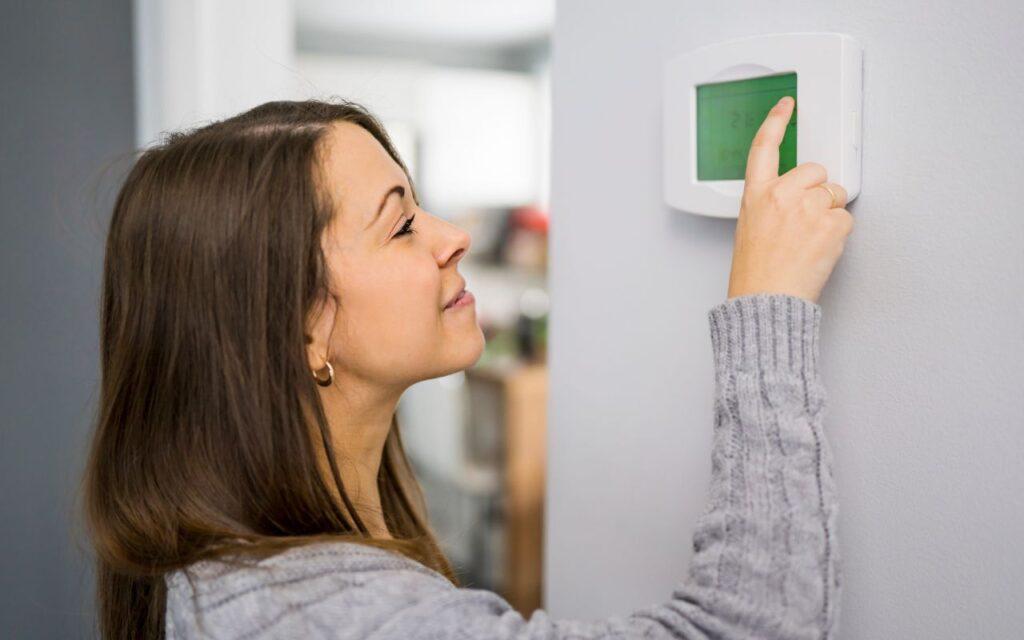
Your thermostat has a direct influence on energy consumption. Setting the temperature slightly closer to outdoor conditions when you are sleeping or away from home can reduce unnecessary HVAC operation.
A programmable or smart thermostat can automate these adjustments based on your household schedule. Avoid making dramatic temperature changes to reach comfort faster. Most systems do not heat or cool more quickly because of an extreme thermostat setting, so moderate adjustments usually make more sense.
Protect Your Home From Solar Heat
Sunlight entering through windows can raise indoor temperatures and increase cooling demand during warmer months. Curtains or shades can block some of this heat, especially on windows that receive strong afternoon sun. Closing window coverings during the hottest part of the day can help rooms stay more comfortable.
Exterior shading can provide additional protection. Awnings and thoughtfully positioned landscaping can reduce direct sunlight before it reaches the glass. During colder months, you can reverse this strategy by opening coverings on sunny windows when beneficial.
Consider the Efficiency of Your Roof
Your roof plays an important role in controlling heat transfer because it receives extensive exposure to sunlight and changing weather. Roofing materials that reflect more solar energy or manage heat effectively can help reduce the amount of warmth entering the attic during hot weather. Proper roof ventilation can also support more stable attic temperatures.
When replacement becomes necessary, consider the benefits of energy-efficient roofing systems alongside appearance and durability. The right roofing approach can support the performance of insulation and reduce strain on cooling equipment.
Keep Air Vents Clear
Furniture, rugs, and curtains can accidentally block supply or return vents. Obstructed vents interfere with airflow and may cause certain rooms to feel warmer or cooler than intended. Your HVAC system may then run longer as you try to correct uneven temperatures with the thermostat.
Walk through your home and make sure air can move freely around each vent. If some rooms remain uncomfortable despite open vents, the ductwork or system balance may need professional attention. Addressing the underlying issue can be more efficient than continually changing thermostat settings.
Use Ceiling Fans Correctly
Ceiling fans can improve comfort without changing the room temperature. During warm weather, the moving air creates a cooling effect that may allow you to set the thermostat a little higher. Because fans cool people rather than empty rooms, turn them off when nobody is present.
Many ceiling fans can reverse direction for colder months. When operated correctly at a low speed, a fan can help circulate warm air that collects near the ceiling. This movement may make the room feel more comfortable without requiring a higher thermostat setting.
Reduce Heat From Everyday Activities
Daily household activities can add heat indoors and increase the burden on your air conditioner. Cooking in an oven during the hottest hours can noticeably warm nearby rooms. When practical, prepare meals earlier or choose cooking methods that release less heat into the living space.
Appliances and electronics also produce heat while operating. Turning off equipment you are not using can reduce unnecessary heat and lower electricity consumption. Consider how daily routines affect indoor temperature before asking your HVAC system to compensate.
Know When Equipment Needs Replacement
Even well-maintained heating and cooling systems eventually lose reliability or become outdated compared with newer equipment. Frequent repairs, uneven comfort, or rising energy use can signal that a replacement is worth considering.
Choosing appropriately sized equipment matters because a system that is too large or too small may operate inefficiently. Home characteristics should guide the selection instead of simply matching the capacity of an old unit. If replacement is necessary, prioritize equipment that suits your home’s needs and local climate.
Simple changes become more effective when you monitor comfort and energy use over time. Seasonal patterns can reveal where improvements matter most, helping you decide which maintenance tasks or upgrades deserve attention before extreme weather arrives.
Create a More Energy-Efficient Home
Reducing energy expenses does not require one dramatic renovation. Sealing leaks, maintaining HVAC equipment, improving insulation, and adjusting household habits can all contribute to better performance over time. The best approach considers how different parts of your home work together to control temperature.
Once you understand how to reduce your home’s heating and cooling costs, you can make practical upgrades that support year-round comfort and prevent your HVAC system from wasting energy.