
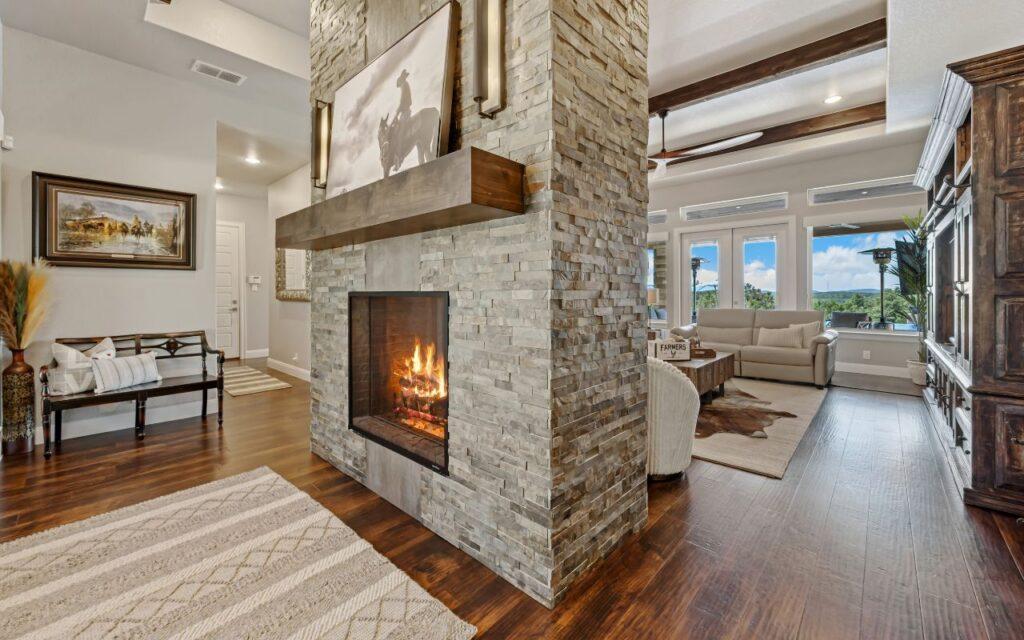
A fireplace feature wall has the potential to become one of the most attractive areas in a living room. It provides a natural focal point, adds warmth to the interior and gives you an opportunity to introduce more personality without redesigning the entire space.
Electric fireplaces make the idea particularly accessible because they suit everything from compact flats to larger contemporary homes. The difference between a basic installation and a polished feature wall often comes down to the details surrounding the fire itself.
Create a more polished fireplace feature wall with a helping hand from this guide.
Begin With the Overall Composition
Before buying decorative pieces, stand back and consider the entire wall as one composition. The fireplace should feel appropriately scaled to the available space rather than looking as though it has simply landed in the middle of a blank wall. Shelving, cabinetry, panelling, or artwork can establish stronger proportions around the unit. Creating that visual relationship makes the fireplace feel like an intentional part of the room.
Consider the height of the wall as well as its width. Tall ceilings can accommodate more vertical detail, while a smaller room may benefit from a simpler arrangement that leaves more breathing space. Drawing the basic layout on paper can help you experiment before making permanent changes. Even a rough sketch makes it easier to spot awkward proportions before you start decorating.
Add Texture Behind the Fireplace
Texture can transform an ordinary wall without requiring lots of additional decoration. Timber slats offer a contemporary look, while stone-effect finishes can introduce an earthy character that complements the visual warmth of a fire. Panelling works particularly well in traditional or transitional interiors because it creates architectural detail without overwhelming the room. Tiles, plaster finishes and textured wall coverings offer further options for different budgets.
You don’t necessarily need to cover the entire wall with your chosen material. Creating a central panel around the fireplace can define the focal area while allowing the surrounding wall to remain relatively simple. This technique can also make expensive materials more affordable because you need less of them. Repeating the material or colour elsewhere in the room will help the feature feel connected to the wider interior.
Choose Accessories With Intention
Once the main wall treatment feels balanced, smaller details can complete the arrangement. A mantel, decorative screen or carefully chosen storage solution can make the fireplace area feel more established while contributing to its everyday usefulness. Looking at must-have accessories for electric fireplaces can provide inspiration, but every addition should suit the dimensions, style and practical requirements of your particular room. A few purposeful pieces generally create a more polished result than a collection of unrelated accessories.
Practical details also deserve attention, particularly when electronics sit close to the fireplace. Visible cables, spare remotes and miscellaneous devices can quickly interrupt a clean design. Consider concealed cable management, discreet storage boxes or furniture with integrated storage to keep these necessities under control. Removing visual clutter allows the fireplace itself to remain the main attraction.
Use Lighting To Enhance the Wall
The fireplace contributes its own glow, but additional lighting helps the feature wall remain attractive when the fire effect is switched off. Wall lights can emphasise textured materials, while nearby lamps create softer illumination around the seating area. Directional lighting can highlight artwork or architectural details without flooding the entire wall with brightness. Layering light sources creates more flexibility as the room changes from daytime to evening use.
Colour temperature can also influence the mood. Very cool lighting may feel disconnected from the warmth associated with a fireplace, particularly in rooms filled with timber and soft neutral colours. Warmer lighting often complements these materials and creates a more relaxed atmosphere. Keep neighbouring light sources reasonably consistent so that the room doesn’t appear visually disjointed.
Connect the Feature Wall to Your Furniture
The wall may provide the focal point, but the furniture determines whether the room works as a whole:
- Position seating so that people can enjoy the fireplace without forcing every chair to face it directly.
- A rug can anchor the conversation area and create a visual connection between the fireplace and surrounding furniture.
- Coffee tables and side tables can then support the arrangement while making the space more practical.
When reviewing the finished area, check several details that might influence how polished it feels, including:
- Keep walking routes clear around seating and tables.
- Repeat selected colours or materials elsewhere in the room.
- Conceal cables and everyday electronics wherever practical.
- Leave enough empty space around important decorative pieces.
- Choose furniture that suits the scale of the fireplace wall.
Decide Whether a Television Belongs There
Many households want a television and fireplace in the same part of the room. Placing a television above the fireplace can create a streamlined arrangement, particularly when floor space is limited. However, the two features should feel visually balanced rather than competing for attention. Consider their respective widths, surrounding materials and viewing height before committing to the layout.
Keeping the television elsewhere can give you more freedom to decorate the fireplace wall. Artwork, a mirror or textured panelling can take centre stage instead, creating a softer and less technology-focused atmosphere. Neither option works universally for every home. Base the decision on how you use the room rather than following a design trend that may not suit your routine.
Finish With Personal Details
A polished room should never feel like a furniture showroom. Books, photographs, collected objects and favourite artwork can make a carefully designed fireplace wall feel genuinely connected to the people who live there. The trick lies in selecting personal items rather than displaying everything at once. Rotate pieces occasionally if you have more favourites than the space can comfortably accommodate.
Your finishing touches should also make the room enjoyable to use. A comfortable chair near the fireplace, a basket for throws or a convenient side table can contribute as much to the experience as purely decorative pieces. Good interior design combines appearance with everyday comfort. When the space works well, its polished appearance feels natural rather than staged.
Create a Feature Worth Gathering Around
A polished fireplace feature wall doesn’t require endless decoration or an enormous renovation budget. Strong proportions, thoughtful textures, effective lighting and carefully edited accessories can elevate even a relatively simple electric fireplace.
Focus on creating a cohesive composition before worrying about small decorative details. The finished feature can then bring warmth, personality and a wonderfully polished focal point to your living space.