
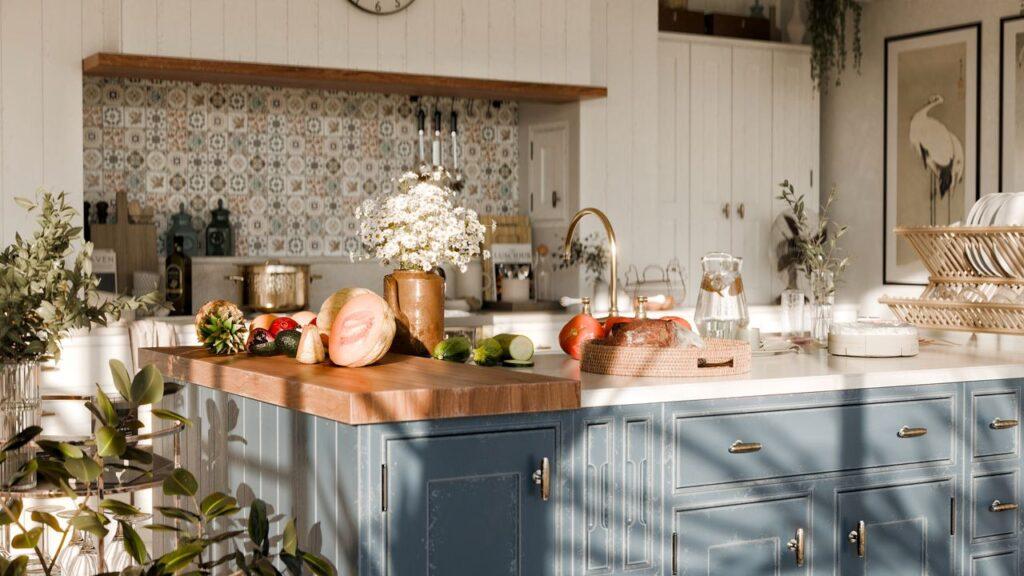
Home cooks planning a kitchen renovation often focus on style and storage, then wonder why weeknight meals still drift toward takeout and snacking. The challenge is that kitchen design impact is subtle: when prep feels cramped, ingredients are hard to see, or cleanup is annoying, the space quietly steers habits away from nutrition and wellness.
A renovation is a rare chance to shape a healthy cooking environment where healthy choices feel like the default instead of a daily push. Done with intention, the layout can support long-term health goals.
Quick Summary: Healthy Kitchen Design Essentials
- Prioritize a kitchen layout that makes healthy cooking and smart routines easier.
- Choose appliances that support nutritious cooking and everyday meal preparation.
- Organize food storage to keep healthy options visible, accessible, and easy to maintain.
- Select cooking materials that align with wellness-focused renovation goals.
Upgrade Sink Plumbing for a Smoother, More Reliable Remodel
Once you’ve nailed the big renovation moves, the “hidden” water setup is what keeps healthy routines feeling effortless day after day. Plumbing upgrades around the sink can remove little points of friction that derail cooking at home. A high-efficiency sink paired with a pull-down sprayer makes rinsing produce, washing knives and cutting boards, and quick cleanup faster, so you’re more likely to prep real ingredients and reset the space for the next meal.
Adding a pot filler can streamline cooking tasks (especially when you’re boiling grains, beans, or soups) by cutting down on heavy lifting and back-and-forth trips. Upgrading to a water filtration system also makes clean-tasting water easier to access, supporting habits like drinking more water and using filtered water for cooking.
Because these components live behind walls and under cabinets, reliability matters: source professional-grade parts from a reputable supplier so upgrades and future repairs don’t turn into leaks or repeat work. Start by identifying the core pipes, fittings, and valves you’ll need for your sink, dishwasher, and any new fixtures. With water supply and connections sorted, you’re ready to plan the rest of your health-first kitchen layout and storage in a more confident, step-by-step way.
Plan a Health-First Kitchen Workflow Step by Step
With your water setup handled, you can design the rest of the kitchen so healthy cooking feels like the easiest option. Use this simple workflow to map your layout, pick the right appliance features, and organize storage so good meals become the default.
- Step 1: Map your “prep to cook to clean” path
Start by identifying where you will rinse and chop, where you will cook, and where dishes will land after. Keep those three zones close enough that you are not crossing the room with wet produce or hot pans, and make sure the sink is easy to reach since sink placement influences everyday food hygiene behaviors. - Step 2: Size your work surfaces for real prep
Choose one main counter as your dedicated prep spot, ideally next to the sink for quick rinsing and draining. Make that space the easiest place to stand comfortably and set down a cutting board, mixing bowl, and sheet pan, so cooking from whole ingredients requires less effort. - Step 3: Choose appliance features that support better defaults
Prioritize tools that make nutritious cooking faster, such as an oven with reliable convection, a cooktop you can wipe quickly, and a fridge that holds produce at eye level. If you want extra flexibility for healthy staples, five different food mode settings can help you keep meal prep items, snacks, and make-ahead portions in the right conditions. - Step 4: Build storage around “see it, grab it, use it”
Place everyday healthy items where your hands naturally go: fruit in a visible bowl, whole grains and beans in clear canisters, and oils and spices near the cooktop. Put less frequent or less nutritious items higher up or farther away, and keep one shelf or bin labeled “use first” so older perishables get cooked before they get forgotten. - Step 5: Do a 10-minute ergonomic test run and adjust
Walk through making one simple meal and notice any awkward reaches, tight turns, or heavy lifting. Use the idea that ergonomics is the science of designing spaces for comfort and efficiency to guide small changes like moving knives closer to the prep zone or relocating cutting boards to the cabinet under it.
Kitchen Habits That Make Healthy Eating Automatic
A well-designed kitchen works best when your routines match the layout. These small habits turn your zones, surfaces, and storage into autopilot cues so healthier choices happen even on busy nights.
Reset the Prep Zone
- What it is: Clear the main counter and restock board, knife, bowl, and towel.
- How often: Daily
- Why it helps: A ready station lowers friction, so cooking feels like the fastest option.
Two-Grab Produce Check
- What it is: Put two fruits or veggies at eye level when unloading groceries.
- How often: Per grocery trip
- Why it helps: Visibility increases use before produce wilts in the drawer.
Protein-and-Grain Batch Start
- What it is: Cook one protein and one grain while you unpack groceries.
- How often: Weekly
- Why it helps: Fast building blocks reduce reliance on last-minute takeout.
15-Minute Fast-Cook Night
- What it is: Use quick cooking techniques and keep tools within reach.
- How often: 2 to 4 times weekly
- Why it helps: You get a real meal even when energy is low.
One-Pass Clean Closeout
- What it is: Wash, wipe, and run the dishwasher right after dinner.
- How often: Daily
- Why it helps: A clean restart makes tomorrow’s cooking decision easier.
Make One Kitchen Change That Keeps Healthy Eating Consistent
Healthy intentions can fall apart when a kitchen makes the better choice harder than the convenient one. The mindset here is intentional kitchen design, small, practical adjustments that support routines and reduce daily decision fatigue for sustainable wellness.
When the space cues prep, cooking, and quick cleanup, long-term nutrition support starts to feel automatic, and the health-focused renovation benefits show up in steadier meals and fewer impulse choices. Design your kitchen so the healthiest choice becomes the easiest choice.
Article by Megan Cooper
Image credit: Photo by George Turmanidze: https://www.pexels.com/photo/kitchen-in-house-21874959/