
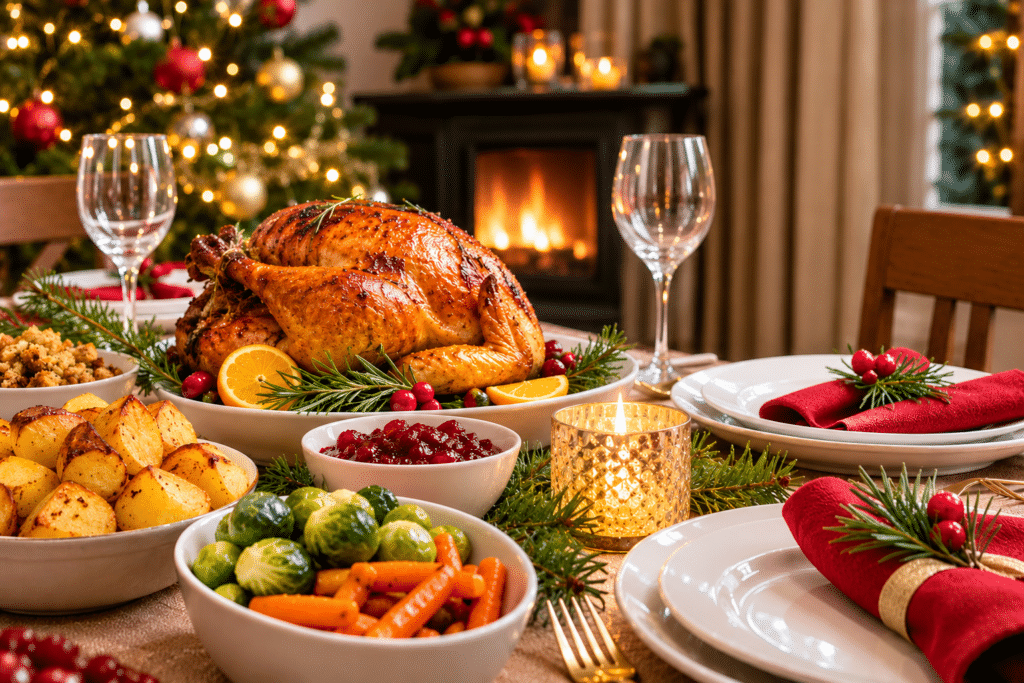
A successful Christmas dinner is about more than preparing a delicious meal. It is about bringing people together, creating a welcoming atmosphere and making everyone feel at home, whether you are hosting a small family gathering or a larger festive celebration. However, between planning the menu, decorating the table, organising timings and accommodating different preferences, hosting Christmas dinner can quickly become overwhelming.
The secret is not to do everything yourself or spend the entire day in the kitchen. A well-planned Christmas dinner allows the host to enjoy the occasion just as much as the guests. With some preparation, a thoughtful menu and a few practical hosting decisions, you can create a memorable celebration without turning Christmas Day into a stressful experience.
Plan the Menu and Prepare Ahead
The first step towards hosting a successful Christmas dinner is deciding what to serve and how much preparation each dish requires. Start by confirming the number of guests, checking whether anyone has dietary requirements and choosing a menu that suits your cooking experience and kitchen facilities.
A traditional Christmas dinner often features roast turkey, chicken, beef or gammon, accompanied by roast potatoes, seasonal vegetables, stuffing, pigs in blankets and gravy. However, there is no reason to follow tradition if another menu would suit your guests better. A slow-roasted beef joint, glazed ham or vegetarian Wellington can make an equally impressive centrepiece.
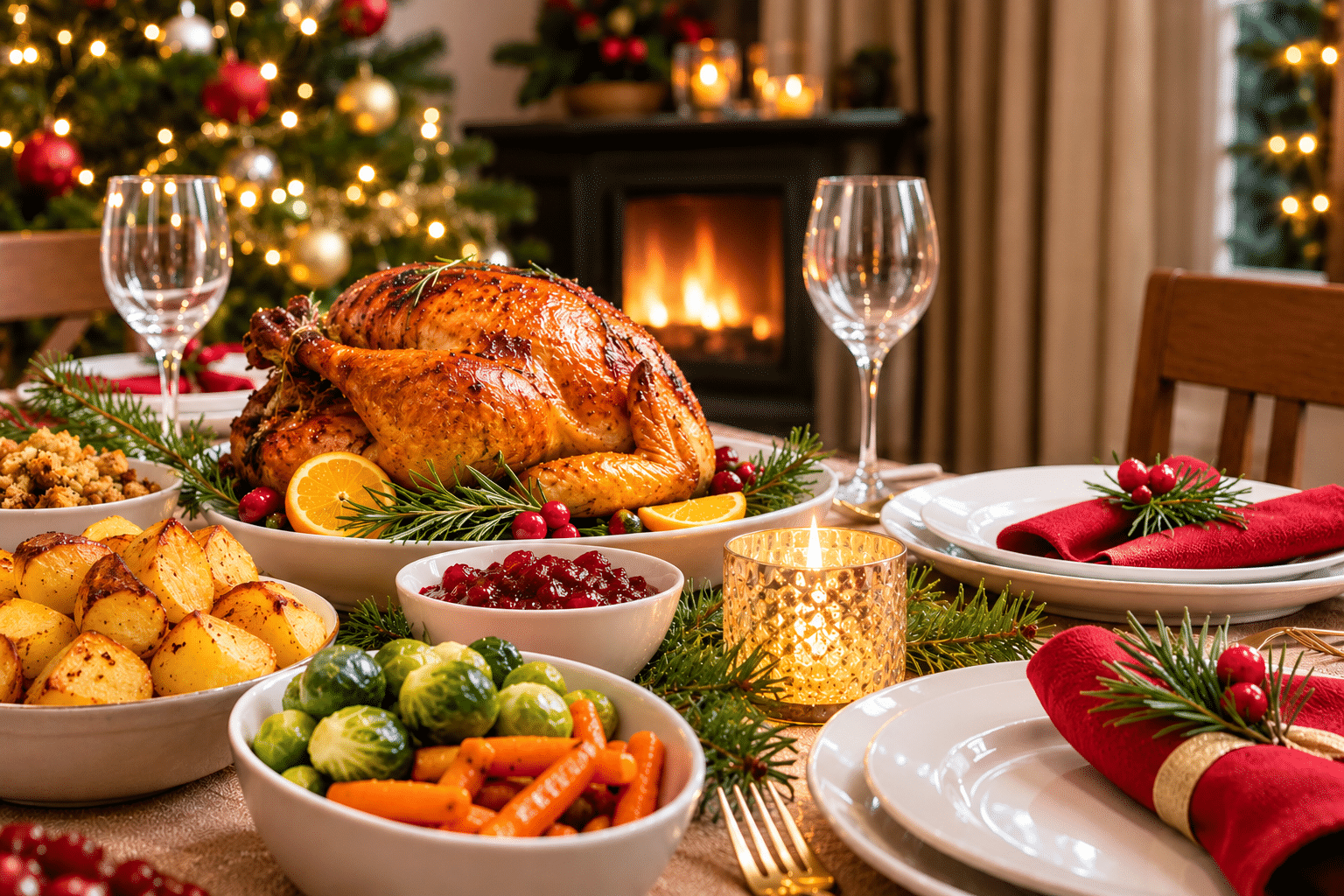
Consider the complete meal rather than concentrating exclusively on the main course. Choose side dishes that complement one another and avoid preparing too many recipes that require the oven simultaneously. A combination of roasted vegetables, prepared sauces and dishes that can be reheated will make cooking considerably easier.
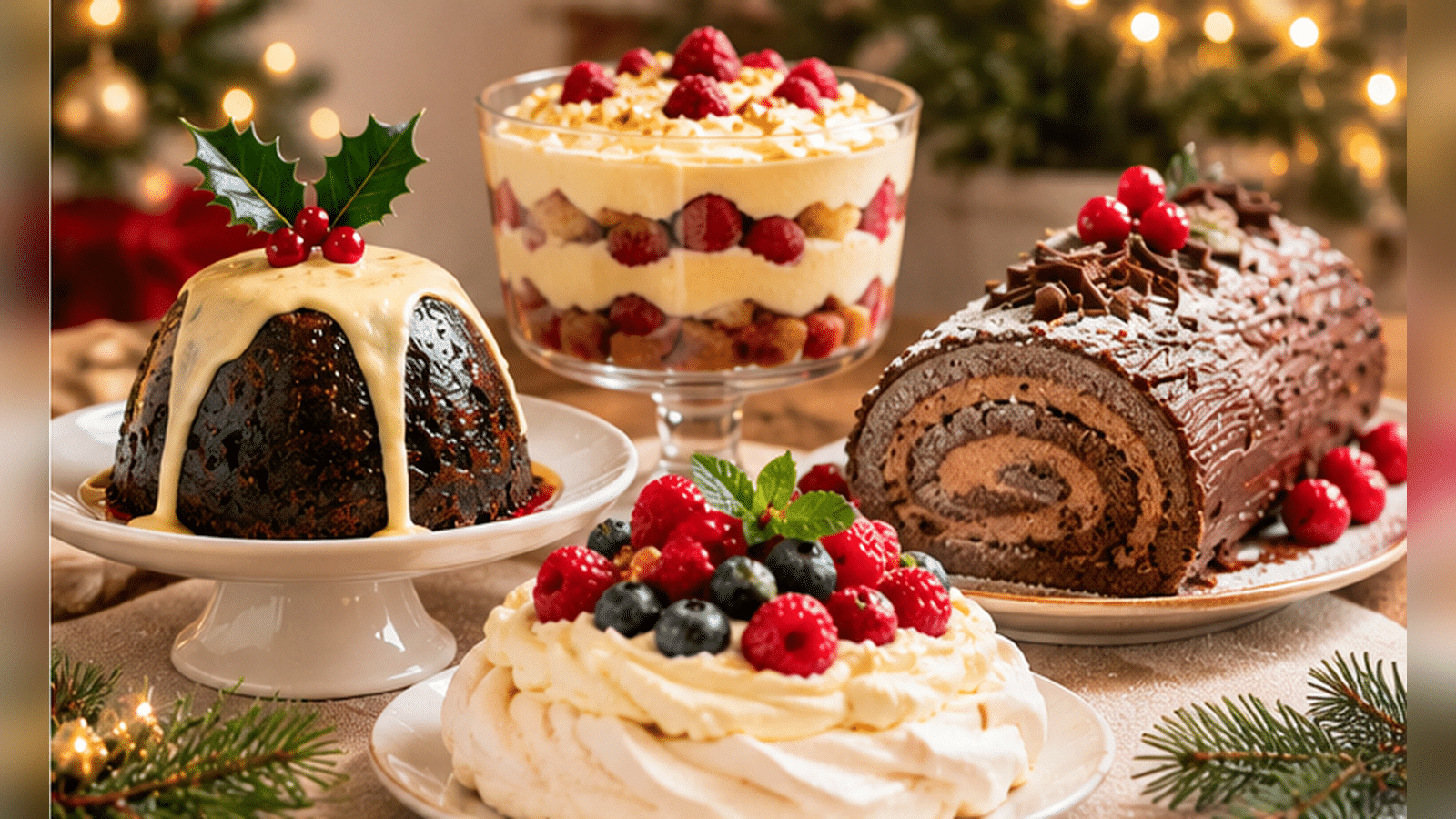
Dessert deserves the same attention. Christmas pudding, chocolate yule log, trifle and pavlova are popular choices, but preparing dessert in advance means one less responsibility once dinner is underway. A small cheeseboard with crackers, grapes and chutney also provides a relaxed alternative for guests who prefer something savoury.
The best hosting decision is to prepare as much as possible before Christmas Day. Vegetables can be washed, peeled and chopped, sauces can be made ahead, and some side dishes can be cooked and frozen according to their storage requirements. BBC Good Food’s Christmas time plan provides a useful preparation timeline, including dishes that can be made weeks in advance. You can also consult its guide to freezing Christmas food to plan what can be stored ahead of time.
Create a shopping list divided into fresh ingredients, cupboard essentials and drinks, then check what you already have at home. This avoids unnecessary purchases and makes organising your fridge and freezer easier.
Create a Festive Table and a Welcoming Atmosphere
The Christmas table is often the visual centrepiece of the celebration, so a little attention to presentation can make an ordinary dining room feel special. You do not need expensive decorations or a completely new dinnerware collection. A coordinated colour palette, attractive tableware and a few seasonal details can make a significant difference.
Start with a tablecloth, runner or placemats that complement your existing crockery. Traditional combinations such as red and gold, green and champagne, or white and silver work particularly well. Alternatively, natural materials such as linen, wood and greenery create a more understated Christmas look.
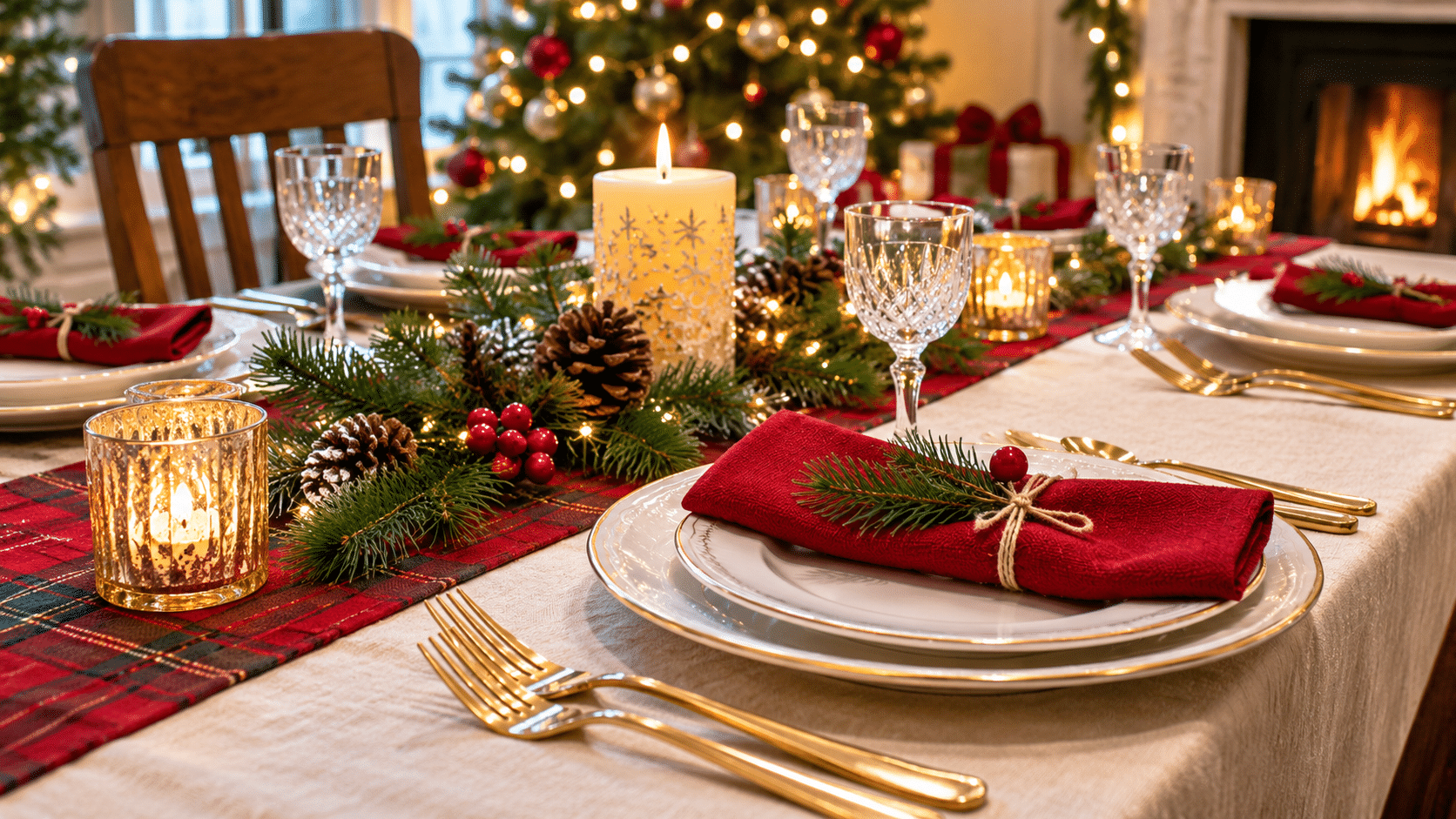
A simple centrepiece can bring everything together. Fresh eucalyptus, pine branches, seasonal flowers, pinecones or carefully positioned candles add festive character without taking up too much space. Keep decorations low enough for guests to see one another across the table, and position candles safely away from flammable materials.
Personalised place cards are another thoughtful addition, particularly when hosting a larger gathering. Christmas crackers, individual napkins and small festive details can complete the setting without making it feel overcrowded.
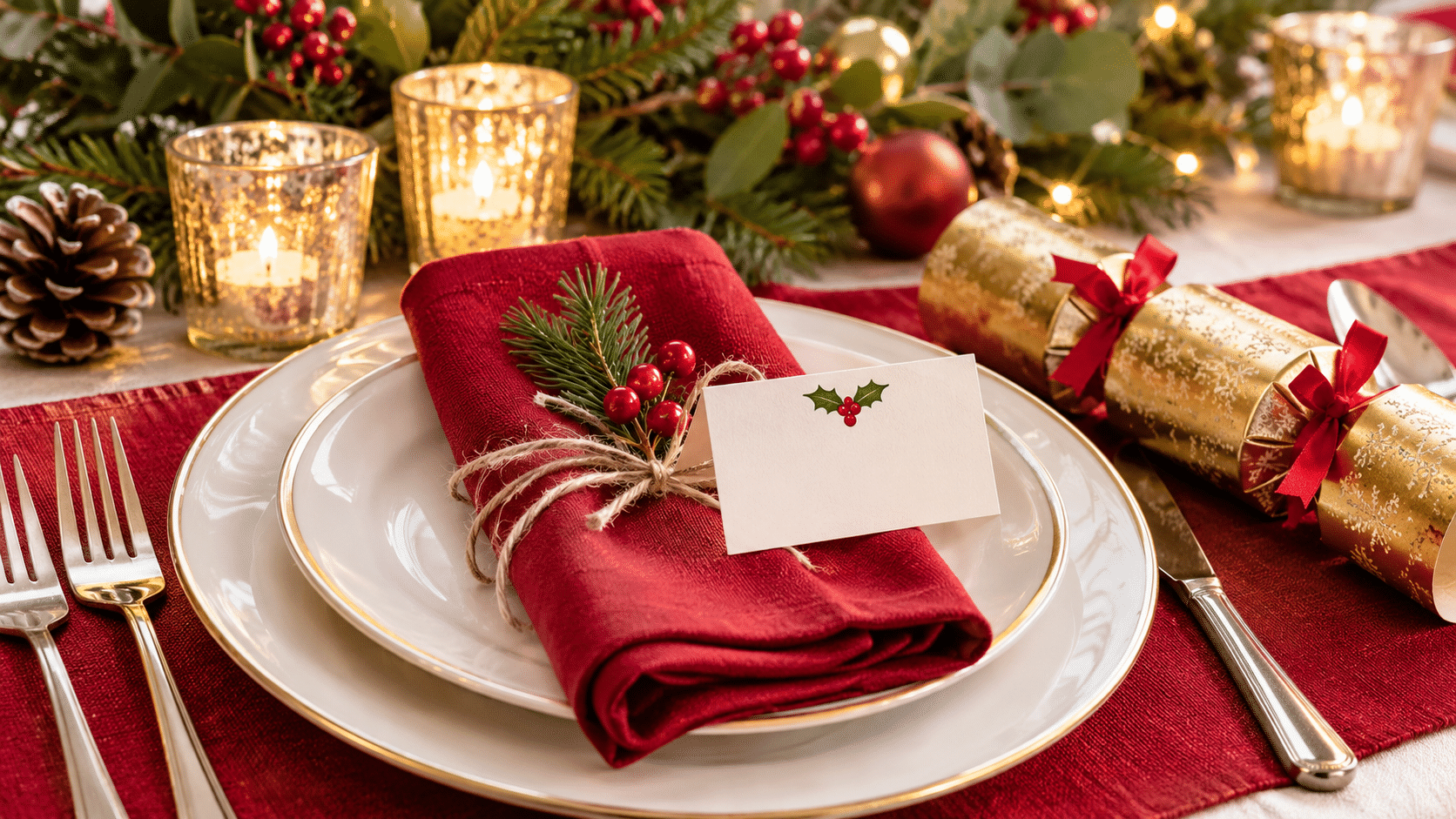
Lighting also plays an important role. Warm lighting, candles and subtle Christmas decorations can make the dining room feel inviting, while a festive playlist playing quietly in the background helps establish a relaxed atmosphere.
Remember to consider your guests’ comfort. Make sure there is enough room around the table, provide suitable seating and keep water, drinks and serving utensils accessible. If children are joining the celebration, a small activity table or Christmas colouring sheets can keep them entertained while the adults finish preparing dinner.
Organise Christmas Day and Enjoy the Celebration
Even the best menu and most beautiful table will not make hosting enjoyable if everything needs to be done simultaneously. A realistic Christmas Day schedule is therefore one of the most useful tools you can prepare.
Work backwards from your planned serving time and calculate when each dish needs to be cooked, reheated or finished. Pay particular attention to the main course, as its cooking and resting time will influence the rest of the schedule. Follow the cooking instructions for your chosen meat rather than relying on a generic timetable, since weight, oven type and preparation methods affect cooking times.
Food safety should also be part of your preparation. If you are cooking a frozen turkey, allow sufficient time for it to defrost safely in the refrigerator. The UK Food Standards Agency’s Christmas food hygiene guidance explains how to defrost turkey safely, including keeping it covered on the bottom shelf of the fridge to prevent cross-contamination. It also advises against washing raw poultry because splashing water can spread harmful bacteria around the kitchen.
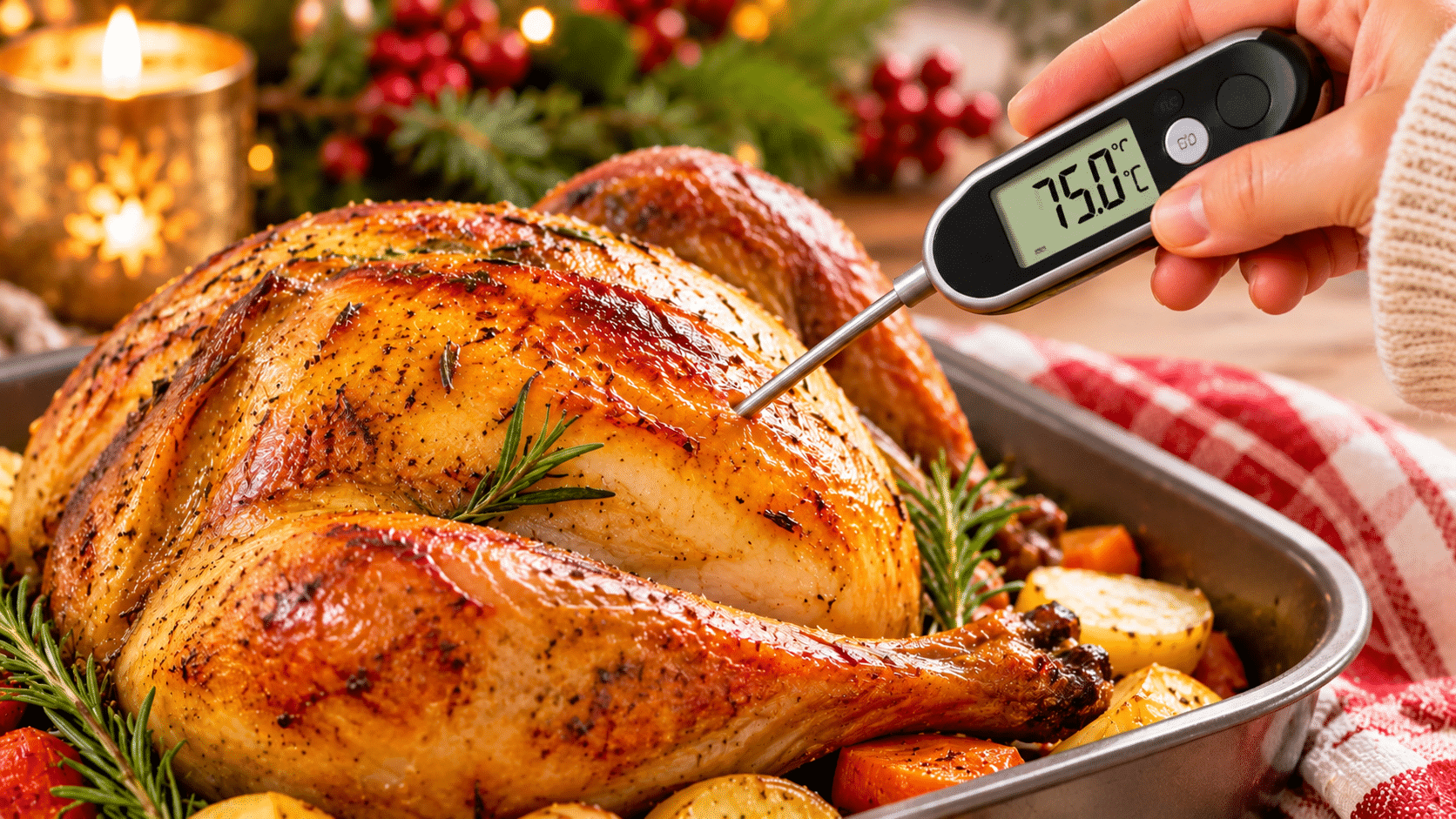
Use separate utensils and chopping boards for raw poultry and ready-to-eat foods, keep chilled ingredients refrigerated and check that meat is thoroughly cooked. A food thermometer is particularly useful when preparing a large roast, as it allows you to check the temperature at the thickest part rather than relying exclusively on appearance.
You do not have to manage everything alone. Delegate a few simple responsibilities instead of trying to organise every detail yourself. Someone can welcome guests, another person can pour drinks, and guests can help bring dishes to the table or clear plates after the meal. Hosting does not mean doing every task yourself.
Finally, think about what happens after dinner. Prepare containers for leftovers, make space in the fridge and have coffee, tea or after-dinner drinks ready. Refrigerate leftovers promptly rather than leaving dishes on the dining table for several hours.
Make Christmas About the People, Not the Pressure
A memorable Christmas dinner does not depend on having a perfect menu, an elaborate table or an impressive collection of decorations. What guests are most likely to remember is the time spent together, the conversations around the table and the feeling of being welcomed into someone’s home.
Planning ahead, choosing dishes you enjoy preparing and sharing responsibilities will make the experience much more enjoyable. Leave room for unexpected moments, allow the meal to unfold naturally and remember that the host deserves to sit down and enjoy Christmas, too.
After all, the best Christmas dinners are not necessarily the most elaborate ones. They are the celebrations where everyone feels at home.