
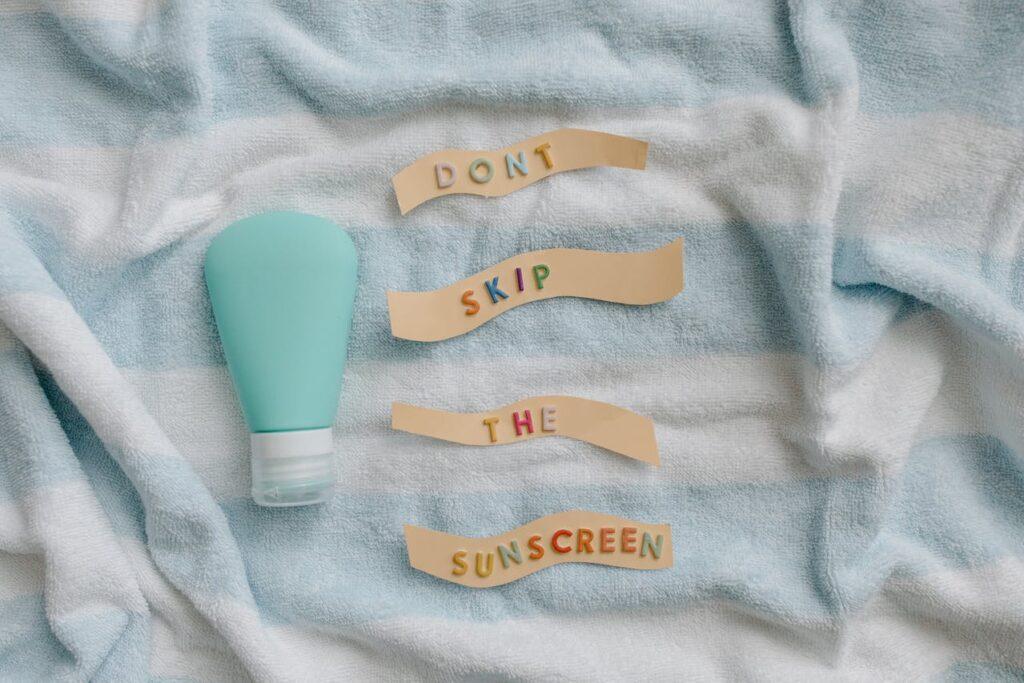
For something that sits in almost every bathroom cabinet, sunscreen is still widely misunderstood. Many people treat SPF as a beach-day product, something reserved for holidays, heatwaves, or long afternoons by the pool. In reality, sun protection is one of the few skincare habits that dermatologists consistently agree makes a measurable difference over time.
Daily sunscreen use is not just about preventing sunburn. It plays a major role in protecting the skin from premature ageing, hyperpigmentation, and long-term UV damage. Yet confusion around SPF numbers, UVA and UVB rays, broad-spectrum formulas, and reapplication rules means many people are not getting the protection they think they are.
What SPF Really Means
SPF stands for Sun Protection Factor, a measurement of how well a sunscreen protects against UVB rays. These are the ultraviolet rays primarily responsible for sunburn and a major contributor to skin cancer.
One of the most common misconceptions is that higher SPF numbers dramatically increase protection. In reality, the difference becomes smaller as the numbers rise. According to the American Academy of Dermatology, SPF 30 blocks approximately 97% of UVB rays when applied correctly, while SPF 50 blocks about 98%.
That does not mean SPF 50 is unnecessary. Higher SPF formulas can provide an additional margin of protection, especially for people who spend extended periods outdoors. The bigger issue is that most people apply less sunscreen than the amount used during laboratory testing, which means they receive less protection than the SPF number suggests.
UVA vs UVB: Why Broad-Spectrum Matters
Many consumers focus entirely on SPF numbers without paying attention to whether a sunscreen is broad-spectrum.
UVB rays are the primary cause of sunburn, but UVA rays penetrate deeper into the skin. They are strongly associated with premature ageing, including wrinkles, loss of elasticity, and uneven pigmentation. UVA exposure can also contribute to skin cancer risk.
This is where broad-spectrum sunscreen becomes essential. A broad-spectrum formula is designed to protect against both UVA and UVB radiation rather than UVB alone. Without that wider protection, a sunscreen may help prevent burning while still allowing significant UVA exposure throughout the day.
That distinction matters because UVA rays remain relatively consistent throughout the year and can penetrate clouds and glass. Even if you spend most of your day indoors, sitting near windows or commuting, your skin is still exposed to UV radiation.
Mineral vs Chemical Sunscreen: Which Should You Choose?
Once you’ve decided on a broad-spectrum sunscreen, you’ll often face another choice: mineral or chemical.
Mineral sunscreens, sometimes called physical sunscreens, rely on active ingredients such as zinc oxide and titanium dioxide. These ingredients provide broad-spectrum protection and are often recommended for people with sensitive or reactive skin. They also begin working immediately after application.
Chemical sunscreens use ingredients such as avobenzone, octocrylene, octisalate, and homosalate. These formulas absorb UV radiation before it can damage the skin. Because they tend to be lighter and easier to blend, they are often preferred for daily wear and under makeup.
Neither option is inherently better. Mineral formulas can sometimes leave a white cast, although modern formulations have improved considerably. Chemical sunscreens generally feel more lightweight but should be applied around 15 minutes before sun exposure.
For most people, the best sunscreen is the one they will use consistently. Whether mineral or chemical, the product should offer broad-spectrum protection and an SPF of at least 30.
Why Daily SPF Is More Important Than You Think
One reason sunscreen remains underrated is that UV damage is cumulative. The effects often develop gradually rather than appearing immediately.
A single afternoon in the sun may result in visible redness or a sunburn, but the damage from everyday exposure is less obvious. Over time, repeated UV exposure contributes to fine lines, dark spots, uneven skin tone, collagen breakdown, and changes in skin texture.
This is why dermatologists recommend sunscreen as a daily habit rather than an occasional product. Consistent protection helps reduce ongoing damage before it becomes visible.
Daily SPF becomes even more important for people using active skincare ingredients such as retinoids, exfoliating acids, or pigmentation treatments. These products can increase sun sensitivity, making sunscreen an essential part of maintaining healthy skin.
The Reapplication Rule Most People Ignore
Applying sunscreen once in the morning is better than skipping it altogether, but it is not enough for prolonged outdoor exposure.
The U.S. Food and Drug Administration and dermatologists generally recommend reapplying sunscreen every two hours when outdoors. Reapplication becomes even more important after swimming, sweating, or towel drying, since these activities can remove sunscreen from the skin.
One common misconception is that a higher SPF lasts longer. It does not. SPF 50 does not eliminate the need for reapplication. While it may offer slightly greater protection than SPF 30, it still wears away throughout the day.
For someone spending most of the day indoors, reapplication may not be as critical. However, outdoor activities, holidays, sports, and long periods of sun exposure require a more consistent approach to maintain protection.
The Daily Habit That Pays Off
The best sunscreen is not necessarily the most expensive, the highest SPF, or the product currently trending on social media. What matters most is choosing a broad-spectrum formula with at least SPF 30 and making it part of your daily routine.
Understanding the difference between UVA and UVB rays, knowing how SPF numbers work, and following proper reapplication habits can dramatically improve how well your sunscreen performs. Small daily choices often have the biggest impact on skin health, and few habits offer as much long-term value as consistent sun protection.
When it comes to UV damage, prevention is always easier than trying to reverse the effects later.
Photo by Tara Winstead: https://www.pexels.com/photo/text-promoting-use-of-sunscreen-8384649/