
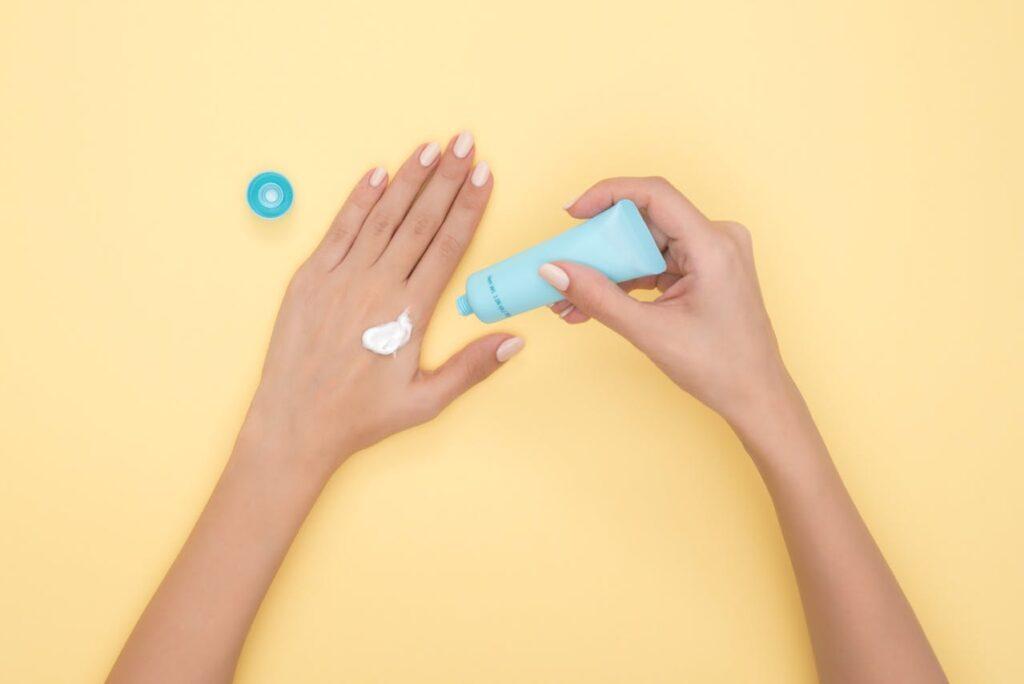
Picking out the right moisturizer isn’t just about grabbing whatever’s on sale—it can honestly make a huge difference in how your skin feels and looks. There are all sorts of formulas out there for different skin types, and getting the right one really matters if you want to keep your skin balanced and happy. If you take a little time to understand what’s in your products and what your skin actually needs, you’ll probably notice a real boost in hydration and maybe even a bit of a glow.
Moisturizers come in all shapes and sizes: creams, lotions, gels—you name it. Creams tend to be on the heavier side, so they’re usually a lifesaver for dry skin, while lighter gels are great for oily or combo skin. Once you figure out which type works for you, it gets a lot easier to keep your skin’s natural barrier intact and avoid those annoying issues like dry patches or too much shine.
Honestly, sticking with a moisturizer every day is key. It helps lock in moisture and shields your skin from whatever the world throws at it. With a little trial and error, just about anyone can find something that keeps their skin healthy and hydrated.
Understanding Skin Hydration and Moisturization
Keeping skin hydrated is kind of non-negotiable if you want it to look and feel good. It’s about more than just slapping on some cream—it’s understanding how moisture works, what your skin barrier does, and what sneaky things can make your skin lose water. All these pieces add up to the way your skin looks and behaves.
The Science of Skin Hydration
When we talk about skin hydration, we’re really just talking about how well your outer skin layer—the stratum corneum—hangs onto water. This layer is made up of dead skin cells and something called natural moisturizing factors (NMFs) that help pull in and keep moisture. If this layer is doing its job, your skin looks plump and feels soft. If not, you might notice it getting rough or flaky—definitely not ideal.
Skin’s water content is measured in hydration levels, usually somewhere between 10% and 20%. When that number drops, it’s often thanks to things like dry air, pollution, or even just being out in the elements too long. All of that can mess with your skin’s vibe.
Functions of the Skin Barrier
Your skin barrier is basically your body’s bouncer—it keeps the good stuff in and the bad stuff out. It’s made up of lipids that form a sort of shield, stopping water from escaping (that’s transepidermal water loss, or TEWL, if you’re feeling fancy). If your barrier’s in good shape, your skin stays hydrated and protected.
But if you mess with it—like by using harsh products, dealing with pollution, or braving wild weather—it can get leaky. That leads to dryness, irritation, and generally cranky skin. Taking care of this barrier is a must if you want to keep hydration levels up where they should be.
Factors Influencing Moisture Loss
There’s a whole laundry list of things that can dry out your skin. Age is a big one; as you get older, your skin just doesn’t hold onto water like it used to. Weather matters too—dry, windy days can really suck the moisture right out, while humid air actually helps a bit.
Don’t forget about lifestyle stuff either. What you eat, how much water you drink, and what products you use all play a part. Ingredients like occlusives, humectants, and emollients can help your skin hang onto moisture and keep that barrier strong. If you know what’s working against you, it’s a lot easier to pick products that actually help.
Identifying Your Skin’s Needs
Figuring out what your skin actually needs is half the battle. Once you know your skin type, what you’re dealing with, and how hydrated (or not) your skin feels, you can make way better choices about moisturizers.
Skin Types and Their Characteristics
Most people fall into one of four main skin types: oily, dry, combination, or sensitive.
- Oily Skin: If your skin’s always shiny and your pores look bigger than you’d like, you probably have oily skin. It’s also the type that tends to break out the most.
- Dry Skin: This one feels tight, rough, and sometimes flaky. It can get irritated easily and is more likely to deal with stuff like eczema.
- Combination Skin: A little bit of everything—usually oily down the T-zone (forehead, nose, chin) and drier on the cheeks.
- Sensitive Skin: This type reacts to just about anything, from weather to new products. Redness, inflammation, and flare-ups like rosacea are pretty common.
Common Skin Concerns and Conditions
Different skin types come with their own set of problems. Some of the big ones:
- Acne-Prone Skin: Usually oily, and breakouts are a constant battle.
- Eczema: Dry, itchy patches that just won’t quit, often on already dry skin.
- Psoriasis: Thick, red spots with silvery scales—definitely not fun.
- Rosacea: Redness, visible veins, bumps—especially tough for sensitive skin folks.
Spotting these issues early makes it a lot easier to pick the right moisturizer.
Assessing Skin Hydration Levels
Checking how hydrated your skin is might sound a bit extra, but it really helps.
- Visual Inspection: If your skin looks dull or you see flakes, it’s probably thirsty.
- Skin Texture: Smooth skin = happy, hydrated skin. If it feels rough, you might need more moisture.
- Moisture Testing Devices: There are gadgets out there that can actually measure your skin’s hydration. Not everyone has these, but they’re kind of cool if you want to get nerdy about it.
Checking in on your skin every so often helps you know if your moisturizer is actually doing its job.
Choosing the Right Formula for Optimal Hydration
Let’s be honest: not all moisturizers are created equal. The right formula can make all the difference, and it really depends on your skin type and what you want to fix. Knowing the different types and what’s inside them helps you make a smarter pick.
Moisturizer Types: Creams, Lotions, and Gels
There’s a moisturizer for everyone: creams (super thick, perfect for dry skin), lotions (lighter, good for normal or combo skin), and gels (water-based and awesome for oily or acne-prone skin since they don’t clog pores).
Each type feels different, too. Here’s a quick rundown:
- Creams: Packed with emollients and occlusives. Heavy-duty stuff.
- Lotions: A nice mix of humectants and emollients. Not too greasy.
- Gels: All about humectants like glycerin and hyaluronic acid. Super lightweight.
Key Ingredients for Effective Moisturizing
The best moisturizers have certain powerhouse ingredients. Humectants (think glycerin, hyaluronic acid) pull water into your skin. Emollients (like ceramides and oils) make everything feel smooth and soft. Occlusives (petrolatum, dimethicone) create a seal to keep moisture from escaping.
Some standout ingredients worth looking for:
- Glycerin: Super effective at drawing in water.
- Hyaluronic Acid: Can hold a ridiculous amount of water—up to 1,000 times its own weight.
- Ceramides: Help rebuild and protect your skin barrier.
Matching Formulas to Skin Needs
The “right” moisturizer is honestly pretty personal. Dry skin? Go for a rich cream loaded with occlusives. Combination skin usually does well with something lighter, like a lotion. If you’re oily, gels are your best friend—hydrating without making you look greasy.
If you’re also worried about aging, look for formulas with active stuff like retinol (helps with cell turnover and firmness) or niacinamide (calms skin and strengthens the barrier). And don’t forget SPF—it’s a must for protecting your skin from sun damage, even if it’s cloudy.
Also, if you break out easily, check if a product is non-comedogenic. In the end, it’s all about testing what works for you and tweaking as you go.
Pro Techniques for Moisturizing Like a Professional
If you really want to nail your moisturizing routine, you’ve got to think a little strategically. Prepping your skin, layering products the right way, and switching things up with the seasons all make a difference.
Prepping the Skin: Cleansing and Patting Dry
First things first: always start with clean skin. Use a gentle cleanser—no need to go overboard and strip your skin. Pick one that fits your skin type, especially if you’re prone to breakouts or sensitivity.
After washing, pat (don’t rub!) your face dry with a soft towel. Leaving your skin just a little damp actually helps your moisturizer sink in better. It’s a small step, but it really does make a difference in how hydrated your skin feels afterward.
Application Order: Layering from Thinnest to Thickest
The order you put things on your face matters more than you might think. Always start with the lightest stuff—like serums or essences (especially those with AHAs or hyaluronic acid)—so they can get deep into your skin. Then move on to your regular moisturizer, and if you’re feeling fancy, finish with something heavier to lock it all in.
Putting thick products on first can actually block the good stuff from soaking in, so try to resist that urge. Thin to thick is the way to go for max hydration.
Tips for Maximizing Hydration and Avoiding Irritation
Want to level up your routine? Shea butter and glycerin are both awesome for hydration, and niacinamide can help calm things down if your skin’s feeling cranky.
Trying a new product? Always do a patch test first—nobody wants an unexpected breakout or rash. And honestly, sometimes less is more. Too many layers or mixing the wrong ingredients can make things worse instead of better. Keeping it simple often leads to happier, healthier skin.
Adjusting Routines for Seasonal and Lifestyle Changes
Honestly, moisturizing routines aren’t set in stone—they really ought to shift with seasonal changes and whatever’s happening in your life. When it gets cold out, a lot of us find ourselves reaching for heavier creams or even facial oils just to keep the dryness at bay. On the flip side, once it’s warm and muggy, who wants to pile on thick stuff? Lighter moisturizers just make more sense then, since nobody’s looking for extra shine.
And let’s not forget about lifestyle habits—like how much sun you’re getting. If you’re outside a lot, you’ll want to tweak your moisturizing routine, maybe by grabbing a product with SPF or just remembering to slap on sunscreen every day. It’s one of those things that sounds obvious, but people skip it all the time. If you’re ever unsure what your skin actually needs, chatting with a board-certified dermatologist can be a game changer. They’ll help you figure out what really works for your unique skin, not just what’s trending.
Photo by Moose Photos: https://www.pexels.com/photo/person-pouring-plastic-tube-bottle-1029896/