
As governments, businesses, and researchers work to reduce greenhouse gas emissions, a growing consensus has emerged around a difficult reality: cutting emissions alone may not be enough to meet global climate targets.
While transitioning to renewable energy, improving energy efficiency, and reducing fossil fuel consumption remain essential, many climate models suggest that some level of carbon dioxide removal will also be necessary to limit global warming and achieve long-term net-zero goals. Research highlighted by the Intergovernmental Panel on Climate Change (IPCC) indicates that carbon removal technologies are likely to play a role in many pathways designed to limit future warming.
This challenge has brought increased attention to atmospheric carbon capture technologies, particularly Direct Air Capture (DAC) and other forms of carbon removal. These approaches are designed to physically remove carbon dioxide from the atmosphere and either store it permanently or use it in industrial processes.
Supporters view these technologies as a critical tool for addressing hard-to-eliminate emissions, while critics question their cost, scalability, and potential to distract from emissions reduction efforts. Understanding both the promise and the limitations of carbon removal technologies is essential for evaluating their role in future climate strategies.
How Atmospheric Carbon Capture Technologies Work
Unlike traditional carbon capture systems that collect emissions directly from industrial facilities, Direct Air Capture removes carbon dioxide that has already been released into the atmosphere. DAC facilities use large fans to draw in air, where chemical processes separate carbon dioxide from other atmospheric gases. The captured CO₂ can then be compressed and transported for long-term geological storage or utilised in products such as synthetic fuels and construction materials.
DAC is only one part of a broader category known as carbon dioxide removal (CDR). Other approaches include reforestation, soil carbon sequestration, bioenergy with carbon capture and storage (BECCS), enhanced weathering, and ocean-based carbon removal methods. While these technologies differ significantly in their mechanisms, they share a common goal: reducing the concentration of atmospheric carbon dioxide.
What makes DAC particularly attractive is its flexibility. Unlike forests or agricultural land, DAC facilities can theoretically be deployed in locations where renewable energy and suitable geological storage are available. This reduces dependence on land availability and offers a potentially measurable and verifiable method of carbon removal. According to the International Energy Agency Direct Air Capture Overview, ongoing technological improvements are helping increase efficiency, although large-scale deployment remains in its early stages.
The Challenge of Scalability and Cost
Despite significant technological progress, scalability remains one of the largest obstacles facing atmospheric carbon capture technologies. Current global carbon dioxide emissions exceed 35 billion tonnes annually, while existing DAC facilities remove only a tiny fraction of that amount. Expanding carbon removal to meaningful levels would require substantial investment, large-scale infrastructure development, and significant increases in clean energy production.
Cost is another major consideration. Direct Air Capture remains considerably more expensive than many conventional emissions reduction strategies. Estimates vary depending on technology and project design, but current costs often range from several hundred dollars per tonne of CO₂ removed. While costs are expected to decline as technologies mature and deployment increases, reaching economically viable levels at global scale remains uncertain.
Energy demand also presents a challenge. Removing carbon dioxide from ambient air requires processing enormous volumes of air because atmospheric CO₂ concentrations are relatively low. As a result, DAC systems require significant amounts of electricity and heat. If powered by fossil fuels, the climate benefits can be substantially reduced. This means large-scale deployment depends on continued growth in low-carbon energy sources such as solar, wind, geothermal, and nuclear power.
The International Energy Agency Carbon Capture and Storage Resources emphasises that while carbon capture technologies are advancing, achieving climate-scale impact will require extensive policy support, infrastructure investment, and continued innovation.
The Role of Geoengineering in Climate Remediation
The discussion around climate remediation extends beyond carbon capture technologies into the broader field of geoengineering. Geoengineering refers to deliberate large-scale interventions designed to influence Earth’s climate system. Some approaches focus on removing greenhouse gases, while others aim to reflect sunlight away from the planet to reduce warming.
Carbon removal technologies generally attract broader support because they address the root cause of climate change by reducing atmospheric greenhouse gas concentrations. Solar radiation management techniques, by contrast, remain highly controversial due to uncertainties regarding environmental impacts, governance challenges, and potential unintended consequences.
Even within carbon removal technologies, important questions remain. Policymakers must determine how carbon removal should be integrated into climate strategies, how projects should be regulated, and how permanent storage can be verified over decades or centuries. There are also concerns that excessive reliance on future carbon removal could delay immediate emissions reductions, creating additional climate risks.
Research from the National Oceanic and Atmospheric Administration (NOAA) Climate Program continues to examine both the opportunities and uncertainties associated with large-scale climate intervention strategies. These discussions highlight the importance of carefully balancing technological innovation with environmental responsibility.
Why Carbon Removal May Still Be Necessary
Although reducing emissions remains the most effective way to limit future warming, many sectors continue to face significant decarbonisation challenges. Industries such as aviation, shipping, cement production, and certain manufacturing processes may continue producing residual emissions even under ambitious climate policies.
Carbon removal technologies offer a potential mechanism for balancing these difficult-to-eliminate emissions. In addition, many climate scenarios assume substantial carbon dioxide removal during the second half of the century to offset historical emissions and help stabilise global temperatures. This has led governments and private investors to increase funding for carbon removal research and deployment projects around the world.
The growing interest in Direct Air Capture and other carbon removal technologies reflects an evolving understanding of the climate challenge. Rather than replacing emissions reductions, these technologies may serve as an additional layer of protection in efforts to achieve net-zero emissions and limit long-term climate impacts.
The Future of Atmospheric Carbon Capture
Atmospheric carbon capture technologies remain in the early stages of deployment, but their importance in climate discussions continues to grow. Direct Air Capture offers a scientifically credible method of removing carbon dioxide from the atmosphere, yet questions about cost, energy requirements, infrastructure needs, and scalability remain significant barriers to widespread adoption.
The most realistic outlook is that carbon removal will become one component of a much larger climate strategy. No single technology is likely to solve climate change on its own. Success will depend on a combination of emissions reductions, clean energy expansion, ecosystem protection, and carefully managed carbon removal efforts.
As research advances and investment increases, the coming decades will determine whether atmospheric carbon capture can move from a promising concept to a meaningful contributor in the global effort to address climate change. Future climate pathways outlined by organisations such as the United Nations Environment Programme (UNEP) increasingly recognise the importance of combining carbon removal with broader sustainability initiatives. The answer may ultimately shape how the world approaches climate remediation and the pursuit of long-term environmental sustainability.
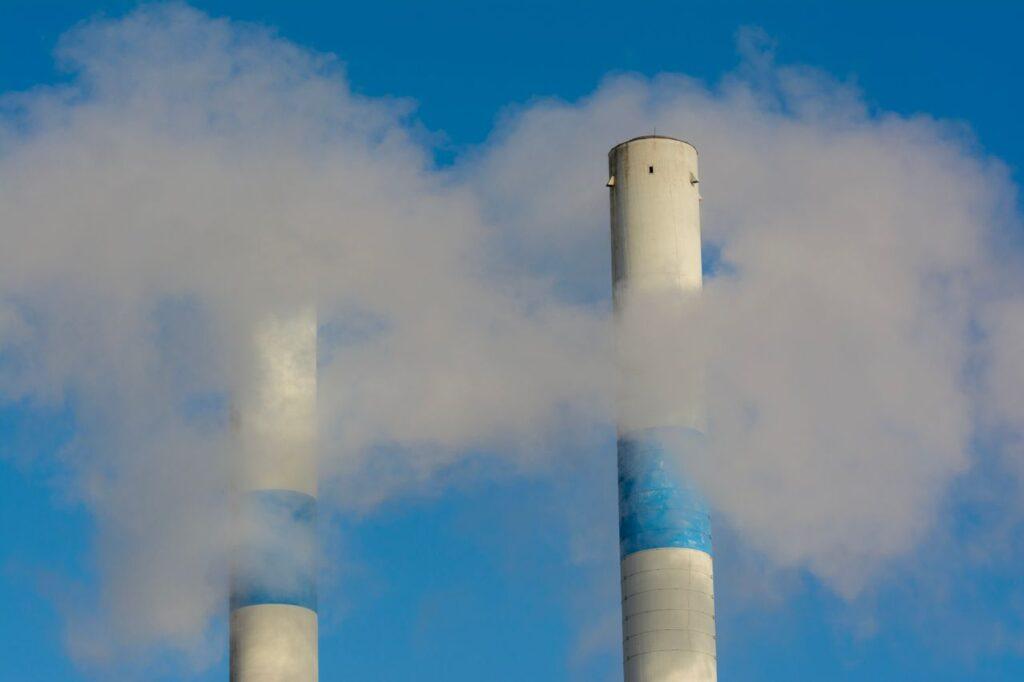
Photo by Jan van der Wolf: https://www.pexels.com/photo/photo-of-two-smoking-industrial-chimneys-against-a-blue-sky-14924344/