
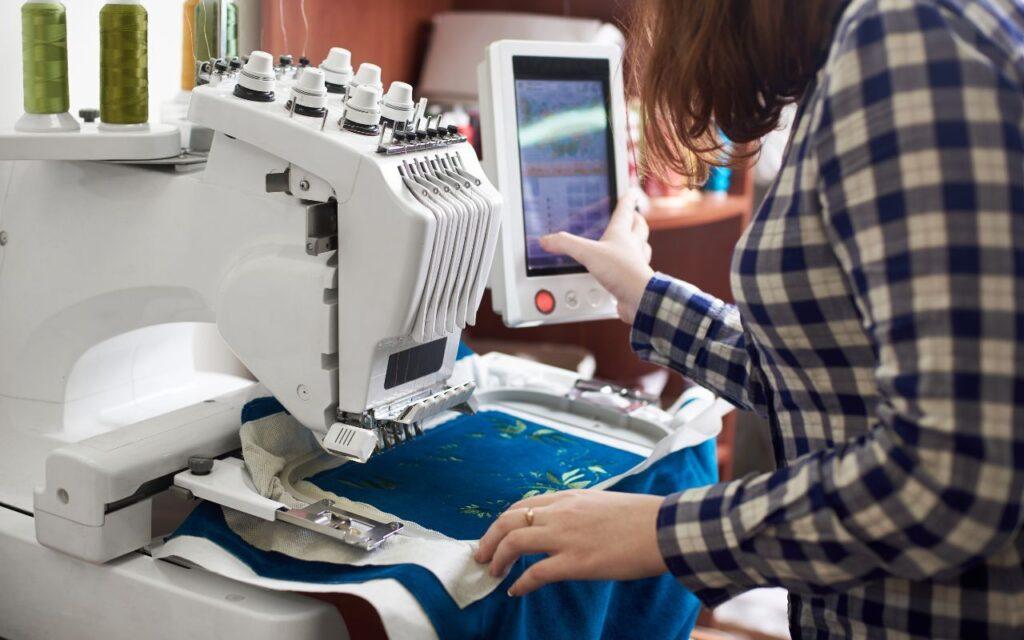
Success in machine embroidery starts with fabric selection, since the material directly affects stitch clarity and durability. When choosing the best fabrics for machine embroidery, you need to consider texture, weight, and how the fabric reacts under tension.
The right fabric supports the design without distortion, while the wrong one can lead to puckering or uneven stitching. Understanding these factors helps you achieve professional-looking results every time.
Understanding Fabric Stability
Fabric stability plays a major role in embroidery outcomes. Woven fabrics such as cotton and linen provide a firm structure that holds stitches in place. These materials resist shifting during stitching, which keeps designs aligned.
Knits, on the other hand, stretch easily and require extra care. Without proper support, they can distort under the needle. Selecting a stable fabric or pairing a less stable one with the right backing helps maintain design integrity.
Matching Fabric Weight To Design
The weight of the fabric should match the density of the embroidery design. Lightweight fabrics like batiste or voile work best with simple patterns that use fewer stitches. Heavier materials, such as denim or canvas, can handle dense designs without losing shape.
When the fabric weight and design complexity align, the finished embroidery looks balanced and smooth rather than strained or bulky.
Texture and Surface Considerations
Fabric texture influences how visible and clean stitches appear. Smooth surfaces allow fine details to stand out clearly, making them ideal for intricate designs. Textured fabrics can add visual interest but may hide smaller elements.
When embroidering on plush fabrics, such as fleece or terry cloth, the pile can cause stitches to sink. Using a topping stabilizer helps lift the design above the surface so it remains crisp and readable.
Choosing the Right Stabilizer Pairing
Even the best fabric benefits from proper stabilization. The stabilizer supports the material during stitching and prevents unwanted movement. Cut-away stabilizers work well with stretchy fabrics because they provide lasting support. Tear-away options suit stable woven fabrics that do not require reinforcement after stitching.
Matching stabilizer type to fabric ensures that the embroidery maintains its shape over time.
Considering Fabric Use and Care
Think about how you will use the finished item. Garments that undergo frequent washing need fabrics that can withstand repeated wear without weakening the embroidery.
Home decor items may allow for more delicate choices since they experience less stress. Pre-washing fabric also prevents shrinkage after stitching, which helps preserve the design’s proportions.
Making Confident Fabric Choices
Mastering fabric selection improves both the look and longevity of your embroidery projects. By focusing on stability, weight, and surface texture, you can avoid common issues and produce clean, consistent results.
When choosing the best fabrics for machine embroidery, a thoughtful approach ensures each design complements the material and enhances its overall appearance.