Eyeliner has a way of changing the entire mood of a makeup look with only a few small adjustments. A thin black line close to the lashes can make the eyes appear more defined and polished, while a softer, smoked-out shape can create a relaxed, lived-in finish that feels effortless. Despite how common eyeliner is in everyday makeup routines, many people still approach it as a one-style product rather than a flexible tool that can completely shift facial balance, eye shape, and overall appearance.
Part of the confusion comes from the sheer number of liner formulas and techniques now available. Pencil, gel, liquid, felt-tip, and shadow liners all behave differently on the skin, and each one supports a specific finish. A sharp wing that works beautifully with liquid liner may look harsh when recreated with a creamy pencil, while a smoky eye can lose dimension if the wrong texture is used.
Understanding how different eyeliner styles work makes it much easier to choose the right technique rather than following trends that may not suit the occasion, eye shape, or desired finish.
The Classic Wing and Why Precision Matters
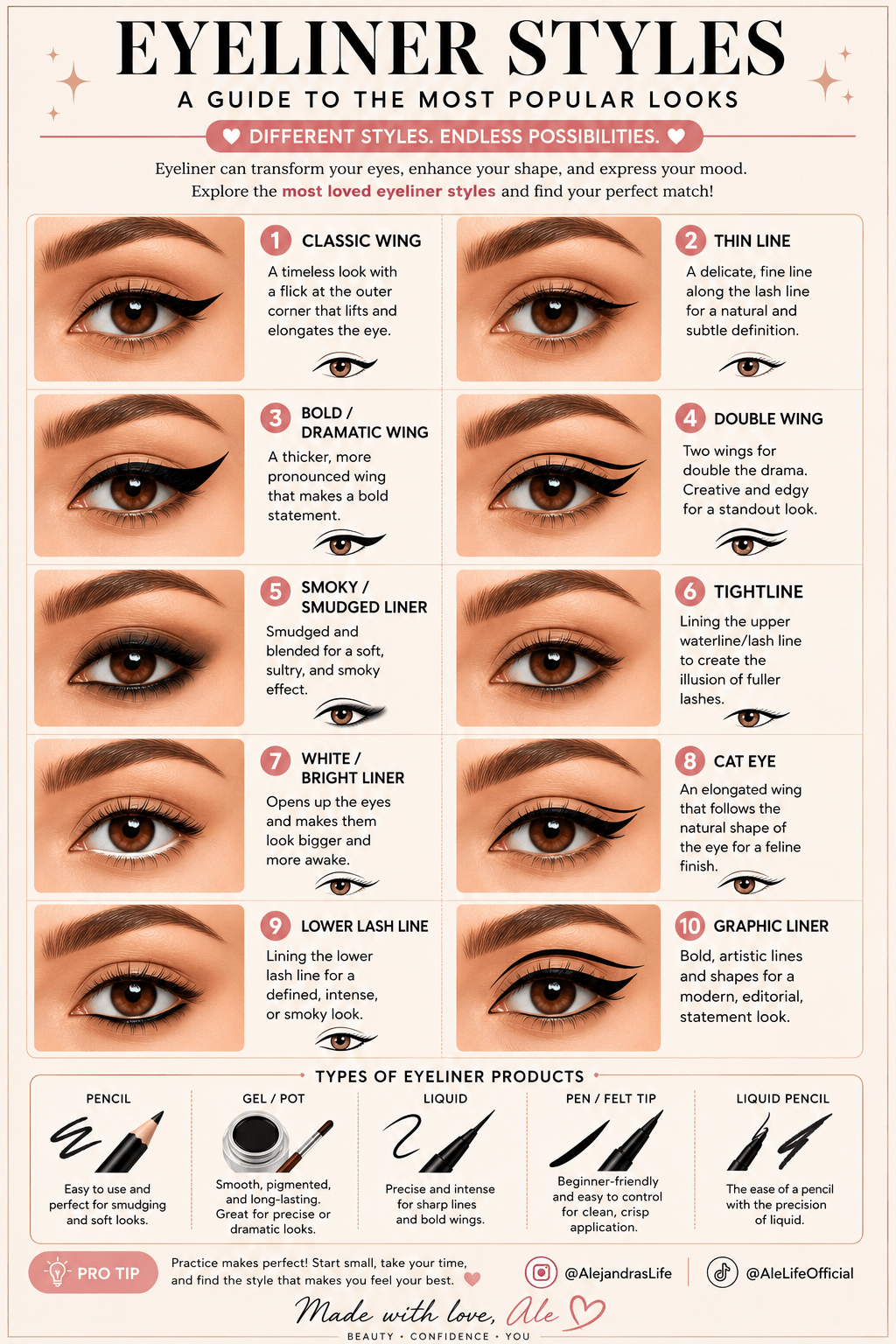
The winged eyeliner look remains one of the most recognisable makeup techniques because it creates structure with very little product. By extending the liner slightly upward at the outer corner of the eye, the shape visually lifts the eye area and adds definition without requiring heavy eyeshadow or dramatic lashes. The reason this style continues to work across decades of beauty trends is that it enhances natural eye contours rather than covering them.
Liquid eyeliner is usually the preferred choice for a classic wing because it delivers the crispest finish. Brush-tip and felt-tip liners both allow for sharp edges, although brush-tip formulas often offer more flexibility and control once mastered. Felt-tip pens tend to be easier for beginners because the shape of the applicator naturally guides the line. Gel eyeliner can also create a winged effect, but it generally produces a softer finish with slightly less precision.
Technique matters more than thickness when applying a wing. Many people assume a dramatic wing automatically looks better. Still, the most flattering liner often follows the natural angle of the lower lash line and stays proportionate to the eye itself. A wing that extends too far outward or upward can overpower smaller eyes and disrupt facial balance. Starting with thin layers and gradually building intensity usually creates a cleaner result than attempting one heavy stroke.
Tightlining is another technique commonly paired with classic eyeliner styles. Instead of drawing above the lashes, the liner is applied directly along the upper waterline to make lashes appear fuller without visible makeup. Pencil and waterproof gel formulas work best for this approach because they adhere more effectively to the moist inner rim of the eye.
Smoky and Smudged Liner Creates Softer Definition
Not every eyeliner style is meant to look precise. Smoky liner techniques rely on controlled imperfection to create depth and softness around the eyes. Instead of focusing on clean edges, this style diffuses pigment outward to create shadow and dimension. The effect tends to feel less formal than a sharp wing, which is why smoky liner is often associated with evening makeup, editorial looks, and more relaxed beauty styles.
Pencil liners are particularly effective for smoky techniques because their creamy texture allows blending before the product sets. Kohl pencils are especially popular since they are designed to smudge easily without skipping across the skin. After applying the liner close to the lashes, a small brush or cotton swab can soften the edges while keeping the darkest concentration of colour near the lash line.
Eyeshadow is frequently layered over pencil liner to lock the shape into place and increase depth. This combination matters because a pencil alone may fade or transfer throughout the day, especially on oily eyelids. Powder shadow absorbs excess moisture and creates a more dimensional finish that looks intentionally blended rather than messy.
The smoky approach also adapts well to different eye shapes because it does not rely on perfectly symmetrical wings. Hooded eyes, for example, often benefit from softly diffused liner because harsh graphic shapes can disappear beneath the fold of the lid. Smudged liner keeps definition visible even when the eyes are open naturally.
Brown, charcoal, plum, and bronze shades are commonly used for smoky liner because they create depth without the intensity of jet black liquid liner. This softer contrast can make the eyes appear larger and more natural, particularly in daylight settings.
Choosing the Right Liner Formula for Each Technique
The effectiveness of an eyeliner style depends heavily on using the correct formula for the intended result. Liquid liner is designed for sharp definition and strong staying power, which makes it ideal for graphic shapes, wings, and detailed work. It dries quickly and usually resists smudging, but that same quality also makes mistakes harder to correct.
Gel liner sits between liquid and pencil formulas in terms of flexibility. It offers richer pigment than most pencils while remaining blendable for a short period after application. Many makeup artists prefer gel formulas because they can create both structured and smoky looks depending on the brush and application method.
Pencil liners are generally the most forgiving option for beginners. They work well for soft daytime makeup, smudged effects, and waterline application. However, very creamy pencils may move throughout the day unless they are set with powder or paired with a long-wear formula.
Shadow liner techniques have also become increasingly popular because they create subtle definition without the heaviness of traditional eyeliner. Applying dark eyeshadow with an angled brush along the lash line creates a blurred effect that feels softer and more modern than a solid line. This technique is especially useful for mature skin because it avoids emphasising texture around the eyes.
Waterproof formulas are valuable for longevity, particularly in humid conditions or long events, but they can sometimes feel less blendable than standard liners. This is why many makeup artists apply regular liner first for shaping and then reinforce only key areas with waterproof product.
Finding a Style That Works in Real Life
The best eyeliner style is rarely the most dramatic one. In practice, successful eyeliner depends on how well the technique complements eye shape, comfort level, and daily routine. A sharply defined wing may look striking in photographs, but a softly smudged liner can feel more wearable for long workdays or casual settings. Likewise, someone who values quick makeup routines may prefer pencil or shadow liner over liquid formulas that require more precision.
Understanding the purpose behind each style makes experimentation far less frustrating. Wings create lift and structure, a smoky liner adds depth and softness, and tightlining enhances lashes without obvious makeup. Once these differences become clear, eyeliner stops feeling like a difficult skill reserved for professionals and becomes a practical tool for shaping the overall balance of a makeup look.
Rather than focusing on trends alone, it is more useful to think about how texture, intensity, and shape interact with the natural features of the face. That approach leads to eyeliner choices that feel intentional, flattering, and far easier to wear consistently.
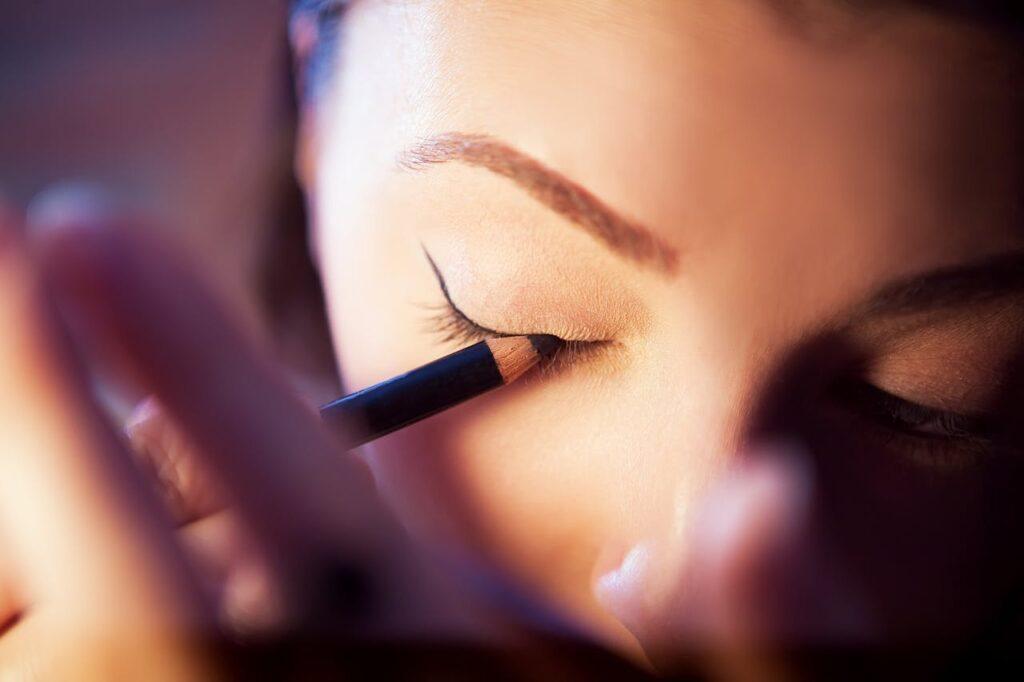
Photo by Aleks: https://www.pexels.com/photo/a-woman-applying-an-eyeliner-6713322/