
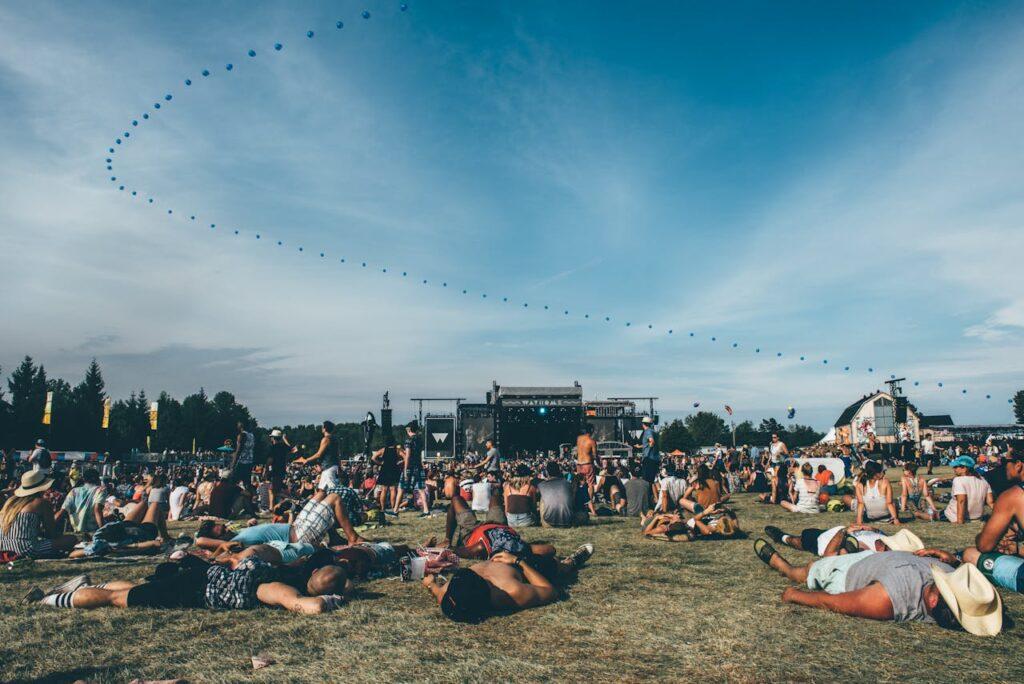
Major events pull together people, schedules, logistics, money, and emotion. When they work, they feel effortless. Behind the scenes, though, success depends on decisions that begin long before the first guest arrives.
Four essentials guide that path and help organisers deliver an occasion worth remembering.
Start With Purpose And Audience
Every detail flows from why the event exists and who it is for. A fundraising gala for industry donors asks for a different tone than a community festival or a product showcase. Clarifying the objective lets planning conversations focus. With purpose set, the audience profile fills in the rest.
Their expectations around formality, mobility, timing, and content drive choices on venue, programming, and hospitality. When organisers skip this step, they make guesses and chase trends. Clarity saves time and keeps the entire production coherent.
The Venue Is The Stage
The venue shapes the guests’ experience. Look first at access. How close is parking, public transit, and drop off? A site that looks attractive in a brochure can frustrate attendees if it takes 30 minutes to walk from the lot to the doors. Next, evaluate the infrastructure. A big room is not enough. Sound, lighting, electrical capacity, Wi Fi reliability, and restrooms matter more than décor. Outdoor sites introduce weather and terrain risk, so create shelter options, flooring plans, and quick drainage routes. The goal is not perfection; it is resilience. A venue ready to flex keeps momentum alive when the unexpected happens.
Safety And Health Expectations
Large gatherings demand professional safety planning. Crowds flow in waves, and those flows need design. Entrance lanes, credential checks, staircases, elevators, and exits should feel intuitive, not like puzzles. Medical coverage is part of that same mindset.
Large events increase the likelihood of incidents and should contract qualified providers like Outdoor Medical Solutions to ensure timely care and emergency services if needed. Security teams, local fire departments, and insurance carriers often require detailed plans, so build them early. A safe event feels relaxed because the structure holds quietly in the background.
Program The Experience
Good programming does not overload guests with information or idle time. It gives them movement, choice, and delight. For conferences, sequence keynote sessions with workshops and social breaks. For festivals, spread stages and booths so discovery feels natural. Food and beverage service deserves its own strategy.
A single concession point is inexpensive to manage but forces long lines that sour the mood. Multiple smaller stations reduce congestion and allow thematic experimentation. Keep announcements brief. Deliver clear schedules through apps, printed cards, or boards so people can make decisions without hunting for staff. The experience should feel guided, not controlled.
Bringing It Together
Successful major events treat planning as a system rather than a set of tasks. Purpose drives the audience. Audience drives venue and programming. Safety wraps around everything.
The payoff shows in the small details that guests rarely notice: clean flow at the doors, confident staff, comfortable seating, food that arrives before hunger turns to annoyance, and a program that moves at a human pace. These choices make the difference between a gathering that felt good and one that people talk about for years.
Photo by Harrison Haines: https://www.pexels.com/photo/photo-of-people-laying-on-grass-3536238/