
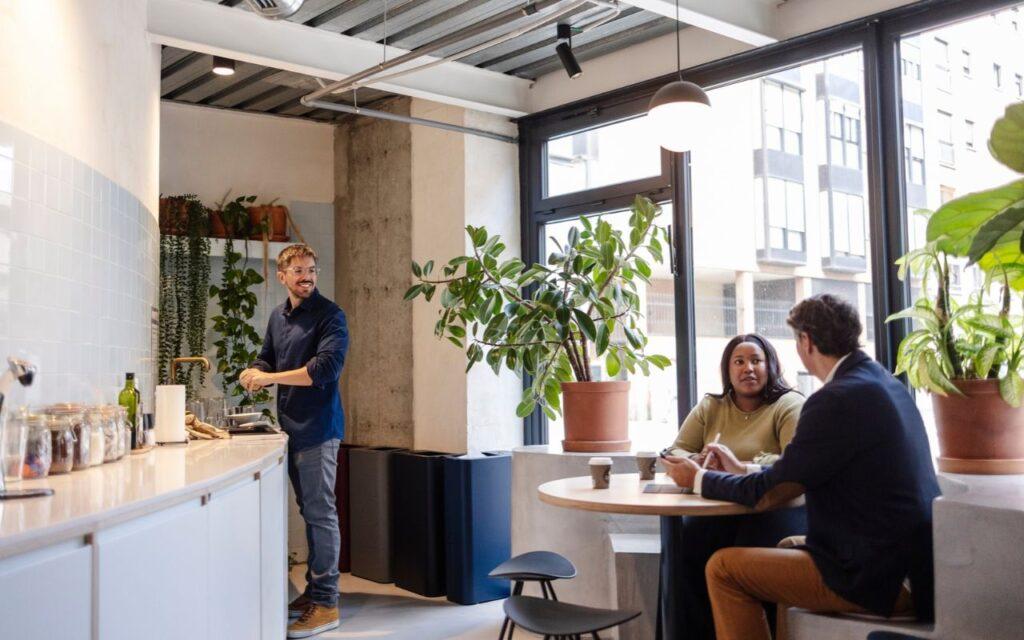
Creating a comfortable workplace while reducing environmental impact doesn’t have to be complicated. Employees want an environment where they can feel productive, relaxed, and supported, while businesses are increasingly looking for ways to operate more responsibly. Fortunately, these priorities complement each other when the right changes are made.
Understanding how to balance employee comfort with workplace sustainability involves making thoughtful decisions about office design, energy consumption, everyday resources, and employee wellbeing. From improving natural lighting to encouraging sustainable hydration habits, businesses can create welcoming workspaces that benefit their teams and the environment.
Make Natural Lighting a Priority
Lighting has a significant influence on workplace comfort, productivity, and energy consumption. Poor lighting can contribute to eye strain and fatigue, while excessive artificial lighting increases electricity usage. Making better use of natural daylight is a simple way to improve working conditions while reducing energy consumption.
Whenever possible, desks and shared workspaces should be positioned to benefit from natural light without creating glare on computer screens. Adjustable blinds help employees manage brightness throughout the day, while energy-efficient LED bulbs provide reliable lighting when daylight is insufficient. Installing motion sensors in meeting rooms and other less frequently used spaces further reduces electricity waste without affecting employee comfort.
Maintain a Comfortable and Energy-Efficient Temperature
Finding a comfortable office temperature can be challenging because employees have different preferences. Some people work better in cooler environments, while others prefer warmer surroundings. Constantly adjusting heating and cooling systems to accommodate individual preferences increases energy consumption without necessarily improving overall comfort.
A more practical approach involves maintaining heating and cooling equipment, improving insulation, and using programmable thermostats to regulate temperatures efficiently. Businesses can also introduce flexible dress codes and provide access to different working areas where possible. These adjustments allow employees to manage their personal comfort while helping the workplace avoid unnecessary energy use.
Encourage Sustainable Hydration Habits
Access to clean drinking water is an important part of maintaining a comfortable and supportive working environment. Employees who can easily refill their bottles throughout the day are more likely to stay hydrated without relying on disposable plastic bottles.
Introducing refillable drinking stations is a straightforward way to make hydration more convenient while supporting environmental goals. Understanding how water dispensers make offices more eco-friendly can help businesses consider the role of refillable water systems in reducing single-use packaging and encouraging more sustainable daily habits.
Positioning water dispensers in accessible communal areas, encouraging reusable bottles, and maintaining clean drinking stations can make a meaningful difference. These improvements allow employees to enjoy convenient access to water while making environmentally responsible choices part of their everyday routines.
Invest in Sustainable and Ergonomic Office Furniture
Comfortable furniture is essential for employees who spend much of their working day sitting at desks. Poorly designed chairs and workstations contribute to physical discomfort, affecting concentration and overall well-being. Choosing ergonomic furniture helps create a more supportive environment, while sustainable purchasing decisions reduce consumption.
Businesses should consider adjustable chairs, desks, and monitor stands that accommodate different working preferences and physical needs. Selecting durable furniture made from responsibly sourced materials can also reduce the frequency of replacements. Rather than purchasing new items whenever office layouts change, businesses can explore repairing, refurbishing, or reusing existing furniture. These choices support long-term comfort while helping reduce waste and purchasing costs.
Improve Indoor Air Quality
Indoor air quality plays an important role in creating a pleasant working environment. Poor ventilation, accumulated dust, and certain cleaning products can make offices feel uncomfortable, particularly when employees spend several hours indoors each day. Improving air quality supports employee well-being while encouraging more responsible building maintenance.
Regularly maintaining ventilation systems, replacing air filters when necessary, and choosing cleaning products with lower emissions of volatile organic compounds can help create healthier indoor conditions. Keeping ventilation openings unobstructed is equally important for maintaining proper airflow. Indoor plants can also make offices feel more welcoming and visually appealing, although they should complement rather than replace effective ventilation.
Reduce Workplace Waste
Reducing office waste is easier when sustainable practices fit naturally into existing routines. Employees are more likely to adopt environmentally responsible habits when they are convenient and don’t create additional difficulties during busy working days.
Businesses can introduce clearly labeled recycling bins, encourage digital document sharing, and make double-sided printing the default option. Shared kitchens also offer opportunities to reduce waste by replacing disposable cups, plates, and cutlery with reusable alternatives. Encouraging employees to bring reusable lunch containers can further reduce packaging.
The aim should be to make sustainable choices practical rather than restrictive. When employees have easy access to environmentally friendly alternatives, small individual actions collectively contribute to a more responsible workplace.
Introduce Flexible Working Arrangements
Workplace sustainability extends beyond office furniture, electricity usage, and recycling. Employee commuting patterns and working arrangements also influence a business’s environmental impact, making flexibility an important consideration.
Where job responsibilities allow, hybrid working, flexible start times, and occasional remote working days reduce commuting demands while giving employees greater control over their schedules. These arrangements improve work-life balance and reduce the stress associated with traveling to work.
However, the environmental benefits depend on factors such as commuting distances, home energy consumption, and how efficiently office buildings operate. Businesses should consider both employee preferences and operational requirements when developing flexible working policies.
Involve Employees in Sustainability Decisions
Employees are more likely to support workplace sustainability initiatives when they feel involved in the decision-making process. Because they experience the working environment firsthand, they can often identify practical improvements that management may overlook.
Businesses can encourage participation through employee surveys, team discussions, and voluntary sustainability activities. Suggestions might include improving recycling facilities, adjusting lighting arrangements, or identifying opportunities to reduce energy consumption. Recognizing positive changes can also encourage continued participation and help sustainability become part of the workplace culture.
Creating a More Comfortable and Sustainable Workplace
A sustainable workplace doesn’t need to be expensive, uncomfortable, or difficult to maintain. Many effective improvements involve practical changes that make everyday working life easier while reducing environmental impact.
Ultimately, balancing employee comfort with workplace sustainability comes down to recognizing that employee well-being and environmental responsibility can work together. By investing in efficient resources, creating supportive working conditions, and involving employees in meaningful decisions, businesses can build workplaces that are comfortable, productive, and better prepared for a sustainable future.