
UNESCO World Heritage sites are often associated with scale, recognition, and, increasingly, crowds. Places like Rome, Machu Picchu, or Angkor Wat dominate travel itineraries, shaping the idea that cultural significance must come with visibility and volume. Yet this perception only reflects part of the picture.
As David Pettitt of Pettitts Travel explains, there is “a quieter side of the UNESCO World Heritage list,” one that offers equally rich experiences without the intensity of mass tourism. These destinations aren’t less important, but simply less obvious.
For travellers willing to look beyond familiar names, they reveal a different way of engaging with history, one that feels more personal, immersive, and unhurried.
Where History Feels Closer
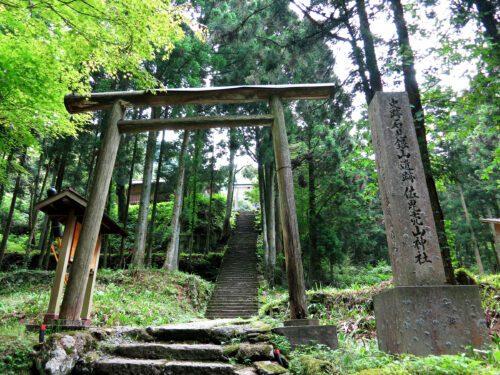
Some of the most compelling UNESCO sites are those where history is not staged, but embedded in the landscape and daily life. Iwami Ginzan Silver Mine is a strong example of this. Hidden within forested mountains, the site invites visitors to explore an industrial past that has been preserved in harmony with its natural surroundings. Rather than monumental architecture, the experience unfolds through trails, old mine shafts, and nearby Omori Town, where shrines and traditional buildings remain part of the living environment.
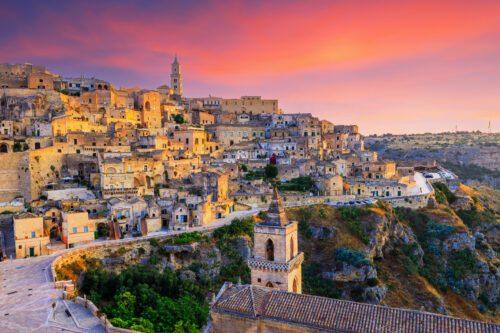
A similar sense of continuity can be found in Matera. Often overlooked in favour of Italy’s more famous cities, it is described in the press release as a place to “swap Rome for one of Europe’s oldest living cities.” Its defining feature, the Sassi di Matera, is not a single landmark but an entire landscape of cave dwellings carved into rock. The architecture is inseparable from the terrain, creating a setting where past and present coexist without clear boundaries.
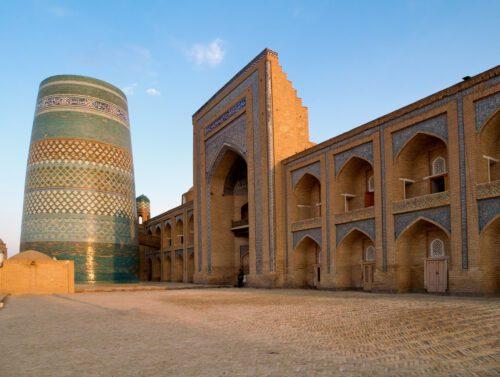
In Khiva, history takes on a more enclosed form. The walled inner city of Itchan Kala preserves centuries of Silk Road heritage within mud-brick ramparts. Here, the press release suggests travellers can “swap crowded cities for Silk Road stillness,” a description that captures the atmosphere of narrow streets, turquoise minarets, and courtyards where daily life continues at a measured pace.
Slower Travel as a Cultural Experience
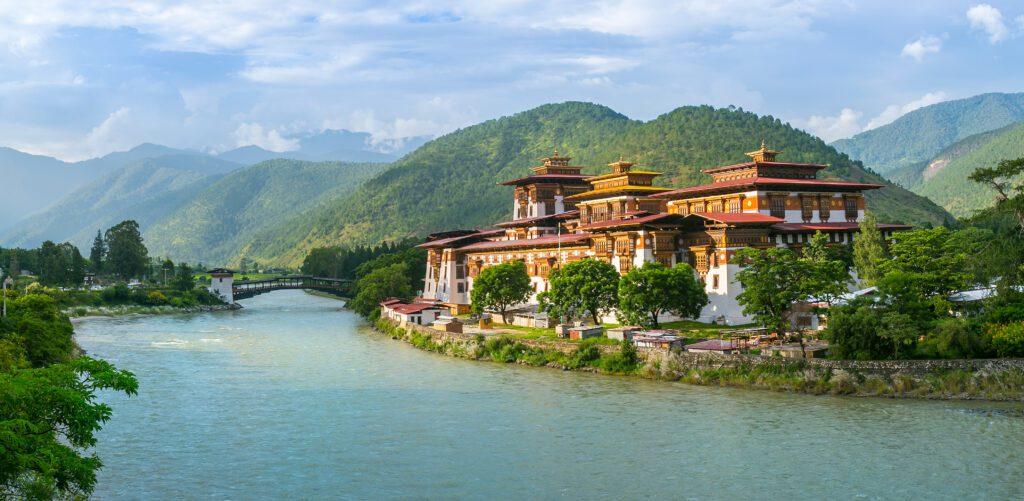
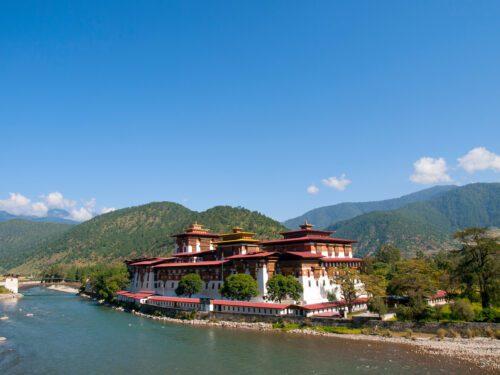
What connects these destinations is not just their relative obscurity, but the way they encourage a slower form of travel. In Punakha Dzong, for example, the experience is shaped as much by setting as by structure. Positioned at the meeting point of two rivers, this monastery is described as a place to “swap bucket-list hotspots for mindful travel.” Its significance lies not only in its architecture, but in its continued role within Bhutan’s cultural and spiritual life.
That same sense of space and reflection defines Hampi. Once the capital of a vast empire, it now exists as a sprawling landscape of ruins, temples, and stone structures scattered across open terrain. The Vijaya Vitthala Temple stands as one of its most intricate sites, yet the broader experience is not confined to a single monument. It is about moving through the remnants of a lost city at a pace that allows its scale and history to gradually unfold.
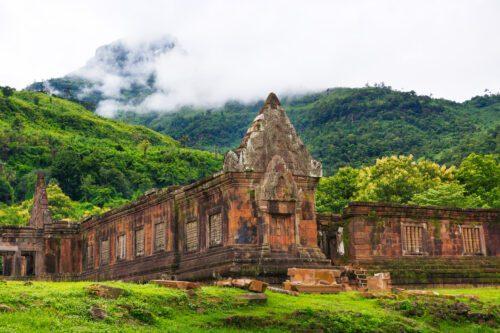
In Southeast Asia, Vat Phou offers a contrasting dynamic. Set against a mountainous backdrop, it provides what the press release describes as “a deeply special experience” shaped by quiet and openness. Unlike more visited temple complexes, its atmosphere is defined by stillness, allowing visitors to engage with the site without distraction.
Discovering Depth Beyond the Obvious
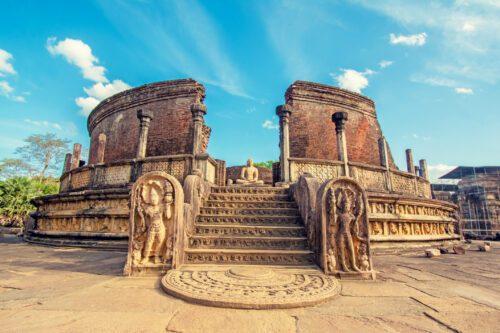
Perhaps the most telling example of this quieter approach is Polonnaruwa. Often overshadowed by other destinations in Sri Lanka, it offers an alternative way to experience the country’s history. The press release highlights how it is “often explored by bicycle,” a detail that reflects its scale and accessibility. Moving through tree-lined paths, visitors encounter temples, royal structures, and the iconic Gal Vihara statues in a setting that feels both expansive and intimate.
This kind of experience challenges the idea that travel must be defined by major highlights. Instead, it suggests that depth often comes from places where time, space, and context are allowed to interact more naturally.
Choosing Quiet Over Crowded
The appeal of these lesser-known UNESCO sites lies in what they remove as much as in what they offer. By stepping away from heavily visited destinations, travellers gain access to environments where history is not filtered through crowds or constrained by tight schedules.
As highlighted in the press release, these places “reward adventurous travellers” not with spectacle, but with clarity. They allow for a more direct connection to the cultural and historical layers that define them, without the distractions that often accompany more popular sites.
In that sense, choosing these destinations is not about avoiding famous places altogether. It is about recognising that the UNESCO list holds far more than its most recognisable names. Beyond the usual маршруtes, there is a quieter, more nuanced world of heritage waiting to be explored, one that reveals itself fully only when given the time and attention it requires.
All images credit: Pettitts Travel