
If you are visiting London, one of the main things you should know about it, and probably already do know, is that it is a key destination for food lovers. London’s food scene in 2026 is trending, and we know why.
It’s a quiet list of “best places” and a circuit within neighbourhoods, old institutions being reborn with a new face, and kitchens constantly borrowing ideas from everywhere else.
The trick is learning how to move through the city the way Londoners actually eat: loosely planned, slightly improvised, and always with room for something unexpected.
Starting Your Route
Start around Covent Garden and the West End, where theatre-going culture still shapes how people eat. This is where pre-show dining keeps everything in motion: quick but well-made plates, busy dining rooms, and menus designed to be flexible. Just off The Strand, you’ll find exactly that kind of rhythm.
The area works because it sits between multiple worlds: the legal quarter, the river, and the theatre district. Restaurants here end up serving everyone from late-lunch office crowds to visitors heading into a show. In terms of restaurants on The Strand itself, there’s a mix that captures London’s current identity quite neatly.
-

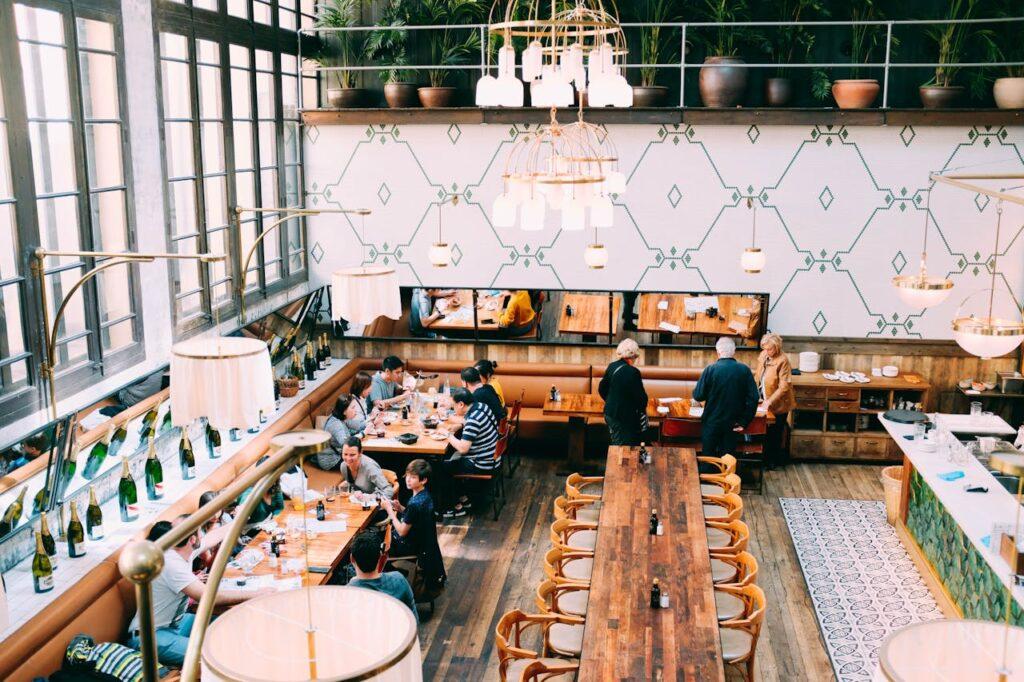
Photo by Cihan Yüce: https://www.pexels.com/photo/people-at-restaurant-12181619/
Back East & South
Head east and the tone changes again. Shoreditch, Bethnal Green, and Dalston are where chefs tend to experiment before settling into something more permanent. You’ll find a lot of Italian-influenced cooking, Southeast Asian kitchens, and hybrid menus that don’t really belong to one tradition.
This part of the city is also where you see the strongest sense of “eat what’s fresh, not what’s expected”, places opening quietly, building word-of-mouth marketing, and then suddenly becoming essential.
South of the river, things feel looser still. Peckham and Brixton are where affordability and ambition meet most visibly. The food here is rich in flavour, big in seasoning and generous portions, and less ceremony.
The Big Picture
To actually experience London properly, it helps to mix those layers in a single day. You might start with a coffee and pastry in a bakery-led café concept, move into a long lunch in a modern bistro, then finish with something more atmospheric near the river or in a theatre district.
The city rewards originality. And that’s really the core of it. London in 2026 isn’t trying to present one unified food identity. It’s a stack of overlapping scenes: heritage restaurants still refining centuries-old dishes, experimental kitchens treating dinner like a workshop, and neighbourhood spots quietly building loyal followings.
Going West
Move slightly west, and you hit Soho and Mayfair, where dining becomes more about atmosphere and confidence. This is where high-end tasting menus, maximalist interiors, and destination restaurants cluster together.
In here, it’s not just about precision cooking; it’s about theatre. Some recent openings in this zone lean into bold design and indulgent presentation, reflecting a broader shift in London dining toward experience-led meals where visuals and energy matter as much as flavour.
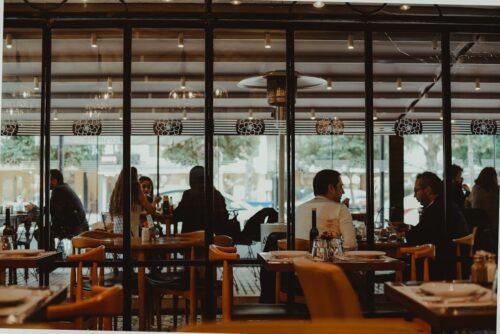
Photo by Adrien Olichon: https://www.pexels.com/photo/people-in-a-bar-2387675/