
updated 2026
Designing a modern home is often associated with clean lines, minimal aesthetics, and updated finishes, yet many spaces that look contemporary fail to function well in everyday life. A home can appear well-designed while still creating inefficiencies, whether through poor lighting placement, inadequate storage, or disconnected systems that do not work together. The result is a space that looks good but feels inconvenient to live in.
A more effective approach focuses on how the home actually supports daily routines. When utilities such as lighting, heating, storage, and smart systems are planned alongside the layout, the space becomes easier to use and more adaptable over time. This integration not only improves comfort but also reduces unnecessary energy use and simplifies everyday tasks without adding complexity.
What Modern Utilities Mean in Home Design
Modern utilities are not just about adding new technology, but about improving how a home functions. These systems are designed to increase efficiency, reduce effort, and create a more responsive living environment.
They often include smart lighting systems that adjust based on use, heating and cooling controls that optimise temperature, energy-efficient appliances, and integrated storage solutions that reduce clutter. The goal is to create a home where essential systems work together rather than operating independently.
Planning Layout and Function Together
A well-designed layout should reflect how people move and interact within the space. This means considering how different areas connect and how easily you can access key utilities. For example, the placement of lighting, outlets, and storage should align with how each room is used rather than being added as an afterthought.
When movement between spaces is smooth and intuitive, daily tasks require less effort. Kitchens, living areas, and workspaces benefit most from this approach, as they are used frequently and require consistent functionality. Planning layout and utilities together ensures that the home supports real-life use rather than just visual appeal.
Integrating Smart Home Technology
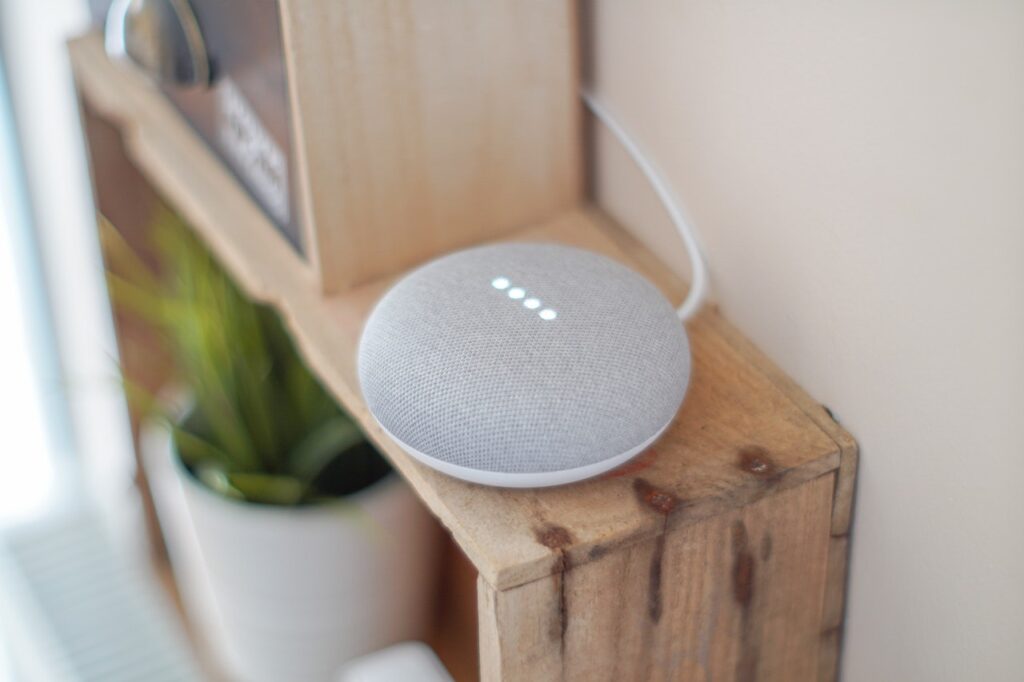
Smart home technology has become a central part of modern design, offering greater control and convenience. Automated lighting systems can adjust based on time of day or occupancy, while smart thermostats regulate temperature more efficiently. Security systems can also be integrated to provide real-time monitoring and alerts.
The value of these systems lies in how seamlessly they fit into the home. When implemented correctly, they simplify daily routines rather than complicate them. The focus should be on choosing practical solutions that enhance usability rather than adding features that are rarely used.
Energy Efficiency and Cost Control
Energy efficiency is one of the most important aspects of modern home design, as it directly affects both environmental impact and long-term costs. Using energy-efficient appliances and LED lighting reduces overall consumption, while proper insulation helps maintain stable indoor temperatures.
Guidelines from the U.S. Department of Energy highlight how efficient systems can significantly lower energy use over time. While some upgrades may require an initial investment, the long-term savings often outweigh the upfront cost. A well-designed home should aim to minimise waste while maintaining comfort.
Storage and Space Optimization
Storage plays a critical role in how functional a home feels. Without adequate storage, even a well-designed space can quickly become cluttered and difficult to manage. Built-in storage solutions help maximise available space, while multi-purpose furniture allows rooms to serve more than one function.
An organised layout ensures that everyday items are easy to access without disrupting the overall design. This approach not only improves usability but also contributes to a cleaner and more efficient living environment.
Balancing Design and Practical Use
A modern home should achieve a balance between appearance and functionality. Prioritising aesthetics alone can lead to design choices that look appealing but are difficult to maintain or use. Durable materials and simple layouts often provide better long-term value than more complex or fragile options.
Keeping the design straightforward and purpose-driven ensures that each element contributes to the overall usability of the space. When function and design are aligned, the home becomes both visually appealing and practical.
Common Mistakes to Avoid
One of the most common mistakes is focusing on appearance without considering how the space will be used. This often leads to layouts that look good but do not support daily routines. Overcomplicating smart systems is another issue, as it can make them difficult to use consistently.
Poor planning of utilities, such as inadequate lighting or poorly placed outlets, can create long-term inconveniences. A lack of storage further reduces functionality, making the space harder to maintain. Avoiding these mistakes requires a balanced approach that prioritises both design and usability.
FAQ
What are modern utilities in a home?
They are systems that improve efficiency, control, and overall functionality, including lighting, heating, and smart technologies.
Is smart home technology necessary?
It is not essential, but it can significantly improve convenience and efficiency when used effectively.
How can I make my home more efficient?
Focus on energy use, layout planning, and integrating systems that support daily routines.
Do modern homes cost more to build?
Initial costs may be higher, but improved efficiency often leads to long-term savings.
Designing for Everyday Living
A modern home is not defined by how it looks, but by how well it works. When utilities, layout, and design are integrated from the start, the result is a space that supports daily life without unnecessary effort. Each decision, from lighting placement to storage solutions, contributes to a more efficient and comfortable environment.
By focusing on practicality as much as aesthetics, you create a home that adapts to your needs over time. This approach not only improves how the space functions today but also ensures it remains useful and relevant in the future.