
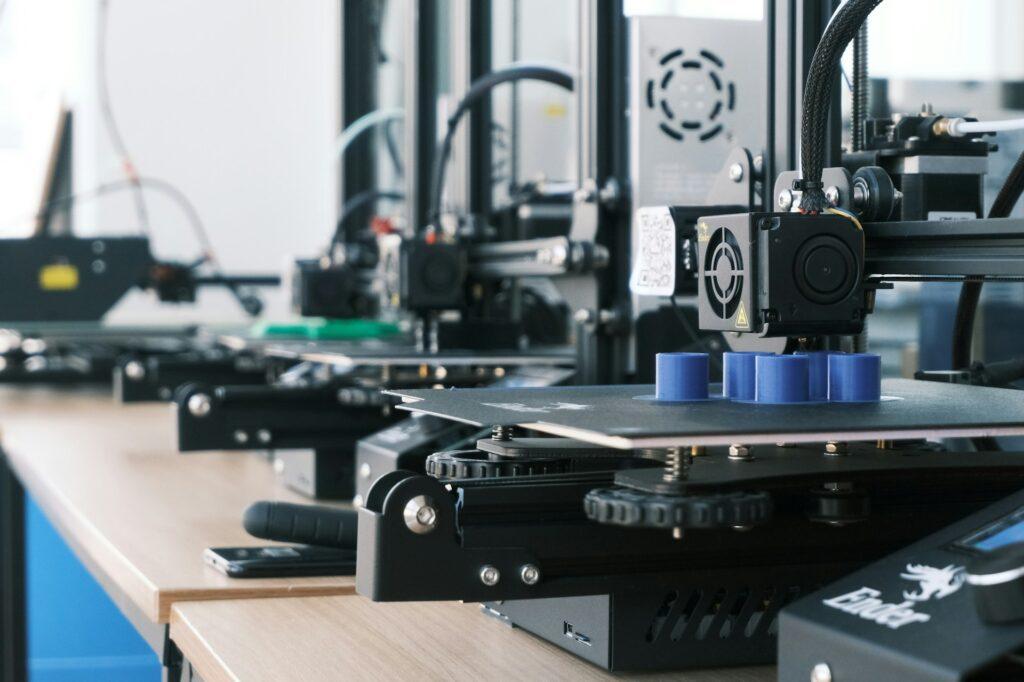
People love the idea of building something real. Physical products. Machines humming. Orders are going out the door. It feels bold and ambitious in a way that running a laptop business just doesn’t.
But getting started in manufacturing gives you a serious reality check. Rent. Machinery. Staff. Insurance. Suddenly, the dream looks expensive and a bit terrifying. That’s the part no one glamorises. The risk is real, but that doesn’t mean you have to walk into it blind.
Start Smaller Than Your Ego Wants To
It’s easy to think you need a full warehouse and a line of brand-new machines to be taken seriously. That mindset can drain your bank account fast. You don’t have to prove anything to anyone on day one.
Instead of going all in, think about what the minimum version looks like. One core product. A smaller space. A limited production run. Test demand before scaling. It might feel like holding back, but it’s actually discipline.
Plenty of manufacturing startups fail because they build for the future before proving the present. If you can produce, sell, and repeat on a smaller scale, you’ve got something solid. Grow from there.
Be Smart About Equipment Choices
Heavy machinery is where costs spiral. It’s tempting to buy everything outright because it feels like investing in your business properly. But ownership isn’t the only route.
In many cases, equipment hire is a more affordable alternative, especially during the early stages. It gives you flexibility. If orders fluctuate or your product evolves, you’re not stuck with a giant machine collecting dust.
Hiring also buys you time. Time to learn. Time to refine your processes. Time to understand what you actually need rather than what you assumed you’d need. That breathing room reduces pressure more than people admit.
Protect Your Cash Flow Like Your Life Depends On It
Revenue might look great on paper. But cash flow is what keeps the lights on. Manufacturing often means buying materials before you get paid. That gap can stretch you thin.
So you have to get serious about terms and timelines. Negotiate payment schedules. Keep overhead tight. Avoid stacking too many fixed costs early on. It’s not glamorous, but it keeps you steady.
This is also where you stop pretending you can “just deal with it” if things get tight. Manufacturing isn’t forgiving. A missed payment or delayed order can snowball quickly. Planning for slower months makes the faster ones more enjoyable.
Build Systems Before You Build Scale
Growth sounds great until you realise it magnifies your mistakes. If your processes are messy at ten orders a week, they’ll be chaos at a hundred.
Before expanding, tighten your workflow. Document how things are done. Train staff properly. Track costs closely. Risk drops when you understand your own operation inside out.
This is usually when founders realise risk isn’t just about money. It’s about rushing. Slow, controlled growth feels boring compared to explosive expansion. But it’s the boring discipline that keeps you in the game long enough to succeed.
Photo by Minku Kang on Unsplash