
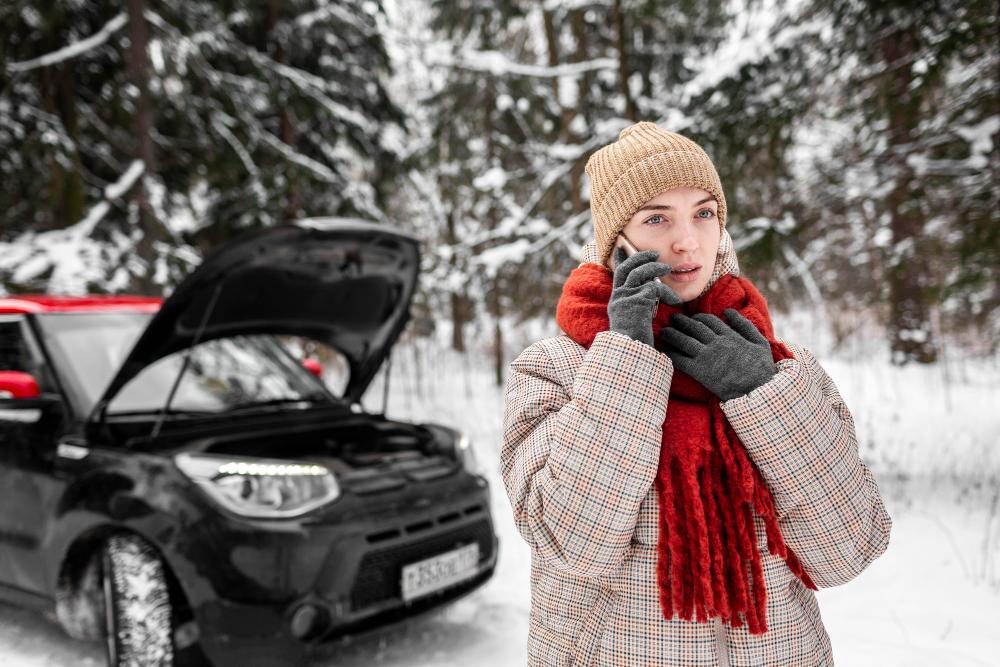
Winter car problems are pretty common in places that experience cold weather, such as certain parts of the US, the UK and Eastern Europe. However, you don’t have to let Jack Frost have the last laugh when you know what problems it can cause, so you can prepare for them this winter. From issues with the alternator to thickened engine fluids, here are a few to watch out for.
The Batteries Have Died
Not many things can kill a car battery more than the freezing cold. How the car battery works is that it must hold a charge that is used for powering the electronics of the vehicle. However, car batteries are unable to hold a charge as well at freezing temperatures, which can make it harder to start the vehicle. Additionally, you will typically use more of the battery’s power when it’s cold for things like fog highbeams, heating the car and defrosters, which increases breakdowns.
Issues with the Alternator
Rotation can create an electrical current that is then used to power certain features of a car, including starting the engine. The alternator is responsible for this as it turns mechanical energy into electrical energy. However, the alternator can get worn out and old, and won’t be able to provide enough energy for the vehicle. In winter, the alternator has to work much harder and can cause problems like dimming lights if it fails in its job to fully charge up the battery.
Winter Car Problems due to Freezing
The most common cause of winter callouts for a breakdown is battery issues, at between 24% to 35% per year. However, they aren’t the only things that can prevent a car from working properly. Of course, choosing the right car matters, especially if you live in a place with a cold climate, steep hills, and snowy weather. Water and moisture in fuel lines can freeze and cause blockages. However, small components like door locks and handbrakes can freeze in place.
Thickened Engine Fluids
There are many fluids a car relies upon, such as oil, fuel, and brake fluid. When the weather hits freezing temperatures, these can thicken, which makes it harder for the engine to pump them where they need to be. When fluids can’t reach their destinations, the car can act up and may even cause engine strain through wear and tear. To combat this, you can use car covers and gently warm up the engine for five or ten minutes before you set off to where you need to go.
Tire Pressure has Dropped.
Tires are among the most vital parts of a car because they do more than provide grip. Tires work to keep a car stable and help the steering become more efficient. They also provide grip when cornering and braking. So they are perhaps the most critical part of safe driving. However, they can be damaged by cold weather. When a tyre gets too cold, the pressure can drop significantly. This reduces the grip on the road, which in turn results in your car becoming dangerous.
Conclusion
Dead batteries are a common winter car problem that most people face at some point. You may also have car trouble in winter because of frozen fluids and car parts. However, you may not know that the cold weather can also reduce the pressure of the tires, resulting in less traction.