
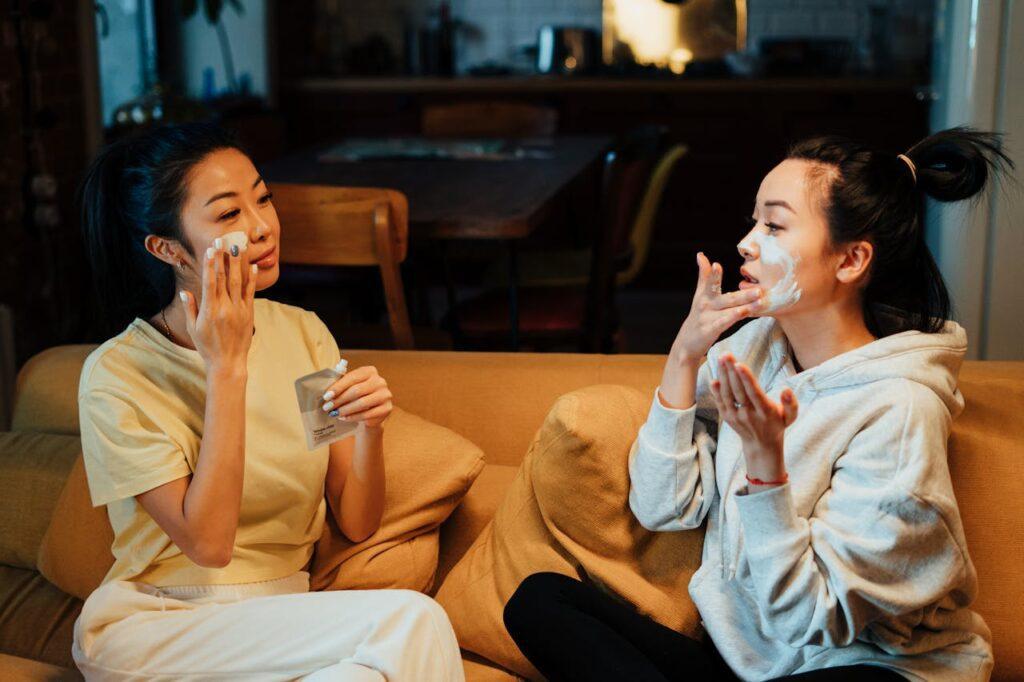
The Korean 10-step skincare routine has become a bit of a global sensation, promising radiant, healthy skin for anyone willing to put in the effort. But, let’s be honest, ten steps can sound like a lot—almost intimidating, right? Truth is, while this lengthy routine works wonders for some, you can still get great skincare results with a simpler routine that’s actually tailored to your skin’s needs.
Every step in the Korean routine is meant to tackle a specific skin concern, from cleansing all the way to moisturizing. But does everyone really need every single step? That depends on your skin type, your lifestyle, and honestly, your patience. A thorough routine can be great, but it’s worth asking yourself if you’ll actually keep up with it day after day.
As skincare trends keep evolving, it helps to understand the purpose behind each step in the Korean method. Plenty of people end up tweaking the routine, borrowing the parts that work for them, and still see their skin improve—no need to commit to all ten steps if you don’t want to.
What Is The Korean 10-Step Skincare Routine?
The Korean 10-step skincare routine is all about deep cleansing and serious hydration. It’s gained traction worldwide because, well, it’s pretty detailed and thorough.
Origins and Philosophy
This routine has its roots in old-school Korean beauty practices, where the focus is more on skin health than covering up with makeup. K-beauty is all about prevention and long-term care, not just quick fixes. There’s a real emphasis on natural ingredients and creative new formulas, all aiming to give you that glowy, dewy look.
Cultural Roots: In Korea, skincare isn’t just a chore—it’s almost a daily ritual, something people genuinely look forward to.
Key Steps and Products
There are ten main steps, each meant to do something different for your skin. Here’s the basic rundown:
- Oil Cleanser: Melts away makeup and grime.
- Water-Based Cleanser: Washes off what’s left behind.
- Exfoliator: Gets rid of dead skin cells (but don’t overdo it—2-3 times a week is plenty).
- Toner: Helps balance your skin’s pH.
- Essence: Adds hydration and preps your skin for what’s next.
- Serum: Targets whatever your main skin issues are.
- Sheet Mask: A quick hydration boost.
- Eye Cream: Tackles dark circles and puffiness.
- Moisturizer: Seals in all that moisture.
- Sunscreen: Shields your skin from UV rays.
Each one has its job, and together, they’re supposed to get your skin to its best.
Why Ten Steps?
The idea behind ten steps? It’s about covering all the bases—cleaning, hydrating, protecting. Layering products in a certain order is said to help each one work better. But, honestly, who says you can’t pick and choose?
Customization: The routine’s flexible. You can swap in or out steps depending on what your skin actually needs, which is kind of the beauty of it.
People who follow the full routine are usually after that balanced, hydrated, “glass skin” look that K-beauty is known for.
Step-by-Step Breakdown and Benefits
The Korean 10-Step Skincare Routine is pretty methodical—lots of focus on hydration, cleansing, and getting your skin ready for each new layer. Every step builds on the last, so it’s kind of like a skincare assembly line.
Double Cleansing: Oil and Water-Based Cleansers
Double cleansing is where it all starts. You kick things off with an oil-based cleanser to break down makeup, sunscreen, and all that gunk from the day. Cleansing balms—like some from ma—are great for this, since they melt away stuff without leaving your face feeling dry.
Then comes the water-based cleanser. This one takes care of any leftover residue, unclogs pores, and gets your skin squeaky clean for whatever’s next. Foam cleansers and gentle gels are solid picks—they clean without stripping away your natural oils. The result? Balanced skin, fewer breakouts. What’s not to like?
Exfoliation and Exfoliators
Exfoliation is a game-changer for getting rid of dead skin cells and speeding up cell turnover. In K-beauty, you’ll find two main types: physical (like scrubs) and chemical (think AHAs and BHAs).
Physical exfoliators give you that instant smoothness, while chemical ones go deeper, improving texture and clearing out pores. If you do this 1-2 times a week, your skin stays smooth and glowy. Just make sure you pick something gentle enough for your skin—nobody wants redness or irritation.
Toning and Preparing the Skin
Toning is more important than it sounds. After cleansing, a Korean toner helps restore your skin’s pH and usually adds a hit of hydration, too.
A good toner can make the rest of your products work better, kind of like prepping a canvas before painting. Some have botanical extracts to calm and nourish your skin, which is a nice bonus.
Go for a Korean toner with soothing ingredients if you’re prone to dryness or irritation—it really can make a difference.
Essences, Ampoules, and Serums
This is where you start targeting specific issues. Essences layer on lightweight hydration, often with natural ingredients that help your skin texture.
Ampoules are basically super-charged serums—think of them as a booster shot for your skin, whether you want more brightness or firmness.
Serums are packed with powerful stuff like antioxidants and hydrators. They go deep and really help your skin look its best.
If you use these in the right order, you get the most out of each one, leaving your skin hydrated and healthy.
Targeted Treatments and Protection
This part of the routine zooms in on specific areas—think eye care, masks, and sun protection. These steps are key if you’re chasing that radiant, even-toned complexion.
Eye Creams and Eye Care
Eye creams are designed for that delicate area under your eyes—dark circles, puffiness, fine lines, you name it. Ingredients like collagen, centella asiatica, and antioxidants are popular for a reason—they actually do something.
Apply eye cream with your ring finger (it’s the gentlest) and go easy. Stick with it and you might notice smoother, brighter skin under your eyes. Look for a formula that’s light but still hydrating; you don’t want anything too heavy here.
Sheet Masks and Face Masks
Sheet masks and face masks are like mini spa moments at home. Sheet masks are soaked in serum—sometimes with snail mucin or other boosters—to quickly hydrate or tackle issues like dullness or dark spots.
Face masks tend to be thicker—clay, gel, or cream—and can be more targeted for your skin type. Adding these to your routine 1-2 times a week is a nice treat and can really bump up your skin’s glow factor.
Moisturizing and Locking in Hydration
Moisturizer is non-negotiable in K-beauty. It locks in everything you’ve just layered on. Ingredients like hyaluronic acid and squalane get a lot of love because they hold onto moisture like nothing else.
A good moisturizer is your ticket to that “glass skin” look—plump, dewy, and just healthy. Whether you like a gel or a rich cream, pick what works for your skin type so you’re not left greasy or parched.
Sun Protection: SPF and Sunscreen
If there’s one step you absolutely shouldn’t skip, it’s sunscreen. SPF 30 or higher is the standard for keeping your skin safe from UV rays, which means fewer wrinkles and dark spots down the road.
Sunscreens come in all kinds—chemical, physical, you name it. The important thing is to use it every single day, even if it’s cloudy. Some formulas even hydrate while they protect, so you don’t have to compromise.
Is The Korean 10-Step Skincare Routine Worth It?
The Korean 10-Step Skincare Routine is all about layering products to get that healthy, glowing skin everyone’s after. But let’s be real—it’s not a one-size-fits-all thing, and your skin type and lifestyle matter a lot.
Pros and Cons Compared to Other Routines
This routine is super structured and thorough, which means you get plenty of hydration, deep cleansing, and targeted treatments. K-beauty products are often loaded with cool, innovative ingredients, too.
But, yeah, ten steps can be a lot if you’re always in a rush. Some people feel overwhelmed and end up skipping steps, or worse, irritating their skin by piling on too many new products. Honestly, it’s about finding what fits your schedule and your skin.
Suitability for Different Skin Types
The cool thing is you can totally customize this routine. Oily skin? Go for lightweight lotions. Dry skin? Richer creams are your friend.
If you’ve got sensitive skin, though, tread carefully. Too many active ingredients can backfire. Brands like Soko Glam offer product guides, which is helpful if you’re not sure where to start.
Results: Healthy, Glowing Skin
People who stick with the routine often see smoother, brighter skin and that much-hyped glow. Hydrating essences, serums, and moisturizers really can make a difference if you’re consistent.
But results aren’t guaranteed for everyone—it all comes down to your skin, your environment, and how committed you are. For some, the routine’s totally worth it. For others, a pared-down version does the trick just fine.
Global Influence and Trends
It’s kind of wild how the Korean 10-Step Skincare Routine has caught on—suddenly, Korean beauty trends are everywhere. People around the world are picking up tips, trying out new products, and honestly, just getting curious about what makes these routines so special.
Lately, social media’s been a huge driver behind all this buzz. Influencers and skincare folks like Charlotte Cho have really brought these products into the spotlight, breaking things down and making the Korean approach feel doable for just about anyone. Thanks to this back-and-forth between cultures, you can now find Korean skincare products in shops almost anywhere. Isn’t that kind of amazing?
Photo by cottonbro studio: https://www.pexels.com/photo/woman-in-white-sweater-and-black-pants-sitting-on-brown-couch-4004461/