
Purchasing a new property represents a significant financial milestone, especially as you plan for retirement. A thorough inspection protects your investment and prevents future costly surprises. Knowing what to examine before you finalize the purchase ensures your new home is a source of security, not stress. Here we’ll discuss some essential checks to make before buying a property.
Location and Neighborhood
The location of your potential property plays an important role in determining its value and future appreciation. You want to ensure that the neighborhood is safe, well-maintained, and has easy access to necessary amenities like schools, hospitals, transportation, and shopping centers. It’s also worth checking for any potential developments or construction plans in the area that could affect the property’s value in the future.
Inspect the Foundation and Structure
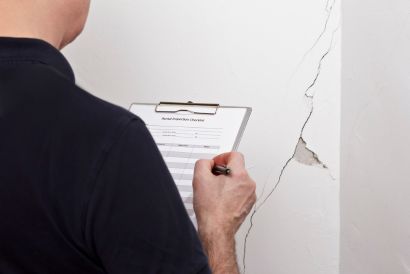
Start your inspection from the ground up. Examine the property’s foundation for any visible cracks, settling, or water damage. Walk around the exterior and look for uneven walls or door frames that do not close properly, as these can indicate structural issues. Inside, check the floors for any sloping or sagging. A solid structure provides the necessary support for the rest of the home, so you must address any concerns here first.
Evaluate the Roof and Gutters
The roof serves as your home’s primary defense against the elements. Check for missing, cracked, or curling shingles. Look for signs of water damage or sagging on the ceilings inside, which might suggest a leak. Also, inspect the gutters and downspouts to ensure they are clear of debris and properly direct water away from the foundation. A well-maintained roof and gutter system prevents water intrusion and protects your home’s structural integrity.
Check Plumbing and Electrical Systems
Functional plumbing and electrical systems are critical for daily comfort and safety. You should test all faucets and toilets to confirm they work correctly and check for adequate water pressure. Look under sinks for any signs of leaks or water damage. When it comes to the electrical system, check the following:
- Test light switches and outlets in every room.
- Locate the main electrical panel and check for any tripped breakers or outdated wiring.
- Ensure there are enough outlets to meet your needs.
A sewer camera inspection can reveal hidden problems like blockages, cracks, or tree root intrusion within the main sewer line. Identifying these issues early can save you from expensive and disruptive repairs later on.
Test Heating and Cooling Units
Your heating, ventilation, and air conditioning (HVAC) system keeps your home comfortable throughout the year. Turn on both the heating and cooling to make sure they function as expected. Listen for any unusual noises and check the age of the units. Older systems may be less efficient and more prone to breakdowns, leading to higher energy bills and potential replacement costs.
Your Path to a Secure Purchase
A comprehensive property inspection gives you the confidence to move forward with your purchase. By carefully examining these key areas, you identify potential problems and make informed decisions. This diligence helps you secure a home that supports your retirement plans, allowing you to settle in with peace of mind.