
Dropshipping gets talked about like it’s the easiest way into ecommerce. Like, there’s no stock instead, you find a great supplier who does a lot of the work for you, there’s no storage, no packing orders, no stress. Like it’s pictured as being this giant cake walk, you see so many creators online brag about this life they have, thanks to having this easy business. Just upload products, run ads, and yeah, money magically shows up.
That’s the pitch, anyway. That’s the pitch that people brag about, be it in articles, those overpriced courses, well, you get the idea here.
But of course, once things actually get moving, reality tends to show up pretty fast. And oh, but here’s the part people don’t really talk about. Dropshipping often creates more problems than people expect. Now, sure, some people have nothing but a great time with dropshipping, and good for them, but just know it’s not always that stress-free business idea that it tends to be made out to be.
You’re Running a Business without Any Real Control
Which, for a lot of people, sounds great, but no, this is the thing that makes it so bad. So, think about it; products aren’t handled directly, meaning that the shipping timelines aren’t set by you. Meaning that the packaging decisions aren’t yours.
But when something goes wrong, customers still expect answers. And of course, you can expect that delays happen. Yes, items arrive damaged. Orders get lost, too, so how can you fix all of these problems when you have no control?
Customer Trust is Hard to Build
Now, you really have to keep in mind that new e-commerce stores rely heavily on trust. No, really, think about it; people don’t know the brand yet, so every interaction matters. Well, it’s like that for every business.
Well, that and long delivery times and unclear tracking can make a store feel unreliable pretty quickly, even if the product itself is decent. Therefore, you’re risking some negative reviews on Google My Business and TrustPilot?
Dropshipping isn’t that Hands-Off
Well, it’s not nearly as hands-off as it’s usually made out to be; that’s the problem here. A lot of people choose dropshipping because they don’t want to pack and send out orders themselves. And yeah, that part makes sense. But avoiding boxes doesn’t mean avoiding responsibility. Customer support still needs constant attention; you can still basically count on problems popping up, and yeah, that stress is still there; it’s still going to exist.
So, you can still have an ecommerce business, like you can have one (not a dropshipping one), and having an ecommerce fulfilment service help you out, at least then you have control (and it’s not even all that stressful having a reliable third party you chose anyways).
Margins and Mental Load Don’t Always Add Up
But how, though? Well, profit margins in dropshipping can look fine on paper. But then ad costs rise. Well, not just that, because you have refunds that happen too. Besides, chargebacks even show u,p too. And yeah, basically, those margins feel much thinner.
There’s that whole mental load that goes with it, too.
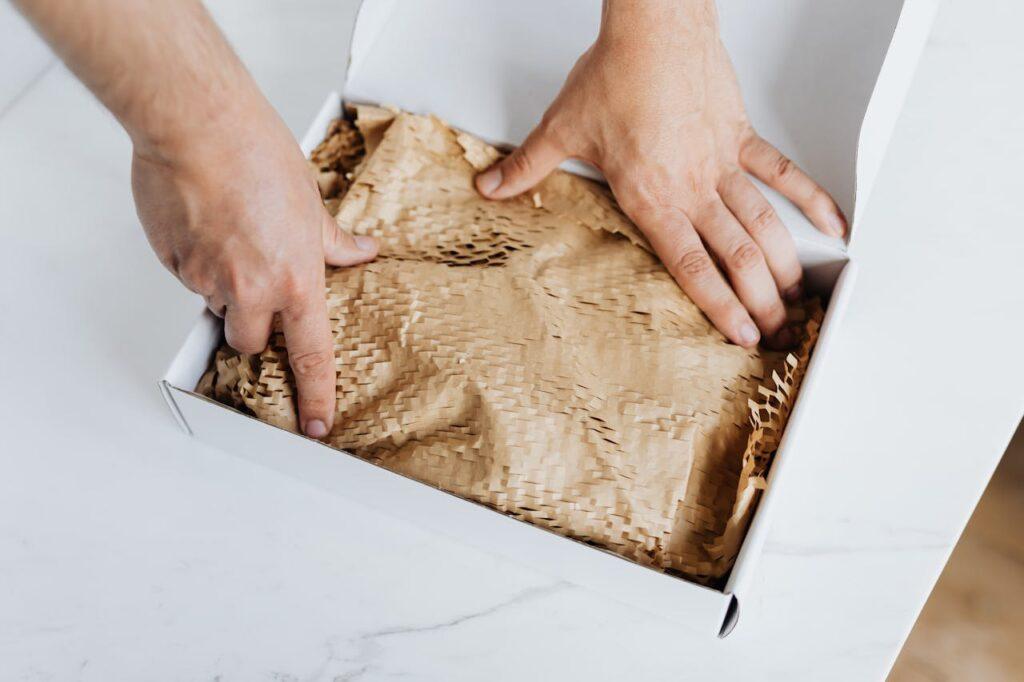
Photo by Karola G: https://www.pexels.com/photo/anonymous-man-preparing-package-for-shipment-4464482/