
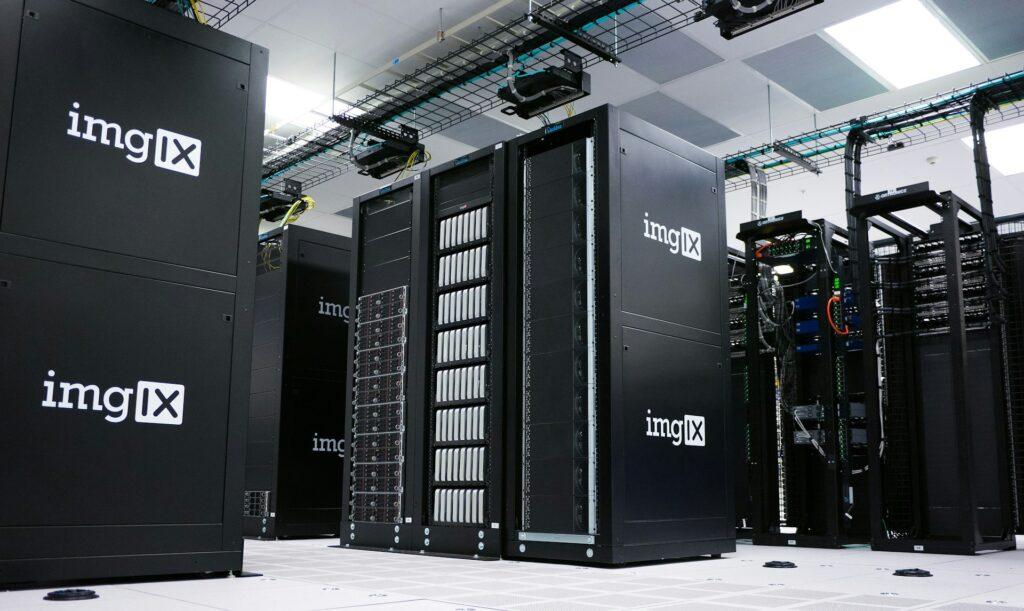
Data is the lifeblood of businesses, and protecting server environments has become a very high priority. While much attention has been devoted to software security or data backup processes, ventilation and airflow within data centers or IT environments often go overlooked as important factors.
Without adequate ventilation, risks such as overheating, operational inefficiency, and potential downtime for your data can arise.
The Silent Enemy: Heat
Heat is the silent enemy of IT equipment. Left unchecked, heat can damage hardware components, reduce system performance, or lead to catastrophic failures. Overheating can affect the expensive equipment’s lifespan and cause regular malfunctions, compromising business data and interfering with operations.
Ventilation and airflow play a huge role in providing an optimized environment by controlling temperatures, avoiding hotspots, and maintaining steady conditions for IT hardware.
The Role of Proper Airflow and Ventilation
Temperature Regulation
Cooling technology and airflow systems help server rooms or data hubs maintain ideal temperatures. Ventilation prevents excessive heat buildup that could cause components to operate less efficiently or fail altogether.
Humidity Management
Too little humidity can produce static electricity while too much leads to condensation risks. Ventilation systems with integrated cooling technologies help balance humidity levels for an ideal equilibrium between static electricity generation and condensation risks.
Energy Efficiency
Appropriate airflow reduces the need for overworked cooling systems and enhances energy efficiency, cutting electricity consumption costs and decreasing your business’s carbon footprint in turn.
Different Ways to Improve Ventilation and Airflow
Install Cooling Systems
A high-tech HVAC (Heating, Ventilation, and Air Conditioning) system designed specifically for data centers will ensure consistent airflow and cooling throughout their operating hours. Look for smart systems that adapt their cooling capacities according to both external and internal conditions.
Regular Maintenance of Vents and Filters
Clogged vents can compromise the ventilation efficiency. Regularly inspecting and cleaning vents and filters can ensure smooth airflow for an ideal work environment free of dust particles.
Blanking Panels
Blanking panels are very important for maintaining efficient airflow management within server racks. By filling any unused rack spaces and blocking air from mixing between hot and cold air sources, blanking panels ensure cooled air reaches those parts that need it most, improving cooling performance while decreasing the risk of equipment overheating.
Use Raised Flooring
Raised flooring allows cold air to circulate beneath servers and other IT equipment for cooling purposes while simultaneously protecting these assets from dust or contaminants that might come in direct contact. This airflow design promotes a better cooling temperature.
The Cost of Neglect
Neglecting ventilation and airflow can have serious repercussions for businesses, including costly equipment replacement expenses, data recovery fees, and service disruptions.
Prolonged system inefficiency could even damage a company’s reputation due to delays or compromised data availability.
Conclusion
Ventilation and airflow might not seem like top priorities when it comes to protecting business data, but they’re very important for a smooth-running IT ecosystem. Temperature regulation, humidity control, and air quality maintenance all play a huge part in maintaining the infrastructure’s reliability and longevity.
When you invest in effective ventilation strategies, businesses can save money, improve energy efficiency, and protect critical operations