
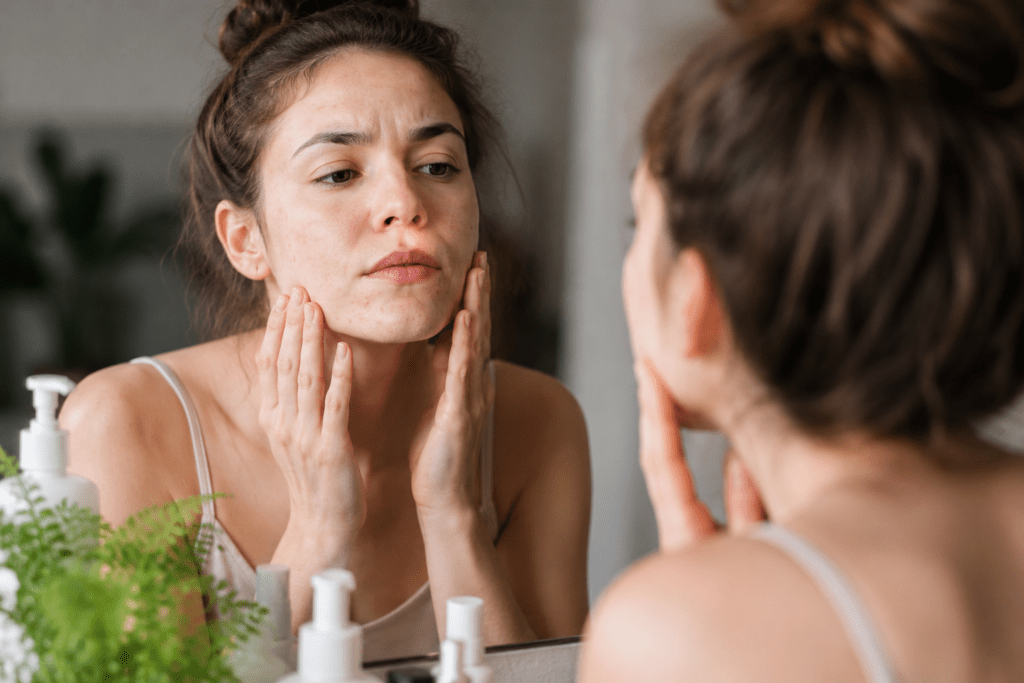
Our skin often reflects what is happening inside our bodies, and stress is one of the clearest examples of this connection. Whether it is an important work deadline, ongoing personal challenges, or simply the pressures of everyday life, emotional stress can trigger visible changes in the skin. For many people, these changes appear as unexpected breakouts, increased sensitivity, or flare-ups of existing skin conditions.
Although it is tempting to blame a new skincare product or changing weather, stress may be the underlying factor. Understanding how stress affects the skin is the first step towards managing its impact and building habits that support both mental wellbeing and a healthier complexion.
How Stress Affects Your Skin
When you experience stress, your body releases hormones such as cortisol and adrenaline. Cortisol, often referred to as the stress hormone, plays an important role in your body’s response to pressure. However, when cortisol levels remain elevated for long periods, it can disrupt the normal balance of your skin.
One of the most common effects is an increase in oil production. Higher cortisol levels stimulate the sebaceous glands, causing them to produce more sebum. Excess oil can combine with dead skin cells and bacteria, leading to clogged pores and stress-related acne.
Stress also weakens the skin’s natural barrier. This protective barrier helps retain moisture while keeping irritants and harmful microorganisms out. When it becomes compromised, the skin may become dry, irritated, and more sensitive to environmental factors. As a result, redness, itching, and discomfort can become more noticeable.
In addition, chronic stress may slow the skin’s ability to repair itself. Wounds can take longer to heal, blemishes may linger for weeks, and inflammation often becomes more pronounced.
Skin Conditions That Can Flare Up During Stress
Stress not only contributes to acne, but it can also worsen several chronic skin conditions that are already influenced by inflammation and immune system activity.
People living with eczema often notice that periods of emotional stress lead to increased itching, redness and dry patches. Similarly, psoriasis may become more active during stressful times, causing plaques to appear more frequently or become more severe.
Rosacea is another condition that is commonly linked to stress. Many individuals experience facial flushing and increased redness during emotionally demanding situations. Even people with otherwise healthy skin may notice temporary sensitivity, dullness, or small inflammatory breakouts after particularly stressful periods.
While stress alone is rarely the sole cause of these conditions, it often acts as a trigger that makes existing symptoms more difficult to manage.
Practical Ways to Reduce Stress-Related Skin Problems
Managing stress-related skin concerns requires a combination of good skincare and healthy lifestyle habits. Rather than searching for a single miracle product, it is more effective to support your body from both the inside and the outside.
Keeping your skincare routine simple can help reduce irritation. Gentle cleansing, daily moisturising and consistent use of sunscreen protect the skin barrier without overwhelming sensitive skin. Introducing too many active ingredients during stressful periods may actually worsen irritation.
Quality sleep also plays a vital role. During sleep, the body repairs damaged tissues and supports healthy skin regeneration. Adults should aim for seven to nine hours of sleep each night whenever possible.
Regular physical activity has also been shown to reduce stress hormone levels while improving circulation, helping deliver oxygen and nutrients to the skin. Even a short daily walk or gentle yoga session can contribute to overall wellbeing.
Mindfulness practices, including meditation, breathing exercises and journalling, may also help lower stress levels. Although these techniques cannot eliminate life’s challenges, they can reduce the body’s prolonged stress response, which may benefit both mental health and skin health over time.
A balanced diet rich in colourful fruits, vegetables, whole grains, healthy fats and lean protein provides essential nutrients that support the skin’s natural repair processes. Staying well hydrated also helps maintain healthy skin function, although hydration alone will not prevent stress-related breakouts.
When to Seek Professional Advice
Occasional breakouts during stressful periods are completely normal. However, if acne becomes persistent, skin conditions continue to worsen, or symptoms significantly affect your confidence or quality of life, it is worth speaking with a healthcare professional or dermatologist.
A dermatologist can recommend treatments tailored to your skin type and underlying condition, while a healthcare provider may also help identify sources of chronic stress that could be contributing to ongoing symptoms. Addressing both the physical and emotional aspects often leads to better long-term results than focusing on skincare alone.
Caring for Your Mind Can Benefit Your Skin
Healthy skin is about much more than the products you apply each day. Your emotional wellbeing, sleep, nutrition and stress levels all influence how your skin looks and feels. While it is impossible to eliminate stress, recognising its effects allows you to respond in ways that support both your mental health and your complexion.
By combining gentle skincare with healthy daily habits and effective stress management, you can reduce the likelihood of stress-related flare-ups and help your skin recover more effectively. Looking after your wellbeing is not only good for your mind. It is also one of the most valuable investments you can make for your skin.