
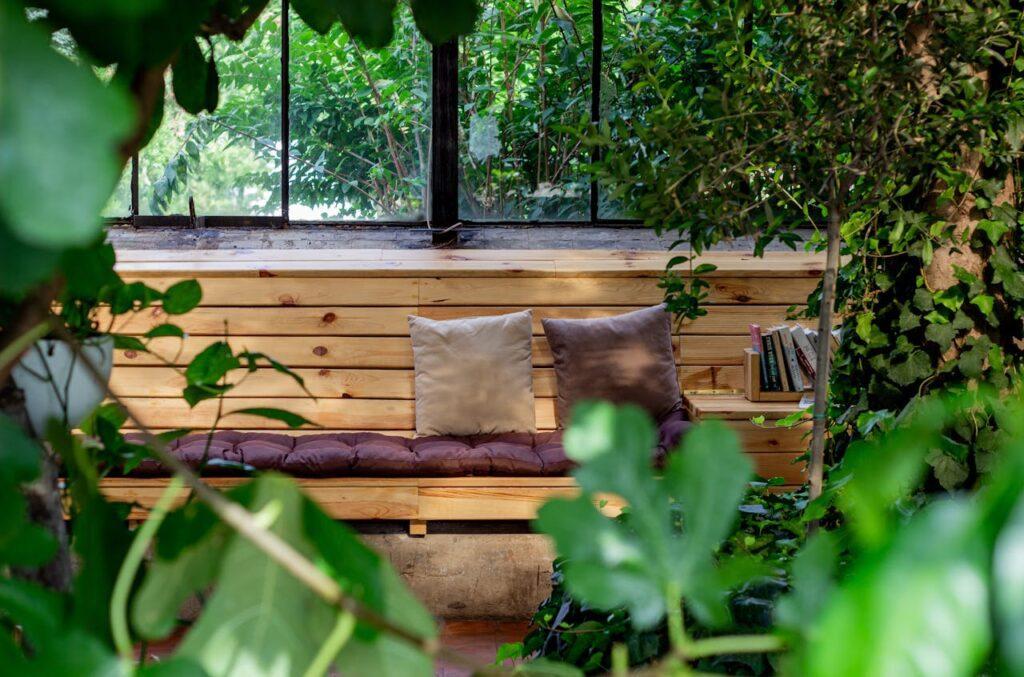
The way a workspace looks and feels has a direct impact on productivity, focus, and mental well-being. Many people spend most of their day indoors, often under artificial lighting and surrounded by screens, hard surfaces, and little connection to the outside world. Over time, these environments can increase stress and make it harder to stay focused or mentally refreshed.
This is where biophilic design comes in. The word “biophilic” comes from the idea that humans naturally seek a connection with nature. In design, it refers to creating indoor spaces that include natural elements such as sunlight, plants, natural materials, airflow, and organic textures.
Instead of treating nature as decoration, biophilic design uses it to create healthier and more comfortable environments. In workplaces, this approach is becoming increasingly popular because it can help people feel calmer, think more clearly, and work more effectively.
Why Biophilic Design Matters in Modern Workspaces
Modern offices and home workspaces are often designed around convenience and efficiency, but not always around human comfort. Bright artificial lights, repetitive layouts, and long hours in front of screens can leave people mentally drained by the end of the day. Biophilic design tries to balance this by bringing parts of the natural world back into indoor environments.
Natural light is one of the most important examples. Exposure to daylight helps regulate the body’s internal clock, which affects sleep, mood, and energy levels. People who work near windows often feel more alert and less fatigued compared to those working under constant artificial lighting.
Plants are another key part of biophilic design. Indoor greenery can make a space feel calmer and less sterile. Research on workplace environments has shown that plants may help reduce stress and improve concentration during mentally demanding tasks. Even a few small plants can soften the atmosphere of a workspace and make it feel more welcoming.
Natural materials also play an important role. Wood, stone, linen, and other organic textures create warmth and visual comfort that highly industrial interiors often lack. These details may seem minor, but they affect how people emotionally respond to a space. A workspace that feels balanced and comfortable is usually easier to spend long hours in without feeling mentally exhausted.
How Natural Environments Support Productivity and Well-being
Biophilic design is effective because the human brain responds positively to natural surroundings. People often feel more relaxed after spending time outdoors because nature provides a calmer and less overstimulating environment. Bringing some of those elements indoors can create similar benefits.
One major advantage is reduced stress. Work environments filled with noise, harsh lighting, and little visual variation can gradually increase mental fatigue. Natural elements help soften that effect. Views of trees, sunlight, fresh airflow, or even nature-inspired colours can create a more peaceful atmosphere that supports concentration.
Biophilic design can also improve focus by reducing sensory strain. Spaces filled with hard surfaces and artificial materials sometimes feel cold or uncomfortable without people fully realising why. Adding softer textures, natural colours, and greenery creates a more balanced environment that feels easier on the mind.
This is especially important for people working from home. Remote workers often spend long hours in the same room without clear separation between work and personal life. Small changes, such as placing a desk near natural light, adding indoor plants, or using wooden furniture instead of purely synthetic materials, can make a home office feel less stressful and more productive.
Sound and airflow matter as well. Fresh air and quieter environments can improve comfort during long work sessions. Some workplaces now include indoor gardens, open layouts, or calming break areas because employers are beginning to recognise that productivity depends heavily on mental well-being.
Creating Better Workspaces Through Biophilic Design
Biophilic design is not about turning an office into a forest or following a temporary design trend. Its purpose is to create environments that support the way people naturally think and feel. The most effective workspaces are often the ones that feel comfortable without being distracting.
Simple changes can make a noticeable difference. Better access to daylight, a few well-placed plants, softer lighting, natural materials, and improved airflow can all help create a healthier workspace. These adjustments support focus and well-being by reducing some of the stress associated with artificial indoor environments.
As more companies and remote workers prioritize mental health and sustainable productivity, biophilic design is becoming more than just a design preference. It reflects a growing understanding that people work better when their environment feels balanced, calming, and connected to the natural world.
Photo by Natalia Sevruk: https://www.pexels.com/photo/a-bench-in-a-room-with-plants-and-a-window-28200532/