
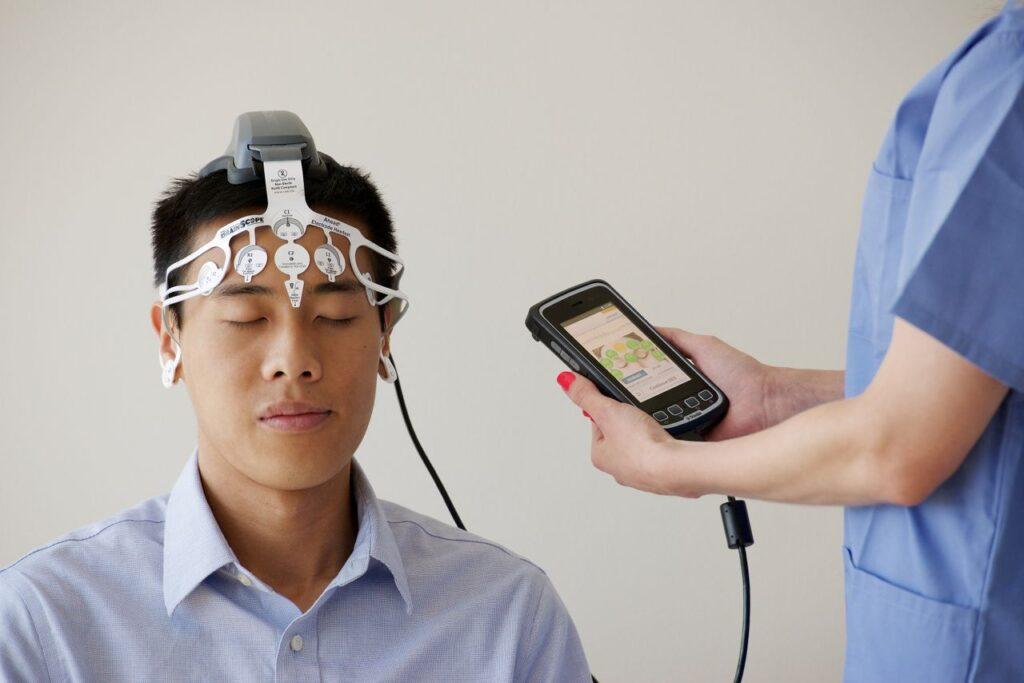
For decades, brain-computer interfaces (BCIs) were largely confined to research laboratories and specialised medical settings. These systems, which enable direct communication between the brain and external devices, were primarily developed to help individuals with severe neurological conditions regain lost functions. Today, however, advances in artificial intelligence, neuroscience, sensor technology, and computing power are accelerating the development of non-invasive BCIs that could eventually become part of everyday consumer technology.
This shift presents both remarkable opportunities and unprecedented challenges. Supporters envision a future where people can interact with computers, control devices, and access digital environments using thought alone. Yet as BCIs move beyond clinical applications, questions surrounding privacy, consent, data ownership, and regulation become increasingly complex. The conversation is no longer solely about technological capability but about how society can responsibly integrate neurotechnology while protecting individual rights and maintaining public trust.
The Rise of Non-Invasive Brain-Computer Interfaces
Traditional brain-computer interfaces often relied on invasive procedures that required surgical implantation of electrodes within the brain. While these systems can provide highly accurate neural signals, their use is generally limited to medical contexts due to the risks associated with surgery.
Recent developments have focused heavily on non-invasive alternatives. These systems typically use external sensors to detect and interpret brain activity without requiring surgical intervention. Advances in machine learning and artificial intelligence have significantly improved the ability of these devices to process complex neural signals, making non-invasive BCIs increasingly practical for a wider range of applications.
Researchers are exploring potential uses that extend far beyond healthcare. Consumer applications may include hands-free interaction with digital devices, immersive gaming experiences, accessibility tools, workplace productivity systems, and enhanced virtual or augmented reality environments. As these technologies become more sophisticated, the distinction between medical devices and consumer electronics may begin to blur.
Organisations such as the Institute of Electrical and Electronics Engineers (IEEE) Brain Initiative continue to support research into neurotechnology and its broader societal implications, highlighting the growing importance of responsible innovation in this field.
Why Brain Data Creates Unique Privacy Challenges
Unlike many forms of personal information, neural data has the potential to reveal highly sensitive insights about an individual’s cognitive state, attention levels, emotional responses, and behavioural patterns. While current non-invasive BCIs remain limited in what they can accurately interpret, future advancements could significantly expand the scope of information that these systems are capable of collecting and analysing.
This creates a category of privacy concerns that differs from traditional data protection issues. Consumers are already accustomed to sharing information through smartphones, wearable devices, and online platforms. Brain data, however, introduces a level of intimacy that many existing privacy frameworks were never designed to address.
Questions surrounding ownership of neural information remain largely unresolved. If a consumer BCI generates data about attention, decision-making, or emotional responses, who ultimately controls that information? The user, the device manufacturer, the software provider, or a third-party platform? Without clear regulatory safeguards, there is concern that neural data could become vulnerable to misuse, commercial exploitation, or unauthorised access.
Recognising these risks, organisations such as the Organisation for Economic Co-operation and Development (OECD) Neurotechnology Principles have begun developing frameworks that emphasise transparency, accountability, and protection of individual rights in emerging neurotechnology ecosystems.
The Role of Ethical AI in Neurotechnology
Artificial intelligence plays a critical role in the functionality of modern brain-computer interfaces. Raw neural signals are often noisy, incomplete, and difficult to interpret without advanced machine learning systems capable of identifying patterns and translating them into usable outputs.
As AI becomes more deeply integrated into BCIs, ethical concerns surrounding algorithmic decision-making become increasingly relevant. Bias, transparency, explainability, and reliability are all issues that could directly affect how users interact with neurotechnology systems. If an AI system incorrectly interprets neural signals, the consequences may extend beyond simple technical errors and affect communication, accessibility, or even personal autonomy.
Ethical AI frameworks therefore become essential components of neurotechnology governance. Developers must ensure that systems are designed with transparency and user control in mind. Individuals should understand what data is being collected, how it is being processed, and how decisions are being made by the algorithms interpreting their neural activity.
The UNESCO Recommendation on the Ethics of Artificial Intelligence provides a global framework that is increasingly relevant as AI and neurotechnology continue to converge, particularly in areas involving human rights, privacy, and responsible innovation.
Building Regulatory Frameworks for a Neurotechnology Future
One of the greatest challenges facing policymakers is that technological innovation is advancing faster than many regulatory systems can adapt. Existing privacy laws and medical device regulations provide some guidance, but they were not specifically designed to address consumer-grade brain-computer interfaces.
Future regulatory frameworks will likely need to address several key areas. Consent mechanisms must be robust enough to ensure that users fully understand what information is being collected and how it may be used. Data governance rules must clearly define ownership, access rights, storage requirements, and security standards. Oversight mechanisms will also be necessary to evaluate safety, performance, and ethical compliance as technologies evolve.
International cooperation may become increasingly important because neurotechnology companies often operate across multiple jurisdictions. Without consistent standards, differences in regulation could create gaps in consumer protection and complicate efforts to establish industry-wide best practices.
Research supported by the World Economic Forum Centre for the Fourth Industrial Revolution has highlighted the need for proactive governance approaches that balance innovation with safeguards designed to protect individuals and society.
The Future of Brain-Computer Interfaces
Brain-computer interfaces are moving steadily from experimental research environments toward broader real-world adoption. Non-invasive technologies are becoming more capable, artificial intelligence is improving signal interpretation, and commercial interest in neurotechnology continues to grow. These developments have the potential to transform healthcare, accessibility, communication, and human-computer interaction in ways that were previously difficult to imagine.
However, the success of consumer neurotechnology will depend on more than technical performance. Public trust will play a central role in determining whether these technologies achieve widespread acceptance. Trust requires transparency, accountability, strong privacy protections, and regulatory frameworks that evolve alongside innovation.
As brain-computer interfaces become increasingly integrated into everyday life, the challenge will not simply be developing more advanced systems. It will be ensuring that neurotechnology and ethical AI progress together, creating a future where technological capability is matched by responsible governance and respect for individual rights.
Photo by KOS Chiropractic Integrative Health: https://www.pexels.com/photo/man-during-examination-with-use-of-brainscope-19034027/