
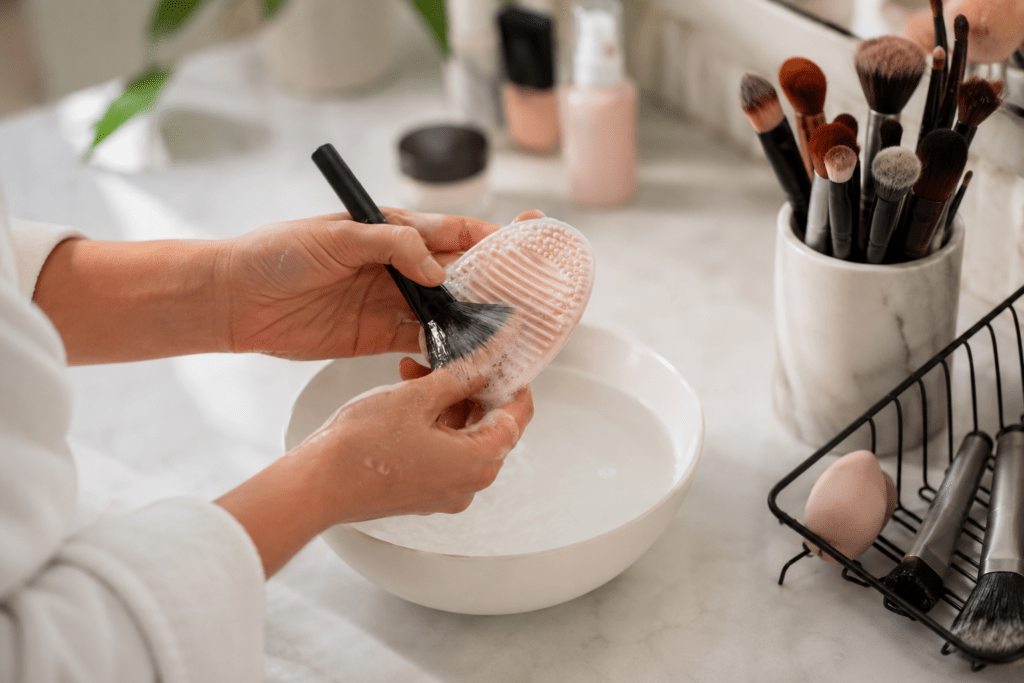
A flawless makeup application depends on more than the quality of your products or your technique. The cleanliness of your brushes, sponges, and cosmetics plays a significant role in both the appearance of your makeup and the health of your skin. Even the most expensive foundation or expertly blended eyeshadow can become a source of irritation if applied with tools that have accumulated dirt, oil, and bacteria over time.
Many people focus on building the perfect makeup collection but overlook the importance of maintaining it. Regularly cleaning your tools and replacing expired products helps prevent breakouts, skin infections, and uneven makeup application. Understanding how makeup hygiene works allows you to protect your skin while getting the best performance from every product you use.
Why Clean Makeup Tools Matter
Every time a makeup brush or sponge touches your skin, it collects natural oils, dead skin cells, sweat, and traces of makeup. These materials create an ideal environment for bacteria and fungi to grow, especially when tools are stored in warm or humid conditions. Reusing dirty applicators transfers these contaminants back onto your face, increasing the risk of clogged pores, acne flare-ups, and skin irritation.
Dirty tools can also affect the finish of your makeup. Foundation brushes become stiff with product buildup, making blending more difficult and leaving streaks on the skin. Eyeshadow brushes lose their ability to apply color accurately when pigments accumulate between the bristles. Clean brushes remain softer, blend products more evenly, and help preserve the original color of your cosmetics.
Most makeup brushes should be washed at least once a week if they are used regularly. Brushes that apply liquid or cream products, such as foundation and concealer, benefit from more frequent cleaning because moisture encourages bacterial growth. Makeup sponges should also be cleaned after each use whenever possible and replaced every few months if they begin to tear, stain permanently, or develop an odor.
Understanding Makeup Product Expiration
Cosmetics do not last forever, even if they appear to be in good condition. Over time, preservatives become less effective, ingredients break down, and microorganisms can multiply inside the packaging. Using expired makeup may reduce product performance and increase the risk of irritation or infection.
Most cosmetic packaging includes a Period After Opening symbol, commonly shown as an open jar with a number such as 6M, 12M, or 24M. This indicates how many months the product is generally intended to remain safe after opening. Mascara typically has one of the shortest lifespans, often around three months, because the applicator repeatedly transfers bacteria between the lashes and the tube. Liquid eyeliners and cream products also require closer attention due to their higher moisture content.
Powder products such as blushes, bronzers, and eyeshadows often last longer because they contain less water, making them less hospitable to bacterial growth. However, they should still be discarded if they develop an unusual smell, change in texture, or show visible signs of contamination.
Simple habits can also extend the usable life of your cosmetics. Washing your hands before applying makeup, avoiding sharing products with others, and keeping containers tightly closed help reduce contamination. Storing makeup in a cool, dry location away from direct sunlight also protects the stability of the ingredients.
Healthy Makeup Habits for Long-Term Skin Care
Good makeup hygiene is not about being overly cautious. It is about creating routines that support healthier skin and more reliable makeup results. Setting aside a few minutes each week to clean brushes and regularly checking expiration dates can prevent many common skin concerns before they develop.
A well-maintained makeup kit also saves money over time. Clean tools perform better, allowing products to be applied more efficiently with less waste. Replacing expired cosmetics at the appropriate time helps avoid unnecessary skin problems that could require additional skincare treatments or medical attention.
Ultimately, beautiful makeup begins with healthy skin. By keeping your brushes clean, replacing products when they reach the end of their lifespan, and practicing consistent hygiene, you create a safer beauty routine that benefits both your complexion and the quality of your makeup application. Small maintenance habits may seem insignificant, but they have a lasting impact on the health of your skin and the effectiveness of every product you use.