
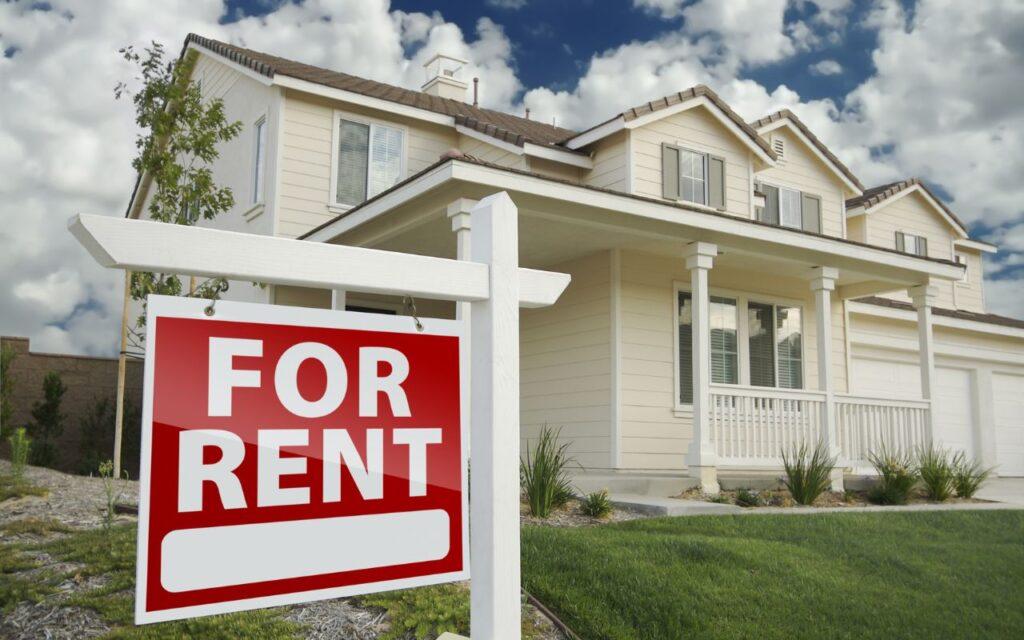
Adding a rental unit to your property can turn your home into a steady income stream and build long-term wealth. Whether you’re offsetting mortgage payments or exploring investment opportunities, it’s an accessible path to financial independence. However, there’s a lot to know about creating a rental unit on your property. In this guide, we’ll help you better understand legal requirements, financial planning, and tenant management for rental properties.
Understanding Zoning Laws and Legal Requirements
Local zoning laws dictate whether you can legally add a rental unit to your property, with rules varying widely between locations. Some areas restrict accessory dwelling units entirely, while others encourage them with streamlined approvals. To understand what’s allowed in your area, contact your local planning department.
Non-compliance with zoning laws can mean fines, removal of improvements, and legal issues when selling your property. Consulting with local contractors or real estate attorneys can help you navigate these regulations and avoid costly mistakes.
Financial Planning and Investment Analysis
Creating a rental unit requires a significant upfront investment. The costs of converting existing space depend on the scope of work and local labor rates, but will typically range in the tens of thousands of dollars. To assess your potential return on investment, research comparable rental rates in your area and account for ongoing expenses like property taxes, insurance, maintenance, and potential vacancy periods, as these costs can greatly impact profitability.
Tax implications are another critical factor. Rental income affects your tax situation, but it also offers opportunities for deductions, such as depreciation and certain expenses. To fully understand the financial impact, consult a tax professional for guidance on deductions, depreciation benefits, and capital gains considerations if you plan to sell the property in the future.
Design and Construction Considerations
Another thing you need to know when creating a rental unit on your property is where you’re going to put it! For example, a creative use for a renovated basement is to turn it into a rental suite, so it’s out of the way of the rest of your home but still a comfortable space for guests. Separate entrances provide privacy for both parties and meet many local legal requirements.
If you need to conduct work on your property before it’s rental-ready, choose experienced contractors who understand local building codes and rental property regulations. Be sure to get multiple bids and check references before hiring to ensure the best results for your project.
Managing Tenants and Legal Responsibilities
Effective tenant management starts with thorough screening. Conduct background checks, verify employment and income, and contact previous landlords to evaluate potential tenants. Follow up with a clear, comprehensive lease agreement that outlines rent collection, maintenance procedures, property access, and termination terms.
As a landlord, it’s crucial to understand your legal obligations, including maintenance duties, privacy requirements, and eviction procedures, which vary by state. If you want to minimize direct tenant interaction and legal responsibilities, consider hiring a property management company to handle day-to-day operations.
Taking the Next Step
Creating a rental unit on your property is a great way to build wealth and generate passive income, but it requires careful planning, proper financing, and ongoing management. Research local regulations, calculate returns, and consult professionals to ensure success. With the right approach, your investment can provide steady income and boost property value.