
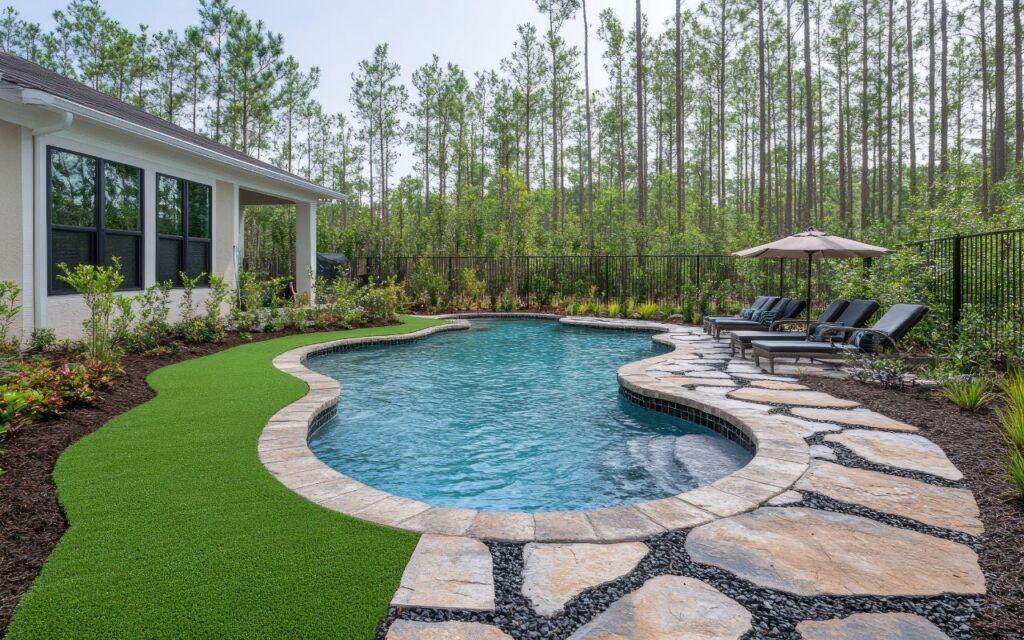
A backyard pool should feel like a reward, not an increasing expense. With energy prices fluctuating worldwide, homeowners continue to look for practical ways to make their pools more sustainable without sacrificing enjoyment.
The good news is that meaningful improvements do not always require a full renovation. With a few smart energy-efficiency tips for backyard pools, you can reduce waste, lower costs, and make your pool more eco-friendly.
Upgrade Technology and Core Equipment
One of the most impactful changes you can make is to upgrade the pump. Pool pumps are often the largest source of energy consumption in pool systems. Variable-speed models use far less electricity than traditional single-speed pumps because they adjust output based on the pool’s needs rather than running at full power constantly. Investing in this energy-efficient pool equipment can significantly reduce long-term energy use.
Lighting is another simple but worthwhile upgrade. Traditional incandescent pool lights consume considerably more electricity than LED alternatives. LED lighting not only lowers energy usage but also lasts longer, reducing maintenance demands and replacement frequency.
Heating systems also deserve attention. If pool heating is necessary in your region, modern heat pumps are generally more efficient than gas heaters. Today’s energy-efficient pool equipment is engineered to maximize performance while minimizing energy draw, helping homeowners maintain comfortable water temperatures without excessive utility bills.
Improve Everyday Habits
Beyond equipment upgrades, everyday habits play an important role in energy efficiency. Using a pool cover consistently is one of the easiest ways to conserve energy, as uncovered pools lose heat quickly, especially during cooler evenings. A solar or thermal cover retains warmth, reduces evaporation, and eases the strain on your pool’s heating system.
Pump run time is another area where small changes make a difference. Many pool owners operate their pumps longer than necessary. In most climates, circulating water for six to eight hours per day is sufficient. Adjusting your pool pump timer according to seasonal needs can meaningfully reduce electricity consumption while maintaining water quality.
Implement Routine Maintenance
Performing regular pool maintenance is another important energy efficiency tip for backyard pools. Clogged filters, worn seals, and aging motors are all signs your pool equipment needs to be serviced.
These issues force pool systems to work harder, increasing energy usage. Routine servicing ensures the pool’s components operate efficiently and prevents small issues from becoming costly problems.
A Smarter Way To Swim
Increasing energy efficiency does not mean compromising on comfort. With thoughtful equipment upgrades, mindful daily habits, and consistent maintenance, a backyard pool can remain a joyful feature of your home that supports a more sustainable lifestyle.