
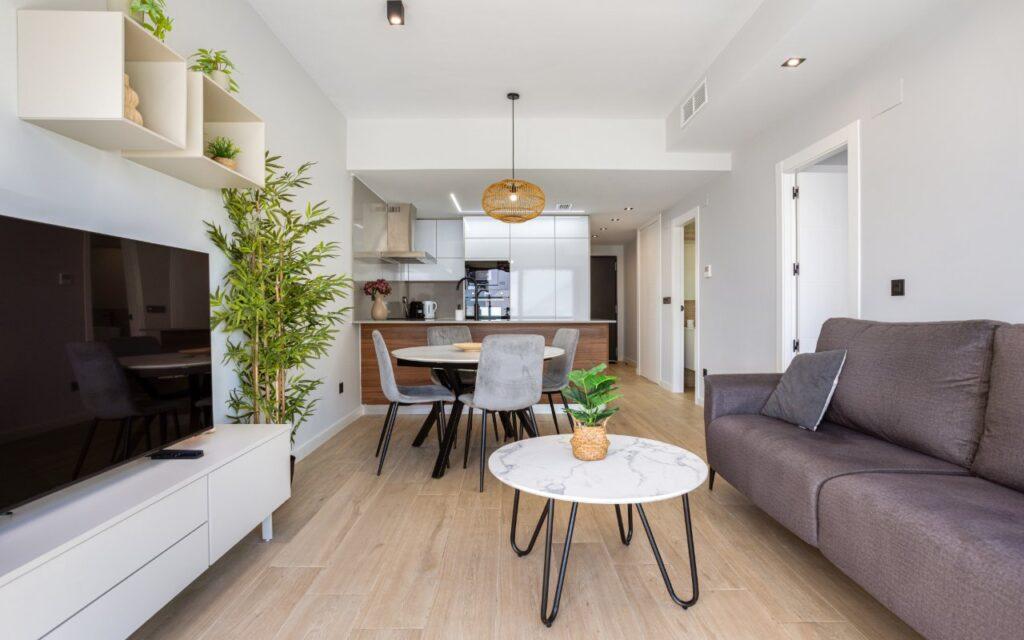
Furniture placement affects more than appearance because it shapes how people move, relax, and interact inside a room. Many young adults focus heavily on furniture style while overlooking the importance of layout and spacing. Even expensive furniture can make a home feel cramped or uncomfortable when arranged poorly.
A thoughtful layout creates balance, improves functionality, and helps every room feel more inviting. These might be the furniture layout errors ruining your space.
Blocking Natural Walkways
One of the most common furniture mistakes involves blocking the natural flow of movement through a room. Large sectionals, oversized coffee tables, or misplaced chairs can force people to walk awkwardly around obstacles. Tight pathways make spaces feel crowded and frustrating to use during daily routines. Open walkways help rooms feel more comfortable and visually organized.
Living rooms often suffer the most from poor traffic flow because people use them frequently throughout the day. Homeowners sometimes push every piece of furniture against the walls in an attempt to create extra space. Unfortunately, this arrangement often leaves rooms feeling disconnected and unbalanced instead of open. Many living room furniture mistakes make spaces feel smaller include awkward spacing and poor furniture positioning.
Ignoring Lighting Placement
Lighting and furniture placement should work together to support comfort and function. Poor furniture arrangement can block natural sunlight and make rooms appear darker than they actually are. Large bookcases or tall furniture placed near windows often reduce brightness throughout the space. Natural light helps rooms feel larger, cleaner, and more energetic.
Artificial lighting also deserves careful attention during furniture planning. Floor lamps and table lamps should support reading and relaxing without creating harsh shadows. Rooms with uneven lighting can feel uncomfortable even when the furniture itself looks attractive. A balanced layout allows light to reach every important part of the room.
Furniture Layout Tips That Improve Any Space
- Leave enough room for easy movement between furniture.
- Use rugs to define seating or dining areas.
- Choose furniture that fits the room’s proportions.
- Position seating to encourage conversation.
- Avoid blocking windows and natural light sources.
Forgetting About Functionality
A stylish room still needs to support everyday life in a practical way. Furniture should match the activities people regularly enjoy inside the space. A living room designed only for appearance may feel uncomfortable during movie nights, conversations, or remote work sessions. Functional layouts create spaces people actually enjoy using every day.
Dining rooms and bedrooms also benefit from thoughtful spacing and organization. Chairs should slide out easily without bumping walls or nearby furniture. Bedrooms need enough open space for comfortable movement around the bed and storage areas. Practical layouts reduce stress and make homes feel more peaceful overall.
Too Much Furniture Creates Visual Clutter
Many rooms feel smaller because they contain too many unnecessary pieces of furniture. Crowded spaces overwhelm the eye and reduce the sense of calm people want at home. Decorative accents and side tables should support the room instead of dominating it. Simple layouts often create the strongest visual impact.
Young adults frequently benefit from adopting a less is more approach during decorating. Leaving some open space highlights furniture and improves the overall atmosphere of the room. Cleaner layouts also make cleaning and reorganizing much easier over time. The furniture layout errors ruining your space are easy to fix with an open mind and a little creativity.