
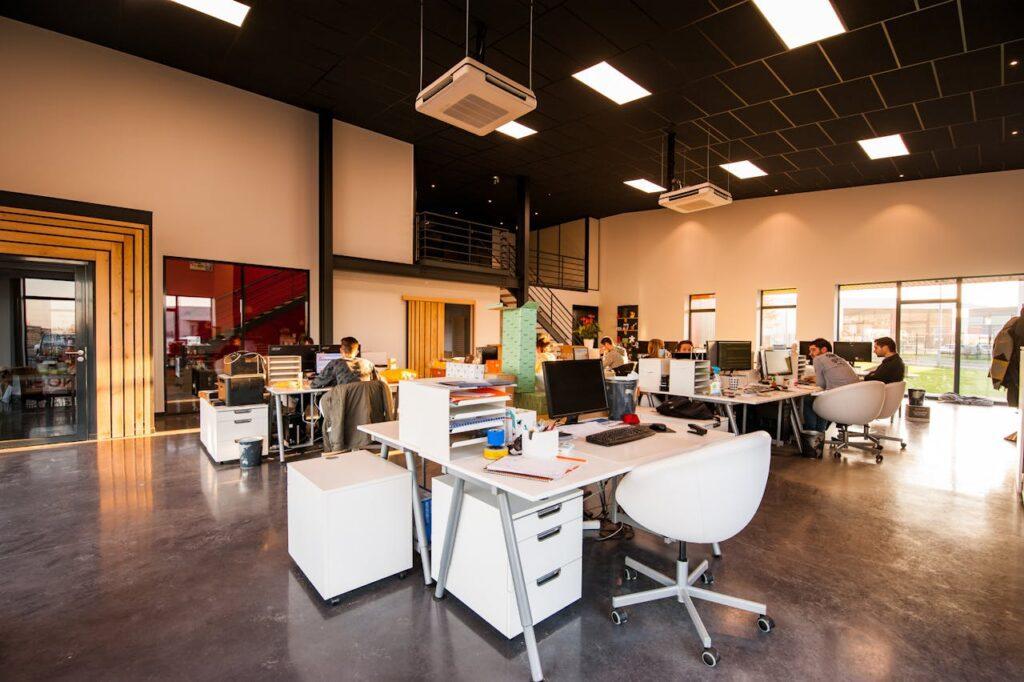
The quality of your working environment shapes far more than your productivity. It influences mood, collaboration, stress levels, creativity, and even how long people stay with an organisation. An office is not just a container for desks and screens; it is a psychological and social ecosystem.
When it works well, people feel focused and supported. When it doesn’t, even small irritations compound into fatigue and disengagement. Improving an office environment does not necessarily mean a costly refurbishment.
Often, it involves thoughtful adjustments that consider light, sound, layout, autonomy, and culture. When these elements align, the office becomes somewhere people want to be rather than somewhere they endure.
Light & Air
Natural light is one of the most significant yet underestimated factors in workplace wellbeing. Exposure to daylight supports circadian rhythms, improves sleep quality, and boosts concentration during working hours. Offices that maximise windows, use glass partitions rather than solid walls, and avoid blocking light with tall storage units tend to feel more open and energising.
Air quality matters just as much. Poor ventilation can cause lethargy, headaches, and difficulty concentrating. Introducing plants can subtly improve air quality and bring visual calm to the space.
Design For Focus
Modern offices often struggle to balance two competing needs: quiet concentration and spontaneous collaboration. Open-plan layouts encourage communication but can also create constant distraction. Noise, interruptions, and visual movement all chip away at deep work.
A better approach is zoning. Quiet areas designated for focused tasks, separate from collaborative hubs, allow employees to choose the environment that suits their current work. Acoustic panels, soft furnishings, and sound-absorbing materials can significantly reduce background noise without making a space feel closed off.
Keep It Clean
This is a really important part of all this too. If you can keep the office clean, that is going to make it a much more enjoyable place to work, and you will be affecting the health of your employees much less as well.
This is a simple case of hiring some commercial cleaners to come and deep clean the office regularly, and making sure that all employees clean up after themselves daily as well. If you can do that, it’s going to make a huge difference to how the environment works for everyone who spends time there day after day.
Break Spaces
Break areas often receive minimal attention, yet they serve a crucial function. A cramped corner with a kettle and microwave does little to encourage genuine rest. Effective break spaces are separated from primary work zones and designed for relaxation. Comfortable seating, softer lighting, and perhaps a small library or games corner create opportunities for informal connection.
Access to outdoor space, even a small terrace or courtyard, can significantly improve mood and reduce stress. Encouraging employees to step away from their desks during breaks prevents burnout and improves afternoon focus.
Photo by CadoMaestro : https://www.pexels.com/photo/people-sitting-on-chairs-beside-their-desks-in-an-office-1170412/