A roof protects everything beneath it, but it does not last forever. Knowing the signs you may need a new roof can help you act before small issues turn into costly damage.
Many homeowners overlook subtle warning signals, assuming a quick repair will solve the problem. However, certain changes in your roof’s condition point to deeper wear that requires more than a patch.
Aging Materials and Visible Wear
Roofing materials naturally break down over time due to weather exposure. You may notice shingles that look faded, curled, or uneven. These visual cues often indicate that the roof has reached the end of its lifespan. When materials lose their structure, they no longer provide reliable protection.
Even if your roof still appears intact from a distance, closer inspection can reveal deterioration that signals replacement rather than repair.
Water Damage and Interior Clues
Leaks do not always appear as dramatic drips from the ceiling. Sometimes, they show up as faint stains, peeling paint, or a musty smell in the attic. These signs suggest moisture has already made its way inside. Water intrusion can weaken structural components and encourage mold growth.
If you repeatedly address leaks without lasting results, your roof may no longer provide a proper barrier.
Shingle Damage and Surface Issues
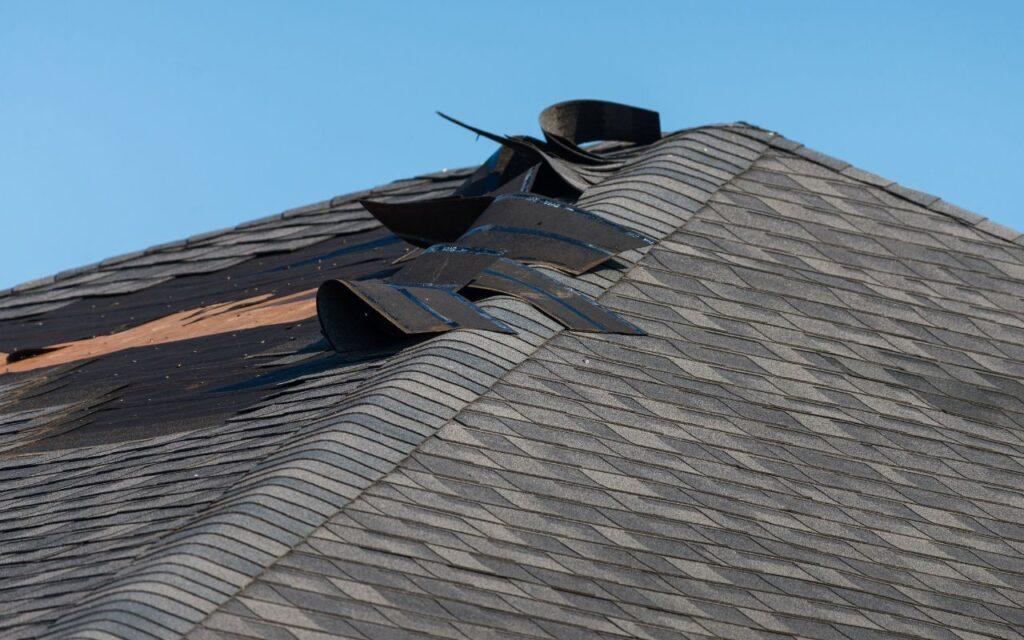
Shingles act as the first line of defense against the elements. When they crack, loosen, or fall away, they expose the underlying layers. This creates a risk of cracked shingles spreading across larger sections of the roof. You might also find granules collecting in gutters, which indicates the protective coating has worn off.
Once shingles lose their integrity, they cannot effectively shield your home.
Sagging or Structural Changes
A sagging roofline often signals a serious problem beneath the surface. This issue may stem from trapped moisture, weakened supports, or prolonged stress on the structure. You should not ignore slight dips or uneven areas.
Structural changes tend to worsen over time, making early replacement a safer and more cost-effective solution than ongoing repairs.
Rising Energy Costs and Poor Ventilation
Your roof plays a key role in regulating indoor temperature. When it fails to insulate properly, your heating and cooling systems must work harder. You may notice higher energy bills or inconsistent temperatures throughout your home.
Poor ventilation and aging materials can both contribute to this problem, signaling that your roof no longer performs efficiently.
When It’s Time To Act
Recognizing the signs you may need a new roof allows you to protect your home before damage spreads. When wear, leaks, and structural issues begin to overlap, replacement often provides the most reliable long-term solution.
Acting early helps maintain safety and peace of mind.