
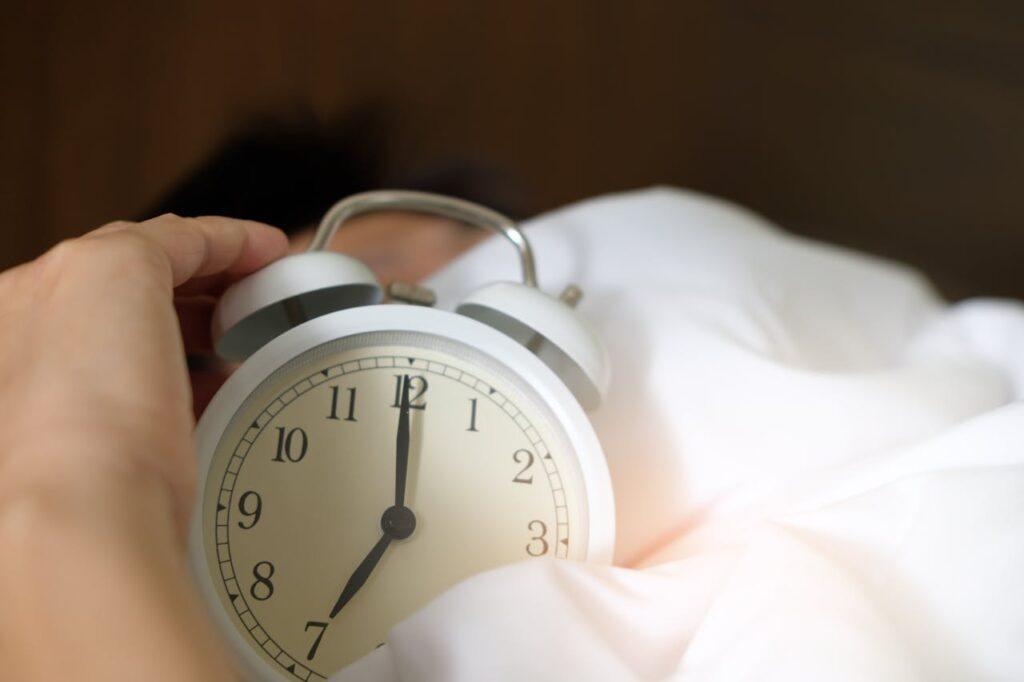
For those chasing a life filled with energy, focus, and creativity, there is no greater foundation than high-quality sleep. It’s the ultimate performance enhancer, yet it remains one of the most consistently underestimated aspects of health.
It is not simply about clocking eight hours; it’s about ensuring that time is truly restorative.
In a world that prizes the hustle, taking the time to design a sanctuary for rest, what scientists call sleep hygiene, is an act of profound self-care.
It details the physical and behavioural adjustments necessary to communicate to the body that it’s time to wind down and enter the deep, healing cycles of sleep.
The Two Pillars of Quality Sleep
Sleep hygiene stands on two essential pillars: environmental optimization (the physical space) and behavioural adjustment (the pre-sleep routine). Both work in concert to regulate the circadian rhythm, the body’s internal 24-hour clock that dictates feelings of sleepiness and wakefulness.
Pillar I: Environmental Optimization
To achieve truly restorative sleep, the bedroom needs to be a dedicated cave: cool, dark, and quiet. These physical conditions directly influence the body’s ability to transition into deep sleep stages.
1. Temperature Control: The Cool Zone
The core body temperature naturally drops in preparation for sleep. To help facilitate this critical drop, the ideal ambient temperature for sleep is surprisingly cool, generally between 18°C and 20°C (65°F and 68°F).
A bedroom that is too warm forces the body to work harder to regulate its temperature, which increases restlessness and reduces the amount of time spent in deep, Non-REM sleep. Conversely, a slightly cooler room promotes the release of melatonin, the hormone that signals sleep, and allows for undisturbed rest.
2. Light Exposure: Darkness is Essential
Light is the single most powerful external cue for regulating the circadian rhythm. Exposure to light, particularly blue light (emitted by screens like phones and laptops), suppresses melatonin production. Even a small amount of light can disrupt sleep cycles.
To optimize the environment:
- Blackout: Heavy curtains or blinds should be used to eliminate all external light sources. Even the tiny glow from a charging cable or a digital clock can be disruptive.
- The Blue Light Rule: All electronic devices (phones, tablets, e-readers) should be ceased at least 60 to 90 minutes before bedtime. If a screen must be used, a blue light filter should be activated.
- Morning Light: Conversely, seeking bright, natural light immediately upon waking effectively resets the clock for the next day.
3. Noise and Comfort: Silence is Golden
The final environmental factor is the elimination of noise and the promotion of physical comfort:
- Minimise Noise: Earplugs or a white noise machine should be used to mask unpredictable sounds (like traffic or neighbours) that can pull one out of deep sleep. White noise provides a steady, non-alarming sound backdrop.
- Mattress and Pillows: Investment in quality bedding that offers proper spinal alignment is crucial. The mattress should be supportive, and the pillow should keep the head level, accommodating one’s sleeping style.
Pillar II: Behavioural Adjustment (The Pre-Sleep Routine)
The period leading up to sleep is just as important as the environment itself. This routine trains the brain to associate certain actions with relaxation, essentially creating a powerful, habitual pattern.
1. The Power of Consistency
The circadian rhythm thrives on predictability. Going to bed and waking up at the same time every day, even on weekends, is the most effective way to strengthen this internal clock.
2. The Unwind Protocol (60 Minutes Before Bed)
This is the designated time to mentally and physically slow down. The goal is to lower the heart rate and shift the brainwaves away from the alert “beta” state:
- Switch Tasks: One should move from high-cognitive activities (work, problem-solving) to calming, passive ones.
- Warm Bath or Shower: The slight increase in body temperature, followed by the rapid cool-down upon exiting, mimics the natural sleep-onset temperature drop, promoting drowsiness.
- Read a Physical Book: Reading for pleasure is highly effective, but the content should not be too engaging (avoiding thrillers or complex non-fiction).
- Gentle Stretching/Meditation: A few minutes of deep breathing or simple stretching can release residual physical tension.
3. Dietary and Substance Adjustments
What is consumed significantly impacts sleep quality:
- Caffeine and Nicotine: Both are powerful stimulants. They should be avoided at least six to eight hours before bedtime.
- Alcohol: While alcohol might help one fall asleep, it severely fragments the second half of the night, reducing the amount of restorative REM (Rapid Eye Movement) sleep. Alcohol should be avoided close to bedtime.
- Heavy Meals: Large, heavy meals should be finished at least two to three hours before lying down. Digestion raises the core temperature and can cause discomfort.
Conclusion: Sleep as an Investment
Viewing sleep hygiene through the lens of science makes one thing clear: optimal rest is not a passive activity; it is a strategic investment.
By making small, consistent adjustments to the environment (making it cool, dark, and quiet) and the routine (making it predictable and calming), one is actively optimizing the brain’s ability to cycle through deep and REM sleep. This, in turn, boosts memory consolidation, emotional regulation, and physical recovery.
For a life lived with purpose and clarity, one should embrace the science of sleep. Design the sanctuary, cultivate the ritual, and watch the quality of one’s waking life improve dramatically.
Image: Photo by Acharaporn Kamornboonyarush: https://www.pexels.com/photo/photo-of-person-holding-alarm-clock-1028741/