
updated 2026
A functional veterinary clinic is essential for delivering high-quality care, improving staff efficiency, and creating a positive experience for pet owners.
Poor layout and disorganized workflows can slow operations, increase stress, and reduce patient outcomes. In this guide, you’ll learn how to design a veterinary clinic that maximizes efficiency, safety, and client satisfaction.
Clinic Layout Planning
The layout of a veterinary clinic forms the foundation of how efficiently it operates. It is not simply about dividing space, but about creating a logical flow that supports daily tasks without unnecessary interruptions. Key areas such as the reception and waiting area, examination rooms, treatment and surgery zones, and storage or staff spaces should be positioned in a way that allows smooth transitions between each stage of care.
When movement between these areas is intuitive and direct, staff can focus on patients rather than navigating obstacles. A well-planned layout reduces delays, prevents overcrowding in key zones, and ensures that both animals and owners experience a more organised and less stressful visit.
Optimizing Workflow Efficiency
Even the best layout can fall short if workflows are not clearly defined. Efficiency in a veterinary clinic depends on how seamlessly patients move from check-in to consultation, treatment, and discharge. When this process is fragmented or inconsistent, it increases waiting times and places unnecessary pressure on staff.
Improving workflow often involves reducing unnecessary movement and standardising procedures across the team. When everyone follows the same structured approach, tasks become more predictable and easier to manage. This consistency not only saves time but also improves the quality of care by reducing the likelihood of errors or miscommunication.
Essential Equipment and Spaces
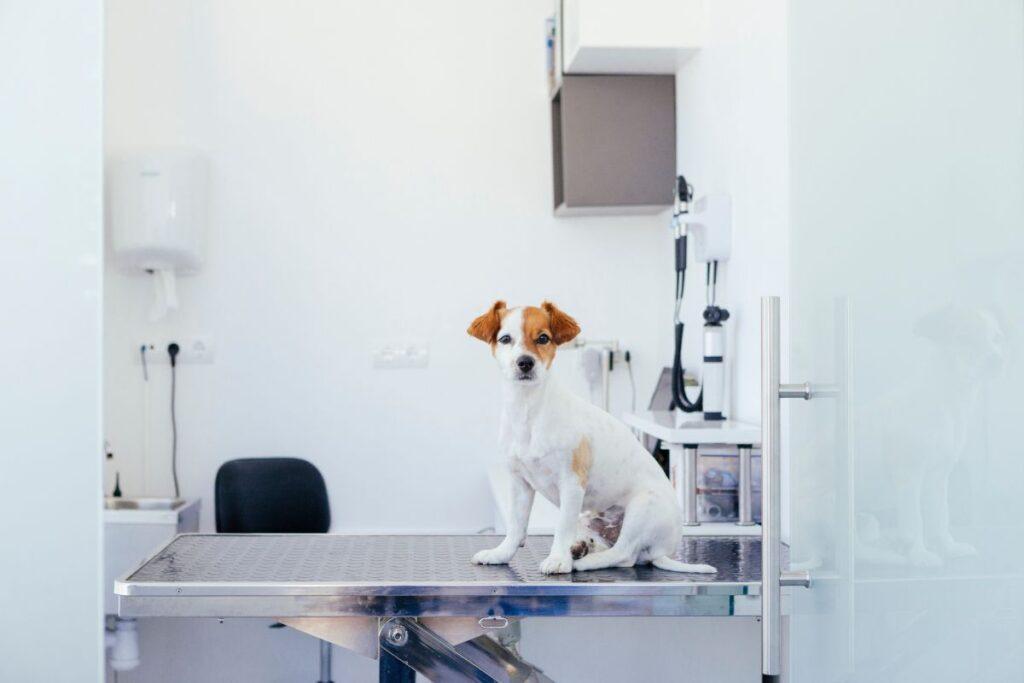
A functional clinic must be equipped to handle both routine and unexpected situations without disruption. Examination tables, diagnostic tools, and surgical equipment should be easily accessible and arranged in a way that supports efficient use. Storage is equally important, as poorly organised supplies can slow down even the most experienced team.
Having specialized equipment like surgical lasers and endoscopes will enable veterinarians to perform complex procedures with precision. Your clinic should have high-quality veterinary scales for accurately weighing animals, essential for proper dosing and treatments.
Dedicated spaces for different types of care help maintain order and clarity. When equipment and materials are placed where they are most frequently needed, it reduces downtime and allows staff to respond more quickly to patient needs.
Hygiene and Safety Standards
Cleanliness is a critical component of any veterinary environment, not only for compliance but for the safety of both animals and staff. Maintaining strict hygiene standards requires more than occasional cleaning, as it depends on consistent routines and clearly defined protocols.
Guidelines from the American Veterinary Medical Association emphasise the importance of sanitation, proper waste disposal, and infection control. Regular cleaning schedules and well-organised waste management systems help minimise risks and create a safer clinical environment. When these practices are integrated into daily operations, they become part of the workflow rather than an added task.
Client Experience Improvements
Functionality should extend beyond internal operations to include the client experience. A well-designed clinic makes visits more comfortable and predictable for pet owners, which can influence their overall perception of care. Waiting areas that feel welcoming, clear communication during appointments, and reduced waiting times all contribute to a more positive experience.
When clients feel informed and at ease, it builds trust and encourages long-term relationships. This aspect of design is often overlooked, yet it plays a significant role in how a clinic is perceived and remembered.
Technology Integration
Modern veterinary clinics increasingly rely on digital tools to improve efficiency and organisation. Practice management software, digital records, and automated appointment systems help streamline administrative tasks and reduce the risk of errors. These systems also make it easier to track patient history and communicate with clients more effectively.
Technology becomes most valuable when it integrates smoothly into existing workflows. Rather than adding complexity, the right tools simplify processes and allow staff to focus more on patient care.
Staff Productivity and Organization
The performance of a veterinary clinic is closely tied to how well the team is supported. Clear roles and responsibilities help prevent confusion, while organised workspaces allow staff to complete tasks more efficiently. Training and standard procedures ensure that everyone is aligned in how work is carried out.
When staff members operate in a structured and supportive environment, productivity improves naturally. This not only benefits the team but also enhances the overall quality of service provided to patients and clients.
Common Mistakes to Avoid
Designing a clinic without considering real-world workflows often leads to inefficiencies that are difficult to correct later. Poor space planning can create congestion, while a lack of proper equipment can limit the clinic’s ability to operate effectively. Ignoring the client experience can also reduce satisfaction, even if the clinical care is strong.
Avoiding these issues requires a balanced approach that considers both operational needs and user experience from the beginning.
FAQ
What makes a veterinary clinic functional?
A functional clinic combines an efficient layout, clear workflows, and the right equipment to support daily operations.
How can I improve clinic efficiency?
Streamlining processes, reducing unnecessary movement, and standardising procedures can significantly improve efficiency.
Is technology important in veterinary clinics?
Yes, digital tools improve organisation, reduce errors, and enhance communication with clients.
How do I design a small vet clinic?
Focus on optimising space by using multi-purpose areas and ensuring that every element supports efficient workflow.
Designing for Long-Term Success
A functional veterinary clinic is not defined by size or appearance, but by how well it supports the people and processes within it. When layout, workflow, and organisation are aligned, the clinic becomes a space where both staff and patients benefit from smoother, more efficient interactions.
Rather than treating design as a one-time task, it is more effective to see it as an ongoing process of refinement. As needs evolve, small adjustments can continue to improve how the space functions. In the long run, a thoughtfully designed clinic does more than improve efficiency. It creates an environment where quality care can consistently thrive.