
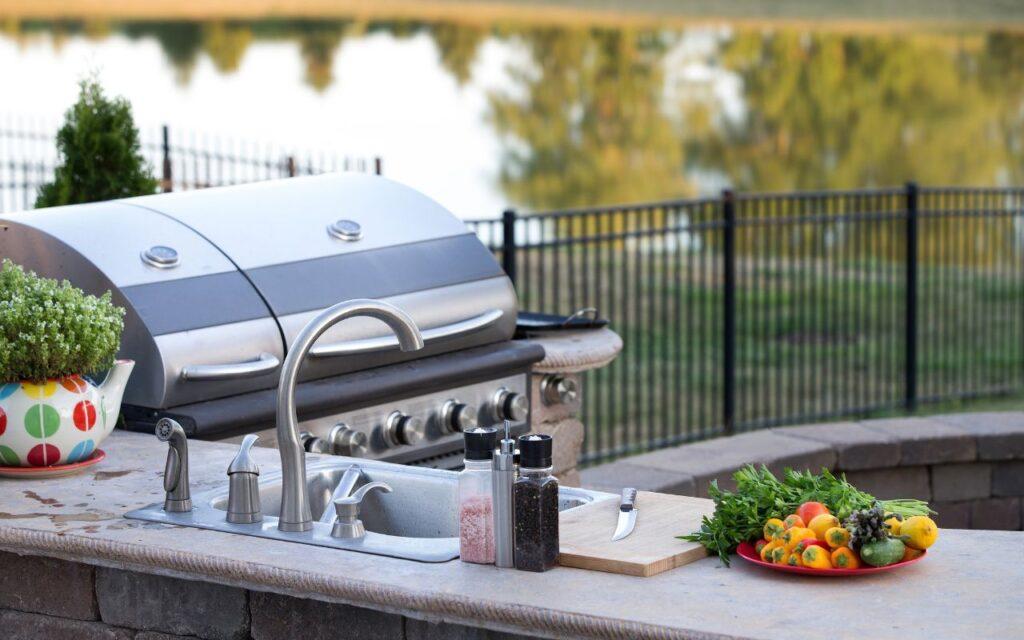
An outdoor kitchen can transform a basic backyard into a comfortable place for cooking, dining, and spending time with family or guests. However, creating a functional space requires more planning than simply installing a grill on the patio. Your kitchen needs to accommodate the way you cook while standing up to changing outdoor conditions.
Thoughtful decisions about location, materials, appliances, and available space can also make the finished area easier to maintain. Reviewing the things to consider when designing your outdoor kitchen before construction begins will help you create an attractive setup that supports convenient cooking and complements your property.
Choose the Right Location
Location influences nearly every part of an outdoor kitchen, from convenience to overall comfort. Start by considering how easily you can move between the indoor kitchen and the outdoor cooking area. Keeping the spaces reasonably close can simplify trips for ingredients, cookware, and other supplies that remain indoors.
At the same time, avoid positioning cooking equipment where smoke will regularly drift through open windows or doors. Consider prevailing breezes and the location of nearby seating areas before deciding where the grill should sit. A thoughtful location can keep cooking smoke away from guests while helping the outdoor kitchen feel connected to the rest of the backyard.
Also consider the surface beneath the kitchen. A stable, level foundation supports heavy counters and appliances while making the area more comfortable to navigate. Planning the foundation early can prevent difficult changes once installation begins.
Plan an Efficient Cooking Layout
An outdoor kitchen should make cooking feel natural rather than forcing you to move repeatedly across the patio. Think about how you typically prepare meals and arrange each work area around that routine. Keep preparation space close enough to the grill that you can transfer food without crossing the entire kitchen.
Counter space deserves particular attention. Even a relatively compact outdoor kitchen benefits from an open surface beside the primary cooking appliance. This area gives you room to set down utensils or prepared food without balancing items on nearby furniture.
Avoid filling every available section with equipment. Leaving enough open workspace can make the kitchen more versatile and comfortable during larger gatherings. Adequate clearance also allows people to move around the cooking area without interfering with the person preparing the meal.
Select a Grill That Matches Your Cooking Style
The grill often serves as the centerpiece of an outdoor kitchen, so choose it according to the way you cook. Size matters, but bigger does not automatically mean better. A grill that fits your typical cooking needs can leave valuable counter space available for food preparation.
Fuel type also affects your cooking experience. When comparing a gas vs. charcoal built-in grill, consider the level of convenience and cooking style you prefer. Gas models offer quick startup and straightforward temperature adjustments, while charcoal grills appeal to cooks who enjoy managing a live fire and its distinctive cooking process.
Remember that a built-in grill becomes part of the kitchen structure. Confirm its dimensions and ventilation requirements before finalizing cabinetry or countertops. Careful planning can prevent costly alterations later.
Use Materials Made for Outdoor Conditions
Outdoor kitchens face environmental exposure that indoor kitchens rarely encounter. Sunlight and moisture can affect surfaces throughout the year, so select materials specifically suited to exterior use. Durable choices can preserve the kitchen’s appearance while reducing maintenance demands.
Pay close attention to countertops because they experience frequent food preparation and exposure to the elements. The material should tolerate your local climate while providing a practical cooking surface. Cabinetry also needs weather-resistant construction to protect anything stored inside.
Consider how each finish will age rather than focusing solely on how it looks when new. Some materials require regular sealing or other upkeep to retain their appearance. Understanding those requirements beforehand helps you choose finishes that fit the amount of maintenance you are willing to perform.
Include Practical Outdoor Storage
Convenient storage reduces the number of trips you need to make inside while cooking. Cabinets can hold grilling tools and outdoor-safe serving pieces, keeping commonly used supplies close to the preparation area. Drawers can also make smaller cooking accessories easier to organize.
Before adding storage everywhere, determine what you genuinely plan to keep outdoors. Items that cannot tolerate temperature changes or humidity may still need indoor storage. Designing cabinets around realistic needs prevents you from sacrificing valuable workspace for compartments you rarely use.
Storage placement matters as well. Keep frequently used equipment near the areas where you need it. This approach makes cooking more efficient and helps keep countertops clear when you prepare larger meals.
Account for Utilities Early
Utilities can significantly affect both the design and construction process. If your kitchen includes a sink, refrigerator, lighting, or gas appliances, determine the necessary connections before installing permanent structures. Making these decisions early allows contractors to coordinate utility placement with the overall layout.
Think carefully about which amenities will provide genuine value. A sink can simplify food preparation, while refrigeration can keep ingredients nearby. However, every additional feature requires space and may increase installation or maintenance needs.
Outdoor electrical components and plumbing also need appropriate protection from the elements. Incorporating those requirements into the initial design helps create a safer and more polished finished space.
Create Comfortable Dining and Seating Areas
Cooking represents only part of the outdoor kitchen experience. The surrounding space should also give family members and guests a comfortable place to eat or socialize. Position seating close enough to encourage conversation without placing people directly beside hot cooking surfaces.
Consider how furniture will fit when people pull out chairs or walk through the area. A layout that looks spacious when furniture is empty can quickly feel cramped once guests arrive. Leaving generous pathways keeps the kitchen welcoming during meals.
Shade can further improve comfort during warm weather. Depending on your yard, an overhead structure or strategically positioned umbrella may help make the space usable during more of the day.
Add Lighting for Evening Use
Outdoor kitchens often remain active after sunset, making lighting an important design consideration. Place task lighting near cooking and preparation surfaces so you can safely see food while working. Softer surrounding illumination can support a comfortable atmosphere in dining areas.
Plan lighting locations before construction whenever possible. Integrating fixtures into structures creates a cleaner appearance than adding temporary solutions after the kitchen is complete. Thoughtful lighting can also extend the amount of time you comfortably use the space.
Design an Outdoor Kitchen That Works for You
A successful outdoor kitchen should reflect your cooking habits and available backyard space rather than simply include every possible feature. Careful planning can help you balance functionality with an appearance that suits your home.
Considering location, equipment, materials, storage, and comfort before construction also reduces the likelihood of inconvenient changes later.
By reviewing the things to consider when designing your outdoor kitchen, you can create a practical cooking area that feels comfortable to use and remains valuable for years.