
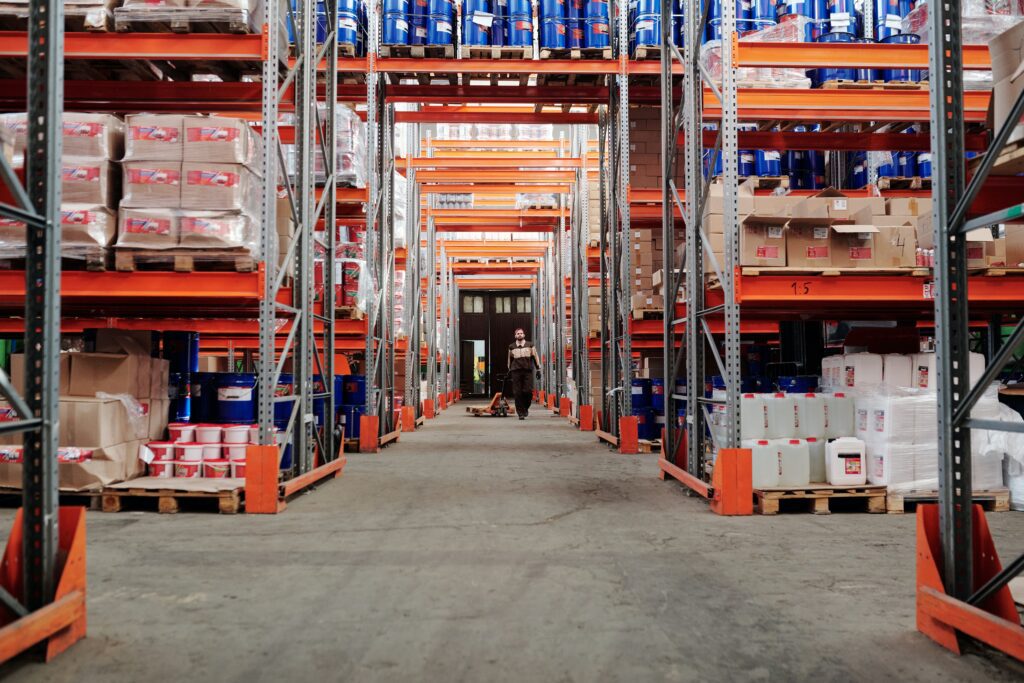
Maintaining a clean and hygienic commercial warehouse is not merely a matter of appearances; it is a fundamental practice for ensuring employee well-being and operational efficiency. The regular cleaning and disinfecting of a warehouse are crucial for mitigating the spread of germs, bacteria, and contaminants that can lead to illnesses and diminish productivity. This guide outlines eight essential tips to help business owners achieve and maintain a pristine and safe warehouse environment.
1. Establish Meticulous Cleaning Routines
Successful warehouse hygiene begins with a clear, predefined schedule. It is imperative for management to create detailed cleaning routines with assigned tasks on a daily, weekly, monthly, seasonal, or annual basis. To ensure no area is overlooked, comprehensive checklists for specific locations such as doorknobs, screens, countertops, and washrooms should be implemented.
2. Invest in High-Quality Cleaning Supplies
The effectiveness of any cleaning effort is directly tied to the quality of its tools. It is vital to invest in high-quality cleaning supplies, including professional-grade mops, sponges, and brushes. Furthermore, the use of appropriate cleaning agents for different surfaces and the provision of adequate protective gear for employees are non-negotiable aspects of a safe cleaning protocol.
3. Educate Employees on Hygiene Standards
Employees represent the first line of defence against contamination in the workplace. All staff should receive thorough education on proper hygiene standards and handwashing techniques. It is an employer’s responsibility to consistently remind employees of these guidelines and to permit them to take necessary breaks if they feel unwell, prioritising health over all else. For more on how to manage a safe and productive team, you may find this post on key hobby mistakes to avoid helpful.
4. Maintain Optimal Air Quality
Compromised air quality within a warehouse can lead to a range of health issues. Regular inspection and maintenance of ventilation systems, such as HVAC units and exhaust fans, are critical. The installation of high-efficiency air filters in high-traffic zones is a strategic measure for purifying the air and protecting the health of everyone in the facility.
5. Ensure Consistent Temperature Regulation
A comfortable and healthy work environment is reliant on stable temperature control. Business owners should invest in thermometers to regularly monitor the warehouse’s temperature. Maintaining an optimal temperature not only contributes to employee comfort but also helps to deter the growth of certain bacteria and moulds.
6. Invest in a Proper Drainage System
Poor drainage is a significant hazard, capable of causing waterlogging and fostering bacterial growth. The installation of a proper, professional-grade drainage system—specifically stainless steel drainage channels—is an essential investment for maintaining a high level of cleanliness and hygiene and preventing accidents.
7. Promote Organisation and Order
A well-organised warehouse is inherently easier to clean and manage. The organisation of items and the systematic storage of equipment and products improve overall operational efficiency. By labelling and storing all goods in a clear, organised manner, companies can significantly reduce clutter and streamline cleaning processes.
8. Implement Regular Pest Control Checks
Unsanitary warehouse conditions are a prime cause of pest infestations. Management should implement a regular schedule for checking for signs of pest activity, such as nests or droppings. Should any evidence of pests be discovered, it is advisable to contact a professional exterminator immediately to address the issue swiftly and effectively.
Following these professional best practices will help business leaders establish and maintain a safe and hygienic environment for all employees, customers, and visitors. A commitment to regular cleaning and professional standards will undoubtedly improve hygiene while concurrently reducing the risks of illness and workplace accidents.