
updated 2026
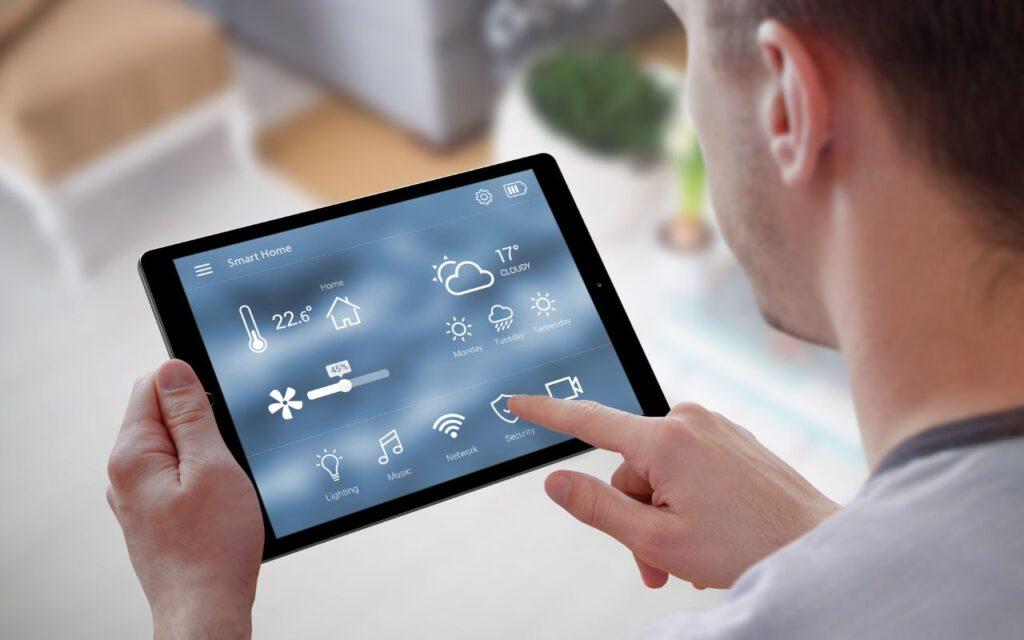
Smart home technology makes it easier than ever to protect your home, monitor activity, and respond to potential threats in real time. From smart cameras to automated locks, modern systems provide convenience and security without complex installations.
In this guide, you’ll learn how to use smart technology to improve home security, reduce risks, and create a safer living environment.
Smart Locks
One of the most valuable improvements in security is the smart lock. Many smart home locks boast features like remote locking and unlocking, keyless entry, and access history. If you think you forgot to lock your door, you can do it from your smartphone a hundred miles away!
Smart Appliances
If you’re looking for a way to make your home safer and your life a lot easier, you may want to invest in some smart appliances. From washing machines that alert you to common issues to refrigerators that let you know if you left the door open, these appliances can help you.
Additionally, smart appliances work to help us stay safe. We have ovens with auto-shut-off features that can reduce fire risks or dishwashers that alert you to any leaks that could result in water damage. Semiconductor chips are important in modern living, and appliance manufacturers put these chips in appliances to help make them more reliable. These chips use electronic signals to detect small changes and alert homeowners to any problems.
Surveillance Systems
Home surveillance technology has come a long way, and it’s one of the best ways to use smart technology to improve home safety. Smart surveillance systems can capture high-definition video and make it easy to check when things aren’t how they should be.
Internal systems can help recognize faces, objects, and even suspicious activities. With features like motion-activated recording, two-way audio, and smartphone app integration, monitoring your home is easier than ever.
Advanced Sensors
Automated sensors make smart home living safer and more comfortable for you. These sensors can do everything from detecting changes in humidity to alerting you to radon or carbon monoxide. You may want sensors to detect changes in the atmosphere for different things, depending on where you live. Regardless, they’re reliable and lifesaving devices.
Through automation, sensors can also be part of a larger, preemptive home safety system by automatically shutting off appliances or alerting emergency services when necessary. In this way, they can potentially avert disaster before it occurs.
Maintaining a safe home doesn’t happen overnight. But by making the right investments, it’s possible. Installing smart devices not only works to improve your quality of life but can also help you sleep soundly at night.
Smart Doorbells
Smart doorbells have quickly become one of the most practical additions to a modern home security setup. While traditional doorbells simply announce a visitor, smart versions allow you to see, hear, and speak to whoever is at your door in real time, even when you are not at home. This added visibility helps you stay aware of activity around your entrance without needing to physically check.
Most smart doorbells include built-in cameras with motion detection, which means you receive alerts whenever someone approaches your door, not just when they ring the bell. This is particularly useful for monitoring deliveries or identifying unexpected visitors. Many systems also store video footage, allowing you to review events later if needed.
Another advantage is the two-way communication feature. Whether you are upstairs, at work, or travelling, you can speak directly to visitors through your smartphone. This can act as a deterrent in certain situations, as it gives the impression that someone is always present. By combining convenience with an added layer of awareness, smart doorbells play a key role in strengthening overall home security.
Building a Safer, Smarter Home
Improving home security is no longer limited to alarms and physical locks. With the rise of smart technology, safety has become more proactive, connected, and responsive to everyday situations. Each device, from locks to sensors and surveillance systems, contributes to a broader network that works together to reduce risk and increase control over your environment.
The real value of these technologies lies in how they integrate into daily life without adding complexity. When your home can alert you to issues, monitor activity, and even prevent potential hazards, security becomes something that happens in the background rather than something you constantly worry about. By choosing the right smart solutions for your needs, you create a home that not only feels safer but actively works to keep you protected over time.